
Written with the help of AI.
Thanksgiving is a time-honoured tradition celebrated with family and friends, involving a feast, gratitude, and togetherness. For individuals with autism and their loved ones, navigating the holiday can present unique challenges, such as sensory overload, changes in routine, and social expectations. By understanding these factors, creating an autism-friendly environment, and involving a supportive network, all your family celebrations can be joyful and inclusive events for all.
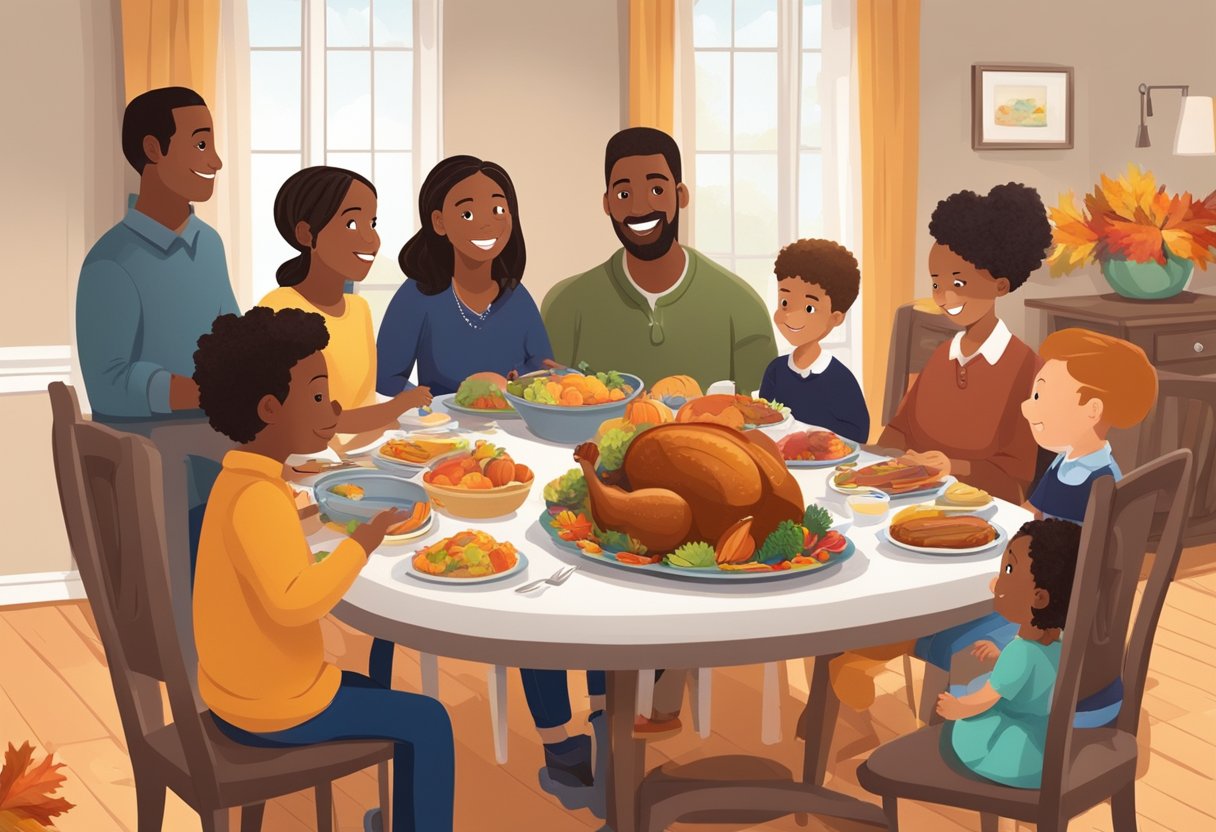
A significant aspect of making Thanksgiving and other family holidays more accessible and enjoyable for autistic individuals lies in comprehending their unique needs and experiences. Those who have autism may experience heightened sensitivity to stimuli, including sounds, smells, and tastes, which can be overwhelming in a typical holiday gathering. Additionally, alterations to their regular schedules may evoke unintended stress or discomfort.
To counter these challenges, it’s crucial to create a supportive and autism-friendly environment during Thanksgiving that acknowledges and accommodates these needs. By working closely with loved ones and collaborating on practical solutions, families can transform their holiday celebrations into cherished moments full of blessings and abundance.
Key Takeaways
- Creating an autism-friendly environment at Thanksgiving, Christmas and other holidays fosters inclusivity and enjoyment for all.
- Understanding the unique needs and sensitivities of autistic individuals is key to navigating the holidays.
- Collaborating with a supportive network can significantly ease holiday challenges and promote a joyful experience.
Understanding Autism
What is Autism Spectrum Disorder
Autism Spectrum Disorder (ASD) is a complex neurological condition that affects the way a person processes information, perceives the world and communicates with others. It is called a “spectrum” disorder because it manifests in many different ways, with varying levels of severity. ASD is typically diagnosed in early childhood, and the signs become more apparent as children grow and interact with their environment.
Affect of Autism on Social Interactions
Children with ASD often experience difficulty in social settings, as they may struggle to understand and interpret social cues, facial expressions, and body language. They may also have trouble making friends, maintaining eye contact, and engaging in conversations. This can lead to feelings of isolation and anxiety for both the child with ASD and their caregivers.
However, many individuals with ASD can develop strong social skills, with proper support and interventions tailored to their specific needs. Parents, teachers, and other professionals can help these children by promoting understanding and acceptance of ASD within the broader community.
Understanding Autism Meltdowns
Autism meltdowns are not tantrums, but rather the result of overwhelming stress, anxiety, sensory overload, or unmet needs. A meltdown can be triggered by a variety of factors, such as sudden changes in routine or unexpected events. They are an emotional and physical reaction to this stress, and often involve a loss of control over emotions and behaviours.
During a meltdown, children with ASD may exhibit behaviours such as crying, yelling, or physical aggression. It’s essential to understand that these actions are not intentional, but rather a response to the overwhelming feelings being experienced. Providing a calm, supportive environment and employing strategies to prevent or address potential triggers can help individuals with ASD reduce the frequency and intensity of meltdowns.
Navigating Thanksgiving with Autism
Pre-Thanksgiving Preparations
To ensure a smooth and enjoyable experience during Thanksgiving (and subsequent holidays), it’s crucial for parents to plan ahead and prepare their child with autism for any changes in their routine. Discussing the new schedule and the upcoming events can help the child understand the differences compared to their regular routine. Providing a visual schedule or social stories can be particularly beneficial for children with autism. For example, thanksgiving themed visuals can help them comprehend what to expect during the day.
Encourage the involvement of a support system, including friends and family members who understand and are comfortable with the child’s needs. This can make it easier for the child to navigate the changes in routine during the holiday.
Navigating Thanksgiving Day
On Thanksgiving Day, it is essential to maintain as much structure as possible while being flexible to any unforeseen situations. Depending on the needs of the child with autism, consider designating a quiet space where they can retreat during overwhelming moments. When attending family gatherings, consider bringing items or activities from home that the child is familiar with, as suggested by Autism Speaks.
During the meal, provide options that cater to the child’s sensory needs and preferences. Keep in mind the possible challenges with social interactions and adjust expectations accordingly. Encourage participation, but respect the child’s limits and allow them to take breaks when needed.
Post-Thanksgiving Analysis
After the Thanksgiving celebrations, it’s essential to assess the child’s progress and overall experience. Review any challenges they might have encountered during the day and develop strategies to address them in future situations. Acknowledge the child’s successes and use this information to inform future planning and preparation.
Ultimately, the key to navigating Thanksgiving with autism is a combination of thorough preparation, maintaining structure, and flexibility. By being proactive and understanding the child’s needs, parents and caregivers can ensure a more enjoyable and autism-friendly Thanksgiving experience.
Creating Autism-Friendly Thanksgiving Environment
Autism-Friendly Activities
One way to ensure an autism-friendly family get-together is to plan activities that cater to the sensory needs and preferences of individuals with autism. Consider incorporating toys and board games designed for those with autism spectrum disorder, and create opportunities for structured play. Additionally, using social stories can help prepare them for unfamiliar or potentially overwhelming situations that may arise during the holiday festivities.
Creating an Autism-Friendly Menu
Creating an autism-friendly menu is another important aspect of planning a Thanksgiving celebration that accommodates everyone’s needs. Traditional dishes like turkey should be included, but also consider the dietary preferences of individuals with autism, who might be picky eaters or have specific textures or flavours they avoid. For example, offering alternatives like velveeta shells and cheese can accommodate different palates. Collaborating with families beforehand can provide valuable insight into preferred foods and any dietary restrictions.
Providing a Safe Space
Thanksgiving celebrations can be loud and chaotic, potentially causing distress for those with autism. Providing a quiet and safe space for individuals to retreat to if they need a break from the festivities is essential for their comfort and well-being. Equip the space with noise-reducing headphones and soothing items like sensory toys or weighted blankets. Ensuring there are designated quiet spaces also allows for a more enjoyable experience for everyone.
Incorporating autism-friendly activities, creating an accommodating menu, and providing a safe and quiet space are all essential components of creating an autism-friendly Thanksgiving environment. By being mindful of the needs and preferences of individuals with autism, hosts can help ensure a more inclusive and enjoyable holiday celebration for everyone involved.
Involving the Support System

Holiday celebrations often involve a lot of planning, especially when family members with autism are involved. One of the keys to a successful holiday gathering is involving the support system, which mainly includes the immediate family and extended family members.
Role of Immediate Family
The immediate family plays a significant role in providing support for an individual with autism. They are the primary source of love and understanding and can have a deep understanding of how best to support their loved ones during special holidays.
In preparation for the celebration, it is important for the immediate family to communicate about their loved one’s needs. They should discuss any potential challenges that might arise, such as sensory sensitivities, dietary restrictions, or difficulties with social interactions. By being proactive and open about these issues, the immediate family can work together to create a comfortable and enjoyable experience for their loved one with autism.
Additionally, immediate family members can help their loved ones with autism participate in Thanksgiving traditions, such as giving thanks or sharing what they are grateful for. Some ideas to facilitate this involvement can be found in this podcast about autism and Thanksgiving.
Understanding the Role of Extended Family
Extended family members, such as in-laws, aunts, uncles, and cousins, also play an important role in creating an autism-friendly Thanksgiving gathering. By educating themselves about autism and being open to adjustments, they can help contribute to a supportive environment.
The immediate family can start by sharing information with the extended family about the specific needs and preferences of their autistic loved ones, and what they can expect during the celebration. Clear communication is key, as it can help minimize misunderstandings and discomfort.
At the event, it is beneficial for extended family members to be patient and flexible. They should try to be understanding if there are any disruptions or changes in plans that may be necessary due to their loved one’s autism. Additionally, they can provide emotional support and encouragement, which can go a long way in making the individual with autism feel included and valued.
In both cases, the support system of immediate and extended family members can be instrumental in helping someone with autism have a positive Thanksgiving experience. By being understanding, communicative, and flexible, everyone can contribute to an enjoyable and inclusive holiday celebration.
Holiday Challenges and Solutions
Managing Disruptive Behavior
Holidays can be particularly challenging for families with children on the autism spectrum. Disruptive behavior might be heightened during this time due to changes in routine, social expectations, and sensory overload. To help manage such behavior, it is essential to plan ahead and implement appropriate strategies.
One approach is to use social stories to illustrate and explain specific social situations that may arise during holidays. This helps the child understand what to expect and reduces anxiety. Furthermore, maintaining clear communication with your child can help set expectations and enable them to express their needs more effectively.
Dealing with Sensory Overload
Many autistic individuals have strong negative reactions to bright lights, loud noises, strong flavors, and smells. The holidays can sometimes feel like a sensory assault, making it crucial to take steps to reduce sensory overload.
One strategy is to bring sensory items, such as headphones or fidget toys, that can help the child self-regulate in overwhelming situations. Monitoring noise levels and providing a designated quiet space for your child to retreat to when needed can also be helpful in managing sensory overload.
Handling Changes in Routine
Daily routines provide structure and predictability for autistic children, making holiday-related changes in routine particularly challenging. To minimize the stress associated with disruptions, it is essential to plan ahead and help your child adjust to the changes in routine.
Creating a visual schedule outlining the events and activities during holiday celebrations can be beneficial. This schedule can be reviewed ahead of time to help familiarize your child with the upcoming events. Scheduling downtime, maintaining familiar routines when possible, and gradually introducing new events or activities can make holiday celebrations more enjoyable for everyone involved.
Conclusion: Blessings and Abundance
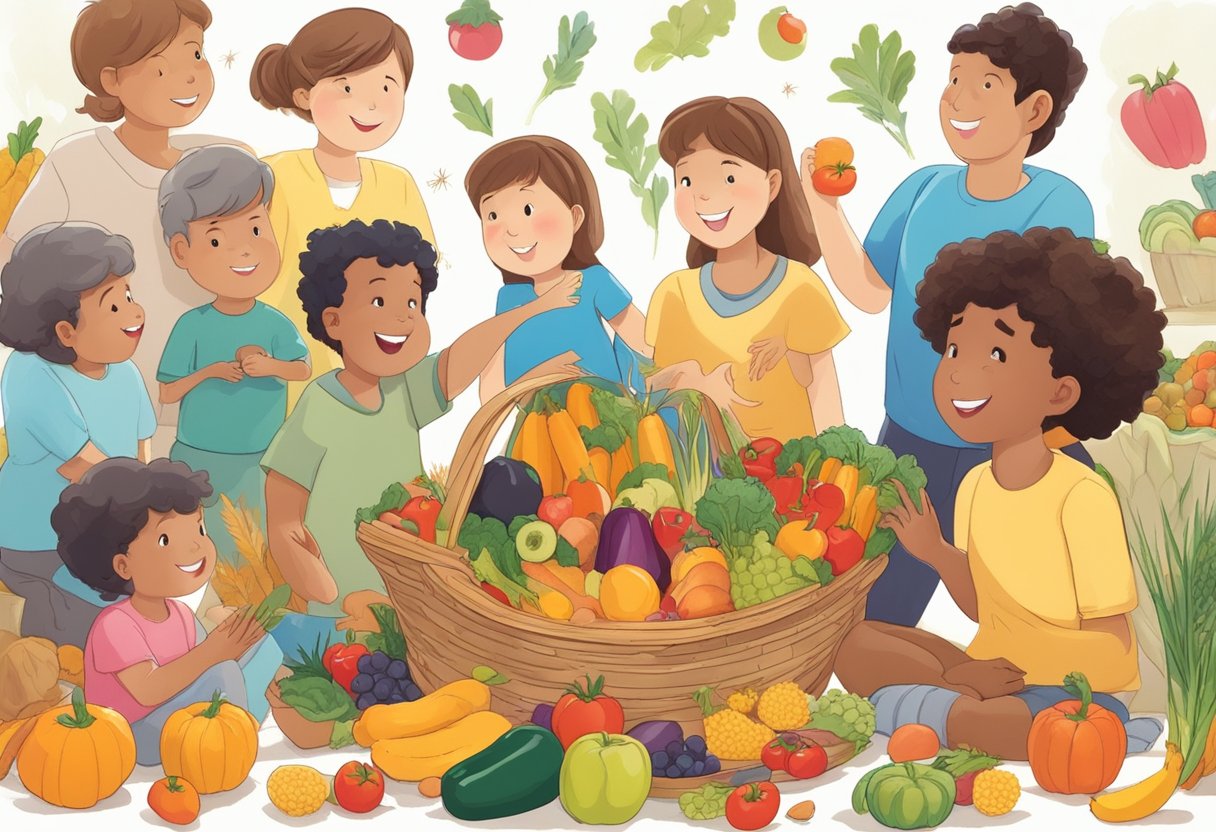
In the spirit of Thanksgiving, it is essential to recognize the blessings and abundance in our lives, especially for those coping with autism or supporting family members with autism. The holiday provides valuable opportunities for families and individuals to appreciate the unique gifts that autistic individuals bring to the table.
The cornucopia is a symbol of abundance and a common sight during Thanksgiving festivities. This overflowing “horn of plenty” serves as a reminder for everyone to be grateful for all the good in their lives. In the context of autism, the cornucopia can represent the strengths and talents often associated with autism spectrum disorder, such as attention to detail, creativity, and persistence.
There is no one-size-fits-all approach to celebrating family holidays, and for families touched by autism, finding ways to adapt and adjust traditional Thanksgiving customs can be an invaluable step toward creating a more inclusive and joyful celebration. By incorporating strategies to manage sensory overload or social challenges, a Thanksgiving meal can become a comfortable space for everyone involved.
In the end, it’s essential to look beyond the challenges that autism may present and focus on the blessings and abundance that autistic individuals contribute to the families and communities around them. Autism can certainly pose its difficulties, but by embracing the unique talents and qualities of those living with autism, we can foster a greater sense of connection, love, and gratitude during Thanksgiving and all year round.
Frequently Asked Questions
How does Thanksgiving and other family celebrations affect autism spectrum individuals?
Thanksgiving can be a challenging time for individuals on the autism spectrum due to sensory overload, changes in routine, and social demands. The large gatherings, new foods, and festivities may cause anxiety and discomfort for some individuals with autism. It is essential to recognize these potential issues and plan accordingly to ensure an enjoyable and inclusive holiday experience for everyone.
What strategies can help autistic children during Thanksgiving and other holiday celebrations?
Strategies to help autistic children during Thanksgiving celebrations include preparing them in advance for the event, creating a visual schedule, offering a quiet space for them to retreat to if needed, familiarizing them with the location and attendees, and involving them in the planning and decision-making process. Additionally, consider incorporating autism-friendly activities and adjusting the environment to minimize sensory overload.
How can we promote understanding of autism during Thanksgiving?
Educating family members and friends about autism can go a long way in promoting understanding during Thanksgiving gatherings. Share information about the individual’s unique needs, triggers, and coping strategies. Encourage communication and empathy by facilitating open conversations about autism and offering resources for those interested in learning more about it.
Which Thanksgiving activities are more suited for people with autism?
Some Thanksgiving activities that may be better suited for people with autism include simple arts and crafts, watching parades or holiday movies, and helping with food preparation or setting the table. These activities can provide structure and familiarity while still allowing for social interaction and holiday fun.
How can families with autistic members adjust their Thanksgiving and other holiday traditions?
Families with autistic members can adjust their Thanksgiving traditions by being flexible and accommodating. This may include modifying the environment to reduce sensory stimuli, simplifying meal plans to accommodate dietary preferences, and incorporating more inclusive, autism-friendly activities. Communication and understanding among family members are critical in creating a supportive and enjoyable holiday experience for everyone.
What resources are available for managing autism during Thanksgiving gatherings and beyond?
There are several resources available for managing autism during Thanksgiving gatherings, such as Autism Speaks and Acorn Health, which provide expert advice and tips for creating an autism-friendly holiday experience. Utilize these resources to gather ideas and develop an individualized plan for your family gathering based on the specific needs and preferences of the autistic individual.
 BellaZinga.Blog
Leave a comment