Category: autism awareness

  • You’re Not Listening to Her: A Medical Advocacy Story

    You’re Not Listening to Her: A Medical Advocacy Story

    This blog is a tag-team effort between me and AI—think of it as my over-caffeinated intern who spits out ideas while I handle the heavy lifting. I research, fact-check, edit, and fine-tune everything to make sure it sounds like me (not a robot with a thesaurus). AI helps with the grunt work, but the heart, style, and final say? That’s all me, baby.

    I want to tell a story about what happened to my daughter and me in the Canadian healthcare system, because I know we’re not alone. I’ve changed all the names for anonymity, but the story is, sadly, all too real.

    The Pediatrician We Trusted…At First

    Years ago, I was referred to a pediatrician for my daughter Ava. At the time, she was around six and suffering from chronic stomach pain, constipation, recurring croup, and constant anxiety related to school. 

    She had nightmares, meltdowns, and was being ostracized and bullied. I knew something deeper was going on. I didn’t have the words “autism” or “ADHD” yet, but my mom gut told me she was different—and struggling.

    Our pediatrician—we’ll call him Dr. McLecturepants—was very knowledgeable. Ava liked him. He was good at addressing her physical health issues. He took things seriously, referred us to specialists, and was often thorough. 

    But there were red flags. 

    Dismissed, Doubted, and Lectured

    Early on, I was struggling to get Ava to take medication. What I now know is ARFID, sensory aversion, and autistic rigidity was, back then, just a nightmare every time I had to administer meds. 

    Meltdowns, sobbing, trauma for both of us. 

    When I asked for help, he didn’t offer compassion. He gave me a five-minute lecture on how I needed to “take control” and “stop letting her run the show.” It was humiliating. I left feeling like a failure.

    From then on, I was nervous around him. I often wondered, would he speak to me this way if a man were in the room? I was a single mom. White. Tired. Not wealthy. He was a male doctor with a strong accent—possibly Middle Eastern—and although I didn’t want to bring culture or bias into it, I couldn’t ignore the power dynamic. 

    I wrestled with myself for even thinking that cultural background might play a role — not because I wanted to stereotype him, but because I’ve lived long enough to know that gender dynamics can be shaped by upbringing, culture, and society. Still, I sat with the discomfort of that thought and tried to focus on what I knew: I felt talked down to, and I didn’t feel respected.”

    I felt small. 

    Like I was being treated as a hysterical mom, not a capable one.

    Homeschooling: The Best Decision We Made

    When school became unbearable for my daughter, I started researching homeschooling options. It wasn’t a knee-jerk decision. I consulted experts (including a clinical psychologist), read studies, and made spreadsheets. I also began compiling information about ADHD and neurodivergence, trying to be prepared to make my case.

    Dr. McLecturepants dismissed homeschooling outright. Didn’t want to hear about the trauma Ava was experiencing. Didn’t care that her nightmares and pain disappeared within two weeks of being pulled from school. 

    He continued to disapprove, even when I brought up ADHD. That, at least, he was more receptive to, but the lectures didn’t stop. I kept going back because he was knowledgeable about ADHD, and I thought I needed that.

    Rather, I thought my daughter needed that, and I should just shut up and deal.

    The Diagnosis Battle

    But when I brought up autism? He shut it down. Said she couldn’t be autistic because she made eye contact. (Yes, really. Hello, 1955 called and they want their scrubs back)

    Eventually, I demanded a referral. I gave him research. I asked for a specific autism specialist recommended by a trusted friend. 

    McLecturepants reluctantly referred us, but warned me the doctor “diagnosed everyone” and other professionals didn’t like him. I couldn’t believe he was dragging me into some petty professional rivalry when my daughter’s health was on the line.

    The diagnosing doctor met with my daughter, gave a comprehensive evaluation, and said, “Yes. She’s autistic.” 

    I went through ALL the feelings that day—IYKYK—but one of the ones I never expected to feel was validation. Someone else finally listened to me and I wasn’t crazy, which is what my pediatrician had been making me feel like. 

    The specialist did say kiddo might not have ADHD, but I trusted my gut—because comorbidity is common, and I’d done the reading. I was more worried that McLecturepants would react poorly when he read the report, particularly the part about the specialist disagreeing with his diagnosis. 

    It’s not fun to feel you’re caught in a pissing match between two health “professionals,” which only magnified my feelings of “walking on eggshells” with McLecturepants.

    The Funding Form Fiasco

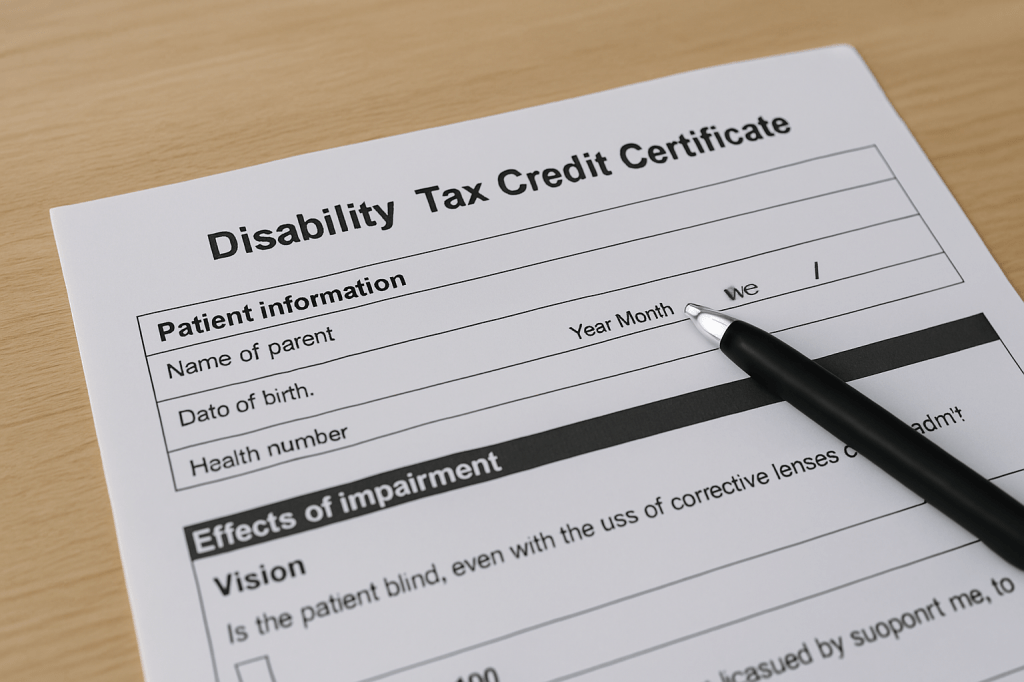
    Fast forward. The Disability Tax Credit needed renewing. We’d been working with a phenomenal ASD counsellor who’d seen Ava regularly and knew the extent of her challenges. The DTC forms went to Dr. McLecturepants. I was told it would take months to fill them out.

    I got emotional. After all, it was our only funding, given we’ve been on waiting lists for years with the Ontario Autism Program and Special Services at Home. (I’m looking directly at you, Doug Ford).

    McLecturepants ended up filling them out quickly over the holidays, which I appreciated—until I read them. He’d minimized kiddo’s struggles. Downplayed how much support she needs. Even checked the box saying her deficits would likely improve over time—as if autism isn’t a lifelong neurotype.

    When I first read what the pediatrician had written, I questioned everything about my reality. Maybe it wasn’t that bad? Maybe I was exaggerating, and making too much out of our struggles. Maybe there was something wrong with ME that I couldn’t handle the extra work required for my daughter?

    Thankfully our counsellor, who at this point had been visiting with my daughter and I for over a year, twice monthly for an hour at a time, also expressed her shock and surprise at how inaccurately Dr. McLecturepants had characterized our daily struggles.

    I was heartbroken. I drafted a letter—respectful, clear, and shared with our counsellor and friends for feedback. After all, I didn’t want to provoke another lecture. I didn’t want to make things worse, or insult our pediatrician’s professionalism, or god forbid, challenge him or hurt his ego.

    I brought in observations from myself, her grandparents, coaches, teachers—any adult in Ava’s life. I asked him to reconsider.

    He refused. Told his receptionist he wouldn’t change it. So I made an appointment. 

    Enough is Enough

    This time, the gloves were off, and I knew the advocate (me) needed an advocate.

    So I brought my mom—who never takes my side in these things; after all, I’m too outspoken, too sensitive, too…(you get the drift).

    But this time she came, because I needed backup. It meant so much to me that she did that, even though I could see she didn’t believe it was as bad as I said it was.

    When we tried to explain, he talked over us. 

    Not once, not twice. 

    Repeatedly. 

    McLecturepants wouldn’t acknowledge the fact that we might have a better understanding of the difficulties my daughter has every day. My mom—stoic, practical, no-nonsense—who never speaks up and hates confrontation, actually shouted: “You’re not listening to her!” after he cut me off yet again.

    That’s when I stood up and said: “We’re done. You’ve lectured me for years. Dismissed me. Put me in the middle of conflicts with other doctors. I believe you’ve treated me differently because I’m a woman, and I don’t feel safe bringing my daughter here anymore.”

    We left.

    One Final Violation 

    I picked up kiddo’s files a week later. On my way to our counsellor’s office, I noticed something strange. Mixed into Ava’s files were records for another child. Operations, procedures—stuff my daughter had never had. A huge privacy breach. I returned them immediately, because that’s what I’d want another parent to do if it were my child’s info. 

    But wow. 

    Just wow. 

    This from the office of a doctor who’d been lecturing me for years about MY incompetence as a mom?

    Blacklisted for Speaking Up

    We’ve been seeing our GP ever since. Lately, I’ve been researching other possible underlying conditions—things like hypermobility, POTS, immune dysfunction—and brought them up with our GP, who was amazing and agreed to help. He referred us to another pediatrician in our town.

    I didn’t realize this pediatrician was at the same office as Dr. McLecturepants. You can imagine the surprise when their office called to schedule the appointment. Still, I knew I would have a longer wait for a pediatrician from other, larger centers, so I agreed to the appointment.

    Why would I go back?

    If you’ve ever had a sick child, you’ll understand that all you care about is making their quality of life better.

    And then, today, after picking up my daughter from school, a call came in from our GP’s office, which I took over our hands free, thinking it was about my upcoming blood tests. 

    We’d been rejected. Well, technically the word they used is, he has “declined.”

    The new doctor wouldn’t take us as patients because of my “issue” with the previous pediatrician. And my daughter heard every word of that rejection.

    The message was clear: they stick together.

    This is what it’s like to advocate for a neurodivergent child in the medical system as a single mom.

    No one’s listening.


    Backing it Up: What the Research Says

    Sexism in the Medical Profession:

    • A 2022 study published on “Women’s Experiences of Health-Related Communicative Disenfranchisement,” found that women are more likely to report feeling dismissed, not believed, or condescended to by medical professionals.
    • Female patients, especially mothers, often get labeled as “anxious” or “overreacting” when advocating for their children, leading to delayed diagnoses and interventions.

    Bias Against Single Mothers:

    • Single mothers are statistically more likely to be perceived as less competent parents by both professionals and the public.
    • These biases can lead to increased scrutiny, less support, and more judgment in medical and educational settings.

    Challenges of Advocating for Autistic Children:

    • Parents often report having to fight for recognition of their child’s needs, with many diagnoses being delayed due to outdated stereotypes like “they make eye contact.”
    • Autistic girls and children with Level 1 Autism (formerly known as Asperger’s) are often underdiagnosed due to masking and lack of understanding by professionals. 

    Privacy and Confidentiality in Canada (PHIPA):

    • The Personal Health Information Protection Act (PHIPA) mandates that healthcare providers protect the confidentiality of all patient information.
    • Sharing or misfiling another child’s medical information, even accidentally, is a breach under this act and can be reported to the Information and Privacy Commissioner of Ontario.

    Medical Ethics & Gatekeeping:

    • Physicians are ethically bound to advocate for patient welfare and make decisions free from personal bias or inter-professional politics.
    • Refusing care to a child based on a parent’s disagreement with another doctor raises serious ethical concerns about bias, access to care, and professional conduct.

    Why Parents Shouldn’t Be Penalized for Speaking Up:

    • Advocacy is not aggression. Speaking up about misdiagnosis, misrepresentation, or mistreatment should never result in being blacklisted.
    • Punishing parents for advocating silences necessary voices and puts children’s care at risk.

    This is my story. It’s also the story of so many parents out there who’ve been dismissed, condescended to, or penalized for doing what they’re supposed to do: protect and advocate for their child.

    We shouldn’t have to shout to be heard. But sometimes we do. And when we do? We deserve to be listened to.

    April is World Autism month. Do your part. Speak up. Advocate. Scream. Pound your fists. Or better yet, write a blog and call the assholes out.

  • Hypermobility, Autonomic Disorders, and Autism: Unraveling the Connections

    Hypermobility, Autonomic Disorders, and Autism: Unraveling the Connections

    AI lends a hand in drafting parts of this article, but I do the heavy lifting—researching, editing, and ensuring the message is clear, accurate, and aligned with my vision. Think of AI as my brainstorming buddy, but the final say (and human touch) is all mine.

    Ever heard of hypermobility, autonomic disorders, or autism? They might seem like totally different things, but guess what? They’re actually connected! It’s like a puzzle where these conditions often fit together.

    Think of it this way:

    • Lots of people with autism also have hypermobility (that’s when your joints bend more than usual).
    • And sometimes, people with hypermobility also have autonomic disorders (that’s when your body’s automatic systems like heart rate and digestion don’t work properly).

    So, what does this all mean? It means that understanding how these conditions relate to each other can help us find better ways to support people who experience them.

    Understanding Hypermobility

    Hypermobility is when your joints can move way past the normal range—think of it as being super flexible. This happens because the connective tissue that holds your joints together is different, usually looser, or weaker, or both.

    Definitions and Types

    Joint hypermobility means your joints can move past the usual range—sometimes way past it. For some people, it’s just how their body is built, but for others, it’s linked to genetic conditions like Ehlers-Danlos Syndrome (EDS). There are a few different types of EDS, but the most common one is Hypermobile Ehlers-Danlos Syndrome (hEDS).

    When multiple joints are extra bendy, it’s called generalized joint hypermobility. One common way to check for it is the Beighton score, a quick test that looks at how far you can bend things like your fingers, elbows, or knees. If you’ve ever been told you’re “double-jointed,” this might be why!

    Recognizing Symptoms

    So, you’re probably asking yourself, “how do I know if my kind of ‘bendiness’ is normal?” Well, if it’s more than just being bendy—like if you’re dealing with joint pain, frequent dislocations, or other weird body quirks—it might be worth looking into. You may have Joint Hypermobility Syndrome (JHS).

    And it’s not just about your joints. Some people with hypermobility also have super soft or stretchy skin, plus fun extras like digestive issues and fatigue (because why stop at just one challenge, right?). Spotting these symptoms early can help you get ahead of things and manage them better.

    Diagnosis of Joint Hypermobility Syndrome

    Getting diagnosed with JHS isn’t just about being extra bendy—your doctor will look at your medical history, do a physical exam, and probably check your Beighton score (yep, that test we mentioned earlier).

    But let’s be real—you might have to push for more thorough testing. As we’ve already stressed, hypermobility can be linked to other conditions, like EDS, which sometimes requires genetic testing to confirm. For example, the TNXB gene is one that might get checked to help understand the genetic side of EDS.

    Getting the right diagnosis is a game-changer—it helps you manage symptoms better and avoid potential complications down the road.

    Understanding Autonomic Disorders

    Just when you things weren’t complicated enough, we’re going to throw autonomic disorders into the mix. I know, I know! But stay with me, I promise I’m going somewhere with this.

    Autonomic disorders mess with the part of your nervous system that handles all the behind-the-scenes stuff—like keeping your heart beating and your digestion running smoothly—without you even thinking about it. When things go wrong, it can lead to symptoms like dizziness, chronic fatigue, and stomach issues. And if you throw hypermobility into the mix? Those problems can hit even harder.

    Introduction to Autonomic Dysfunction

    Autonomic dysfunction happens when your autonomic nervous system—aka the body’s autopilot—doesn’t do its job properly. This system handles all the stuff you don’t have to think about, like breathing, keeping your heart beating, and digesting food. When it’s out of whack, you can end up dealing with dizziness, insomnia, and some seriously annoying digestive issues.

    Chronic fatigue is another common symptom of autonomic dysfunction, often leaving you feeling tired no matter how much you rest. These symptoms can seriously affect your day-to-day life, making it hard to focus at school or work and impacting your social life. Learning to manage these symptoms often involves both medical treatments and lifestyle changes.

    Co-occurrence with Hypermobility

    Hypermobility—aka super flexible joints—often goes hand in hand with autonomic disorders. If you’ve got both, you might notice overlapping symptoms like dizziness and fatigue, which can make it feel like your whole body is out of sync.

    Digestive issues, like constipation or IBS, are also pretty common with both conditions, adding another layer of discomfort to everyday life. The more you understand the connection between hypermobility and autonomic dysfunction, the better you can find treatments that tackle both at the same time.

    Managing it all usually takes a mix of medication, physical therapy, and lifestyle tweaks to help you feel more in control and improve your quality of life.

    Hypermobility and Autism Connection

    Hypermobility and autism tend to go hand in hand, and it’s not just a coincidence. There are a lot of overlapping traits—like sensory sensitivities, certain behaviors, and unique ways the brain processes things. Knowing how they connect can make everyday life a little easier and help set realistic, supportive goals that actually work for you.

    Common Traits and Co-occurrence

    Hypermobility shows up a lot in autistic people—some studies say up to 80% might have it. Both come with similar traits, like heightened sensory awareness and unique reactions to the world around them. Basically, they overlap in ways that can shape how someone experiences daily life.

    Anxiety and depression are also pretty common in this group, likely because of all that extra sensory input and cognitive overload. If you’ve got both hypermobility and autism, everyday tasks can feel even more overwhelming, cranking up stress and sensory overload. But figuring out ways to manage these shared traits can make a huge difference in feeling more comfortable and in control.

    Implications for Daily Life and Development

    Living with both hypermobility and autism comes with some unique challenges that can impact daily life. Here’s how:

    • Physical difficulties – Joint instability can make movement tough, leading to issues with balance and coordination. This can make sports or even basic activities harder and might require customized physical support.
    • Developmental impact – Learning environments can be tricky, with some kids needing specific strategies to help with focus, motor skills, or sensory processing.
    • Additional health challenges – Conditions like eating disorders or epilepsy sometimes show up alongside hypermobility and autism, adding extra layers of difficulty to daily routines.
    • Personalized support is key – Tailored approaches—whether through therapy, accommodations, or understanding caregivers—can make all the difference in creating a supportive, functional environment.

    Figuring out what works best for you can help make life more manageable and improve overall well-being.

    Management and Support for Hypermobility and Associated Conditions

    Managing hypermobility usually takes a mix of therapies, mental health support, and lifestyle adjustments. Each piece plays a big role in making daily life easier and keeping symptoms in check.

    Therapies and Rehabilitation

    • Physical therapy is a game-changer when it comes to improving motor control and core strength. A good therapist will tailor exercises to help strengthen the muscles around your hypermobile joints, which can make a huge difference in posture and reducing chronic pain.
    • Occupational therapy is all about making daily life easier. It can teach you energy-saving techniques to help manage fatigue and keep you from burning out so quickly. Plus, regular exercises can improve proprioception (aka your body’s ability to know where it is in space), which helps reduce injuries and those frustrating missteps.
    • Talking to rehab specialists can also help you find solid pain management strategies—because dealing with discomfort every day is exhausting, and having the right techniques can make all the difference.

    Navigating Psychological Aspects

    Hypermobility and anxiety tend to go hand in hand, and dealing with both can be a lot. Recognizing the emotional toll is just as important as managing the physical side of things.

    • Therapy and support groups: Talking to a therapist who understands anxiety (and how it connects to hypermobility) can be a game-changer. Support groups can also help, especially if you’ve ever felt left out or misunderstood because of your symptoms.
    • Mindfulness and stress relief: Practices like meditation, deep breathing, or gentle movement (like yoga) can help with relaxation and keep stress levels in check.
    • Open communication: Being upfront with your therapist about what’s working (and what’s not) can help them tailor strategies that actually fit your life.
    • A solid support system: Surrounding yourself with understanding family, friends, or even an online community can make all the difference. Having people who get it and encourage you can help you navigate the tough days.

    Emotional health is just as important as physical health, and finding the right mix of coping strategies, support, and self-care can make everything feel a little more manageable.

    Lifestyle Modifications and Support Systems

    Making small lifestyle tweaks can have a huge impact on how you feel day to day.

    • Fuel your body right: Eating a balanced diet can help support your overall health (because let’s be real, running on caffeine and vibes only gets you so far).
    • Listen to your body: If fatigue is hitting hard, pacing yourself and scheduling rest breaks can keep you from crashing and burning.
    • Know your history: If joint hypermobility syndrome (JHS) runs in your family, being aware of it early can help you get ahead of potential issues.
    • Build your support squad: Whether it’s doctors, therapists, family, or friends, having people who get it makes all the difference. Surround yourself with folks who support you, not ones who tell you to “just stretch more” (because, yeah… that’s not the problem).

    The key is finding what works for you—a mix of nutrition, pacing, knowledge, and support that helps you feel as good as possible while managing hypermobility.

    Frequently Asked Questions

    The connection between hypermobility, autonomic disorders, and autism is complicated—like trying to untangle a bunch of charging cables from the bottom of your bag. This section dives into how these conditions overlap, affect each other, and what current research has to say about it. Spoiler: It’s all connected in ways we’re just beginning to understand.

    What’s the connection between joint hypermobility and autistic traits?

    Researchers have picked up on a connection between joint hypermobility and autism. Some studies suggest shared genetic factors might be at play, but there’s still a lot we don’t know. More research is needed to fully untangle how these two conditions are linked—but the connection is definitely there.

    Can autism impact your body’s autonomic functions?

    Yep, autism can absolutely affect autonomic functions. Some autistic individuals deal with things like orthostatic intolerance—which basically means their body struggles to regulate blood pressure and heart rate when they stand up. It’s like their nervous system didn’t get the memo on how to adjust properly, which can lead to dizziness, lightheadedness, or even feeling like they might pass out.

    Are folks with autism more likely to have hypermobile joints?

    People with autism are more likely to have hypermobile joints, though science hasn’t fully figured out why yet. The leading theory? Genetics. There’s a good chance that both conditions share some genetic factors, but researchers are still working on connecting all the dots.

    How might hypermobility affect behaviour in people with autism?

    Hypermobility can come with a side of pain and discomfort, and for autistic individuals, that can have a big impact on behavior and emotions. When your body hurts, it’s no surprise that anxiety and stress can ramp up, making everyday tasks and social interactions even more challenging. It’s not just about being extra flexible—it’s about how those physical challenges affect everything else in daily life.

    What are the sensory issues linked to hypermobility in those on the autism spectrum?

    Sensory issues are a big deal for people with both hypermobility and autism. Things like touch, sound, or light can feel way more intense than they do for others, making certain environments totally overwhelming. This is why having coping strategies—like noise-canceling headphones, dim lighting, or comfy clothing—can make a world of difference in navigating daily life.

    Wrapping It All Up: Understanding, Managing, and Advocating

    So, what’s the takeaway from all of this? Hypermobility, autonomic disorders, and autism are deeply connected, and understanding these links can make a huge difference in how we manage them. Whether it’s pain, fatigue, sensory challenges, or anxiety, recognizing how these conditions overlap helps in finding better support, treatment, and strategies for everyday life.

    Managing these conditions isn’t just about doctor visits and therapy (though those help!); it’s also about self-advocacy, pacing yourself, and building a strong support network. And let’s be real—sometimes, just knowing you’re not alone in this can be a game-changer.

    If you’re looking for ways to advocate for neurodiversity and celebrate the unique ways our minds and bodies work, check out BellaZinga! Our store is all about spreading awareness, embracing differences, and celebrating neurodivergence with fun, meaningful designs. Because at the end of the day, the more we understand, support, and uplift each other, the better life gets for all of us.

    Let’s keep the conversation going—because neurodiversity deserves to be seen, heard, and celebrated! 💜