Category: homeschooling

  • You’re Not Listening to Her: A Medical Advocacy Story

    You’re Not Listening to Her: A Medical Advocacy Story

    This blog is a tag-team effort between me and AI—think of it as my over-caffeinated intern who spits out ideas while I handle the heavy lifting. I research, fact-check, edit, and fine-tune everything to make sure it sounds like me (not a robot with a thesaurus). AI helps with the grunt work, but the heart, style, and final say? That’s all me, baby.

    I want to tell a story about what happened to my daughter and me in the Canadian healthcare system, because I know we’re not alone. I’ve changed all the names for anonymity, but the story is, sadly, all too real.

    The Pediatrician We Trusted…At First

    Years ago, I was referred to a pediatrician for my daughter Ava. At the time, she was around six and suffering from chronic stomach pain, constipation, recurring croup, and constant anxiety related to school. 

    She had nightmares, meltdowns, and was being ostracized and bullied. I knew something deeper was going on. I didn’t have the words “autism” or “ADHD” yet, but my mom gut told me she was different—and struggling.

    Our pediatrician—we’ll call him Dr. McLecturepants—was very knowledgeable. Ava liked him. He was good at addressing her physical health issues. He took things seriously, referred us to specialists, and was often thorough. 

    But there were red flags. 

    Dismissed, Doubted, and Lectured

    Early on, I was struggling to get Ava to take medication. What I now know is ARFID, sensory aversion, and autistic rigidity was, back then, just a nightmare every time I had to administer meds. 

    Meltdowns, sobbing, trauma for both of us. 

    When I asked for help, he didn’t offer compassion. He gave me a five-minute lecture on how I needed to “take control” and “stop letting her run the show.” It was humiliating. I left feeling like a failure.

    From then on, I was nervous around him. I often wondered, would he speak to me this way if a man were in the room? I was a single mom. White. Tired. Not wealthy. He was a male doctor with a strong accent—possibly Middle Eastern—and although I didn’t want to bring culture or bias into it, I couldn’t ignore the power dynamic. 

    I wrestled with myself for even thinking that cultural background might play a role — not because I wanted to stereotype him, but because I’ve lived long enough to know that gender dynamics can be shaped by upbringing, culture, and society. Still, I sat with the discomfort of that thought and tried to focus on what I knew: I felt talked down to, and I didn’t feel respected.”

    I felt small. 

    Like I was being treated as a hysterical mom, not a capable one.

    Homeschooling: The Best Decision We Made

    When school became unbearable for my daughter, I started researching homeschooling options. It wasn’t a knee-jerk decision. I consulted experts (including a clinical psychologist), read studies, and made spreadsheets. I also began compiling information about ADHD and neurodivergence, trying to be prepared to make my case.

    Dr. McLecturepants dismissed homeschooling outright. Didn’t want to hear about the trauma Ava was experiencing. Didn’t care that her nightmares and pain disappeared within two weeks of being pulled from school. 

    He continued to disapprove, even when I brought up ADHD. That, at least, he was more receptive to, but the lectures didn’t stop. I kept going back because he was knowledgeable about ADHD, and I thought I needed that.

    Rather, I thought my daughter needed that, and I should just shut up and deal.

    The Diagnosis Battle

    But when I brought up autism? He shut it down. Said she couldn’t be autistic because she made eye contact. (Yes, really. Hello, 1955 called and they want their scrubs back)

    Eventually, I demanded a referral. I gave him research. I asked for a specific autism specialist recommended by a trusted friend. 

    McLecturepants reluctantly referred us, but warned me the doctor “diagnosed everyone” and other professionals didn’t like him. I couldn’t believe he was dragging me into some petty professional rivalry when my daughter’s health was on the line.

    The diagnosing doctor met with my daughter, gave a comprehensive evaluation, and said, “Yes. She’s autistic.” 

    I went through ALL the feelings that day—IYKYK—but one of the ones I never expected to feel was validation. Someone else finally listened to me and I wasn’t crazy, which is what my pediatrician had been making me feel like. 

    The specialist did say kiddo might not have ADHD, but I trusted my gut—because comorbidity is common, and I’d done the reading. I was more worried that McLecturepants would react poorly when he read the report, particularly the part about the specialist disagreeing with his diagnosis. 

    It’s not fun to feel you’re caught in a pissing match between two health “professionals,” which only magnified my feelings of “walking on eggshells” with McLecturepants.

    The Funding Form Fiasco

    Fast forward. The Disability Tax Credit needed renewing. We’d been working with a phenomenal ASD counsellor who’d seen Ava regularly and knew the extent of her challenges. The DTC forms went to Dr. McLecturepants. I was told it would take months to fill them out.

    I got emotional. After all, it was our only funding, given we’ve been on waiting lists for years with the Ontario Autism Program and Special Services at Home. (I’m looking directly at you, Doug Ford).

    McLecturepants ended up filling them out quickly over the holidays, which I appreciated—until I read them. He’d minimized kiddo’s struggles. Downplayed how much support she needs. Even checked the box saying her deficits would likely improve over time—as if autism isn’t a lifelong neurotype.

    When I first read what the pediatrician had written, I questioned everything about my reality. Maybe it wasn’t that bad? Maybe I was exaggerating, and making too much out of our struggles. Maybe there was something wrong with ME that I couldn’t handle the extra work required for my daughter?

    Thankfully our counsellor, who at this point had been visiting with my daughter and I for over a year, twice monthly for an hour at a time, also expressed her shock and surprise at how inaccurately Dr. McLecturepants had characterized our daily struggles.

    I was heartbroken. I drafted a letter—respectful, clear, and shared with our counsellor and friends for feedback. After all, I didn’t want to provoke another lecture. I didn’t want to make things worse, or insult our pediatrician’s professionalism, or god forbid, challenge him or hurt his ego.

    I brought in observations from myself, her grandparents, coaches, teachers—any adult in Ava’s life. I asked him to reconsider.

    He refused. Told his receptionist he wouldn’t change it. So I made an appointment. 

    Enough is Enough

    This time, the gloves were off, and I knew the advocate (me) needed an advocate.

    So I brought my mom—who never takes my side in these things; after all, I’m too outspoken, too sensitive, too…(you get the drift).

    But this time she came, because I needed backup. It meant so much to me that she did that, even though I could see she didn’t believe it was as bad as I said it was.

    When we tried to explain, he talked over us. 

    Not once, not twice. 

    Repeatedly. 

    McLecturepants wouldn’t acknowledge the fact that we might have a better understanding of the difficulties my daughter has every day. My mom—stoic, practical, no-nonsense—who never speaks up and hates confrontation, actually shouted: “You’re not listening to her!” after he cut me off yet again.

    That’s when I stood up and said: “We’re done. You’ve lectured me for years. Dismissed me. Put me in the middle of conflicts with other doctors. I believe you’ve treated me differently because I’m a woman, and I don’t feel safe bringing my daughter here anymore.”

    We left.

    One Final Violation 

    I picked up kiddo’s files a week later. On my way to our counsellor’s office, I noticed something strange. Mixed into Ava’s files were records for another child. Operations, procedures—stuff my daughter had never had. A huge privacy breach. I returned them immediately, because that’s what I’d want another parent to do if it were my child’s info. 

    But wow. 

    Just wow. 

    This from the office of a doctor who’d been lecturing me for years about MY incompetence as a mom?

    Blacklisted for Speaking Up

    We’ve been seeing our GP ever since. Lately, I’ve been researching other possible underlying conditions—things like hypermobility, POTS, immune dysfunction—and brought them up with our GP, who was amazing and agreed to help. He referred us to another pediatrician in our town.

    I didn’t realize this pediatrician was at the same office as Dr. McLecturepants. You can imagine the surprise when their office called to schedule the appointment. Still, I knew I would have a longer wait for a pediatrician from other, larger centers, so I agreed to the appointment.

    Why would I go back?

    If you’ve ever had a sick child, you’ll understand that all you care about is making their quality of life better.

    And then, today, after picking up my daughter from school, a call came in from our GP’s office, which I took over our hands free, thinking it was about my upcoming blood tests. 

    We’d been rejected. Well, technically the word they used is, he has “declined.”

    The new doctor wouldn’t take us as patients because of my “issue” with the previous pediatrician. And my daughter heard every word of that rejection.

    The message was clear: they stick together.

    This is what it’s like to advocate for a neurodivergent child in the medical system as a single mom.

    No one’s listening.


    Backing it Up: What the Research Says

    Sexism in the Medical Profession:

    • A 2022 study published on “Women’s Experiences of Health-Related Communicative Disenfranchisement,” found that women are more likely to report feeling dismissed, not believed, or condescended to by medical professionals.
    • Female patients, especially mothers, often get labeled as “anxious” or “overreacting” when advocating for their children, leading to delayed diagnoses and interventions.

    Bias Against Single Mothers:

    • Single mothers are statistically more likely to be perceived as less competent parents by both professionals and the public.
    • These biases can lead to increased scrutiny, less support, and more judgment in medical and educational settings.

    Challenges of Advocating for Autistic Children:

    • Parents often report having to fight for recognition of their child’s needs, with many diagnoses being delayed due to outdated stereotypes like “they make eye contact.”
    • Autistic girls and children with Level 1 Autism (formerly known as Asperger’s) are often underdiagnosed due to masking and lack of understanding by professionals. 

    Privacy and Confidentiality in Canada (PHIPA):

    • The Personal Health Information Protection Act (PHIPA) mandates that healthcare providers protect the confidentiality of all patient information.
    • Sharing or misfiling another child’s medical information, even accidentally, is a breach under this act and can be reported to the Information and Privacy Commissioner of Ontario.

    Medical Ethics & Gatekeeping:

    • Physicians are ethically bound to advocate for patient welfare and make decisions free from personal bias or inter-professional politics.
    • Refusing care to a child based on a parent’s disagreement with another doctor raises serious ethical concerns about bias, access to care, and professional conduct.

    Why Parents Shouldn’t Be Penalized for Speaking Up:

    • Advocacy is not aggression. Speaking up about misdiagnosis, misrepresentation, or mistreatment should never result in being blacklisted.
    • Punishing parents for advocating silences necessary voices and puts children’s care at risk.

    This is my story. It’s also the story of so many parents out there who’ve been dismissed, condescended to, or penalized for doing what they’re supposed to do: protect and advocate for their child.

    We shouldn’t have to shout to be heard. But sometimes we do. And when we do? We deserve to be listened to.

    April is World Autism month. Do your part. Speak up. Advocate. Scream. Pound your fists. Or better yet, write a blog and call the assholes out.

  • 25 Tips and Apps for Homeschooling During the Coronavirus

    25 Tips and Apps for Homeschooling During the Coronavirus

    When I made my decision to homeschool my daughter, I had the luxury of time. I debated pros and cons, researched everything I could lay my hands on, and made the choice that was best for my daughter.

    The key word there is choice.

    I had a choice.

    I can’t imagine what it must feel like to have the choice of homeschooling thrust on you out of a necessity to stay alive, and I empathize with every single parent out there who finds themselves homeschooling during the Coronavirus.

    I mean, it’s not like we aren’t stressed out enough, why not add the extra responsibility of taking over our children’s education while we’re at it?

    In order to lessen your load, and hopefully make the homeschooling process easier along the way, I want to impart some tips, and a long list some of the many websites and resources I have utilized for the past two years in our homeschooling journey. (I’m sure I have missed many, it’s been a long homeschooling journey for us, and I’ve tried everything!)

    I won’t lie to you, homeschooling, and ESPECIALLY homeschooling during COVID-19, isn’t easy. But, for those of you trying to homeschool during the coronavirus, read on for help from someone who has been there, done that.

    1. To Schedule or Not to Schedule

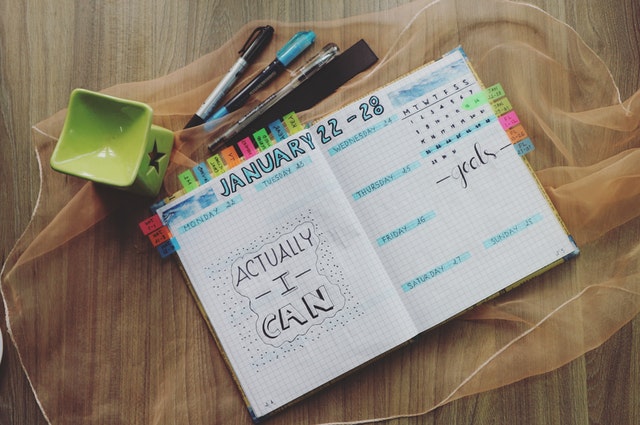
    When I first began to homeschool, I bought a planner, and created a wonderful, comprehensive schedule. It had EVERYTHING: second languages, dance, music theory, interactive math, geography, I mean, it was a freaking thing of beauty.

    And it was totally and utterly useless.

    I quickly found out that children often don’t like to follow schedules, and my neurodiverse and gifted child REALLY, REALLY, REALLY did not like to follow schedules.

    So I had a choice: I either spend endless amounts of time and pull out chunks of hair in frustration as I try to make my child comply to me, OR I could focus on where she wanted to go, and what she wanted to learn each day.

    It was like night and day.

    Suddenly I had a child who was eager to learn and curious about the world around her.

    Look, you do you, if you need to make a schedule and follow it, and your child responds well to the routine, then go for it. But first ask yourself, is the schedule for them or for me?

    These are crazy times. We all have to adapt. And if you are trying to homeschool during the coronavirus, I think adaptability may take top priority.

    2. Make it Fun

    Look, they may not show it, but our kids are listening, and taking in more then they are letting on. They know things are different, and they feel the stress and energy we are all carrying, whether you think you are showing it or not.

    That’s why it is more important than ever to make learning fun. Keep it tactile. Make games out of it. Find as many interactive apps and programs as you can, change from video, to written work, to crafts, to dance and back as often as you need to to keep them happy and engaged.

    You might just keep yourself happy and engaged in the process.

    3. You Don’t Need As Much Lesson Time as Brick and Mortar Schools Provide

    Because your children are getting focused, personal attention from you as they learn, you will find you do not need to devote as much time each day learning as they do at regular school.

    The school day is often taken up by outdoor activities like recess, as well as transitioning between classes, busy work, or simply shifting focus from lesson to lesson.

    You don’t need to homeschool for very long each day to achieve the same results as you would in regular school.

    In fact, due to the anxiety caused by our current zombie apocalypse COVID-19 pandemic, I would recommend to keep sessions short and the overall lesson time short as well.

    In most homeschooling blogs, you will see a general rule of thumb of 30 minutes recommended lesson time per grade, starting with Kindergarten. Hence a 1st grader would only need an hour of homeschooling daily. A 2nd grader would only need an hour and a half, a 3rd grader would need two hours, and so on, and so on.

    Given the stress of our current pandemic, I would recommend keeping it even lighter than this, at 20 minutes per grade daily.

    Again, keep in mind, if your child is keen on a certain day, let them learn as much and for as long as they want. And if they are reluctant, then don’t force it, give them the day off.

    4. Keep the Sessions Short

    I found that for my daughter, we had to do short mini-lessons of no more than 10 minutes each when we were dealing with subjects she wasn’t passionate about, and I had to intersperse them with physical activity, games or other breaks in order to give her time to re-group.

    However, if we were dealing with a subject my kiddo was passionate about, it wasn’t abnormal for us to spend a day on that one particular subject.

    Take your cue from your children. Follow where they lead, and you’ll be the better for it, I promise you.

    5. Give Your Kiddo(s) a Sense of Control

    Speaking of letting your kiddos take the lead, I recommend allowing THEM to be in charge of organizing the schedule and picking what they want to learn. I used laminated clipart to represent each possible thing we could do for homeschool every day, from a sewing machine icon for sewing lessons, to numbers for math. Every morning, I will pick out a handful that I feel we should cover for the day, and then I will allow my daughter to swap out any she’s not keen on and put them in the order she would like to do them.

    This allows your homeschooler to play an active part in their own education. When they feel valued, respected and heard, they will be more willing to learn and follow direction later.

    6. Incorporate ALL Their Senses When Learning

    We all know there are many types of learners; visual, auditory, kinesthetic, and those that prefer to receive their information through reading and writing, so it stands to reason that you appeal to as many senses as you can when teaching your kiddos.

    This means you use worksheets, videos, games, dance, singing, art or any other medium that appeals to them. My daughter and I improve her throwing skills and practice counting by 2’s, 3’s, 4’s, 5,’s etc. with each catch.

    7. Learning Takes Place OUTSIDE of Lesson Time Too

    If your kiddos are having a bad day, don’t sweat it. The beauty of homeschooling is you can improvise and make it up as you go. If they don’t want to homeschool today, then slip some learnin’ in when you cut up an apple for a snack, it’s a great time to learn fractions.

    If it’s a sunny day, you can look for clouds in the sky and talk about cloud formation.

    Everything is an opportunity for learning and everywhere is your classroom. Once you figure that out, you’re off to the races.

    Without further ado, I will switch from tips for how to homeschool, and provide my list of resources, programs and apps that I’ve found to be particularly helpful.

    8. Reading Eggs

    Reading Eggs was one of the first English and grammar programs I was introduced to in my homeschooling journey and we are still using it. With different levels for different ages, you will find Reading Eggs Junior for kids 2-4 years old, Reading Eggs for kids 3-7, and Reading Eggspress for kids 7-13 years old.

    I can’t say enough about this program y’all. For my neurodiverse kiddo, it checks all the boxes.

    From fun animated characters, organized lessons, quizzes and progress reports, this app does a LOT of the heavy lifting for you. And my daughter loves, loves, loves the reward system! Every task and lesson completed earns your child eggs, which they can use to outfit their very own apartment. Not to mention the cool trading cards they can receive for lessons completed!

    In addition, there is a great library for your child to access, as well as separate tasks designed for specific spelling and word study.

    I highly recommend this app, I access it on my PC but you can also download the app in Google Play and the App Store.

    9. MathSeeds

    Offered in conjunction with Reading Eggs, Math Seeds provides online math lessons for ages 3-9. As with Reading Eggs, this program is designed to be colorful, dynamic and fun, building steadily from one concept to the next, and breaking each down to easy-to-understand parts.

    Just like Reading Eggs, all progress is tracked, and you can take a test to figure out which level to start your kiddo at. Rewards are abundant, and this time, your kiddo can totally outfit their very own tree house, cuz, you know…..TREE HOUSE!

    Math Seeds is offered on Google Play and the App Store and is accessible through the Reading Eggs web page or App. The only catch is you may have to buy a Reading Eggs Subscription in order to receive Mathseeds. The price is affordable, starting at about $7 Canadian monthly.

    10. Education.com

    Another great program available and offering free basic subscriptions during the COVID-19 pandemic is Education .com. With fun and engaging interactive lessons from grades pre-kindergarten up to grade five in Reading, Writing, Math and Typing, plus a MILLION worksheets and downloadable workbooks, PLUS fun ribbons for rewards, this is another great way to learn and not even know you’re learning.

    Oh yeah, they’ll keep track of your child’s progress, provide assessments, and also give daily suggestions of downloads for science, art and social studies too!

    11. Zorbits Math Adventure

    My sister-in-law, who is a teacher, tipped me off to this math program, and I’m so glad she did. Imagine you are an explorer and you get to land on different planets and help the inhabitants by doing math problems. That’s the premise for this program, and it comes with so many other bells and whistles, from colorful interactive lessons, to complete lesson plans with accompanying worksheets and activities, it has it all.

    And the best thing yet, they are providing free learning bundles during this challenging time. Check out Zorbits.com here for your free learning bundle.

    12. BrainPop and BrainPop Jr.

    Science? They’ve got it. English? Oh Yeah! Arts and Music? Check. Engineering and Tech? Yup. You will find ALL of these on BrainPop or BrainPop Jr. (K-3)

    From video lessons on digital technology, to social and emotional learning, to quizzes and games, and even templates to form reports, these programs are informative and well-rounded.

    Oh yeah, and they are free during the pandemic. SCORE!

    You can find BrainPop and Brain Pop Jr. on the Google Play and the App Store. They also have a new app called BrainPop ELL which looks to be an English program/app. We haven’t tried this yet, but if it’s free, I would suggest you give it a try and let me know how you like it.

    13. Adventure Academy

    If you want an adventure, then I’ve got the perfect one for you! This program is completely immersive and interactive. Your kiddo gets to create an avatar and wander around the Adventure Academy universe, which is fully tailored to learning. From physics, to math, to English to social studies, your learner will be sent on quests and assigned tasks daily, all designed to promote learning.

    Now, for those of you worried about online predators, there is a chat function, but you can set the privacy settings to wherever you would like for your own comfort.

    The depth of material and content is truly remarkable, and it is a completely engaging way to get your homeschooler some socialization time combined with LOTS of learning.

    You can find the Adventure Academy App on Google Play and the App Store.

    14. Lingo Bus

    If you’re looking for something new to introduce to your kiddo, you can try Chinese. Lingo Bus provides fully immersive Chinese lessons with a native Chinese speaker, along with tons of lesson materials, work books and videos on YouTube.

    You can book lessons on your time, when it is convenient, and then you’re off and running.

    The only drawback is price, Lingo Bus runs around $18 a lesson, but, personally I have found it to be well worth it. Once you have enrolled, there are review materials for each lesson, plus tons of printables and supplementary materials to help your child along the way.

    I would recommend if you do enroll in LingoBus that you do your prep and review for each lesson on the iPad app, the PC program isn’t as responsive and tends to be glitchy. The online class platform works well on both PC and tablet platforms however.

    15. Kodable

    If you’re looking to get your child interested in coding, you should check out Kodable. For grades K-5, you’ll find this to be a great introduction to coding and programming language. The kids get to create their own “Fuzz” characters, and use them as they play games and develop critical thinking and problem solving skills.

    Tons of fun, this program utilizes drag and drop programming to allow you to design your own games, allowing the kids a chance to show their creative side too!

    Check out these FREE COVID-19 resources they are offering!

    You can download the app on the App Store.

    16. BrightWorld Adventures

    From Ocean Forests to Amazing Amphibians, these apps are so realistic and immersive it makes you feel like you’re actually there, watching a moray eel spring out of the rocks at the bottom of the ocean, or learning about the lifecycle of frogs in our wetlands. These apps are outstanding for providing immersive reading and science experiences.

    17. RosiMosi Learning Games

    From science to grammar, and everything in between, the RosiMosi Learning Games apps for Pre-Kindergarten to Grade 6 are great for mini-lessons. All you need to do is download the app from the App Store!

    18. Dragon Box

    These games are a personal favorite of mine. Teach your kids algebra and other math concepts through simple games designed to teach them the basics….and beyond. Before you know it, they’ll be doing advanced algebra!

    And they won’t even know they are learning, which , let’s be honest, is the goal, right?

    19. Crazy Gears

    Introduce your kids to mechanical engineering in the funnest way possible! In order to make the screen slide to each new stage, they first have to use problem solving to piece together simple machines, using gears and chains.

    My daughter was entranced the first time we played this, and still loves to lose herself in this.

    20. GoNoodle Kids

    This is a must have. Seriously, go download it now.

    I’ll wait……….

    Did you download? Sigh…..

    Go do it!

    GoNoodle Kids is a must have for getting your kids moving and grooving, singing and dancing, and having a great time. Keep them active and OUT OF YOUR HAIR ( I knew that would get your attention) with GoNoodle.

    21. Mindful Powers

    Let’s not forget about our kids emotional health as we all hunker down. According to the Mindful Powers App, it is a “kid first, holistic approach to building social emotional learning.”

    Teach your child mindfulness and meditation through a series of relaxing exercises developed specifically for children.

    Great for bedtime, or anytime, you can get it on the App Store.

    22. iTrace

    For your little ones, or your older kids that need help with printing and forming letters, this is an incredibly handy app to have. You can get it in the App Store but it is also available for android on Google Play.

    23. Royal Academy of Dance

    If you have a budding ballet dancer in your midst, and you want to help them keep up their skills, the Royal Academy of Dance has downloadable dance exercises and lessons all grouped by Grade and Level. Use these videos to develop balance, coordination and creativity, not to mention good posture and great life skills! Available on Google Play and The App Store.

    24. Garage Band

    Keeping with the music and dance theme, why not dedicate some time to laying down some tracks and mixing some beats! Explore your kids creative side with this fun and interactive way to experiment with creating awesome music! Great for young and old alike, it’s never too early for music awareness. Let your child be their own composer AND conductor!

    25. Stop Breathe &Think Kids

    Help your child get quiet, restful sleep, and be more more focused and relaxed when they’re awake with this amazing app. Designed so your child can pick the appropriate story/meditation depending on their mood, I guarantee a delightful, tranquil experience.

    Addendum: In my haste to get this blog out in answer to the requests from some of my non-homeschooling friends, I missed a few websites we’ve used in the past.

    Without further ado, they are: Draw So Cute-a great YouTube video series designed to teach your child how to draw the CUTEST characters (hence the name), Froguts BioLearning-an absolutely fantastic way teach your child biology and anatomy through the coolest virtual dissection ever, Duolingo-for learning any second language of your choice, and MineCraft-which, I’m sure everyone knows by now, but did you also know they have an entire Education Edition?

    The upside to all of my additions? They are ALL free or have FREE content during our lockdown…score!

    Summary

    I hope you find these tips and programs as useful as I have as you embark on your journey of homeschooling during the coronavirus. While not exhaustive, they should be enough to get you started.

    Just remember, take it day by day, be gentle with yourself and your kids, and breathe.

    You’ve got this!

    If you have any apps or curriculum you want to share with everyone, please feel free to share and comment below!

  • A Product Review of “Raddish:  A Cooking Club for Kids”

    A Product Review of “Raddish: A Cooking Club for Kids”

    ProductRaddish Cooking Club for Kids

    Price

    • 24 USD monthly subscription
    • 22 USD monthly for a 6-month subscription
    • 20 USD monthly for a 12-month subscription
    • Free delivery in the US
    • International shipping 7 USD monthly

    Cheapest Place to BuyRaddishKids.com

    My Rating:  9/10

    Overview:  I promised myself this year I would lead the homeschool charge from a place of strength when planning our curriculum.  So often, we try to work on the things we see “lacking” in our children instead of focusing on what they can do WELL.

    With this in mind, I wanted to think “outside the box” in terms of the programs and subjects I introduced to my daughter. As many of you know, it isn’t easy to homeschool a child who is differently wired, you are always balancing the need for structure with the need for newness in order to maintain your child’s motivation and get ANYTHING done.

    I’m blessed with a wonderful, curious, and passionate daughter who, aside from being fantastically creative, also has ADHD, anxiety, and giftedness, so our days are always a fantastic (and sometimes frustrating)  blend of challenge and discovery.

    Picky eating often comes with the territory when you have neuroatypical kiddos, and my daughter is certainly no exception.  Nowadays, after adding the appetite-suppressing effects of Concerta into the mix, food intake has become an even larger source of concern in our household.

    This is where Raddish Kids comes in.  I had seen Raddish Kids advertised on Facebook and was interested right from the start.  I don’t cook much anymore as a single mother, I’m simply too busy. Plus, frankly, I have to make a separate meal for my picky eater, so I usually run out of steam when it comes to cooking another meal for myself.

    Having already researched everything I could about picky eaters when my daughter was a toddler, I knew that one of the strategies used to encourage children to try new foods is to have them help prepare the food. The premise is if they prepare it, they will be more likely to try the food and eventually (fingers crossed) eat it.

    So, I decided to take the plunge.  I hesitated because it was yet ANOTHER monthly charge for homeschooling to add to my ever-growing list, but in the end, I bit the bullet and signed up for the 6-month subscription. 

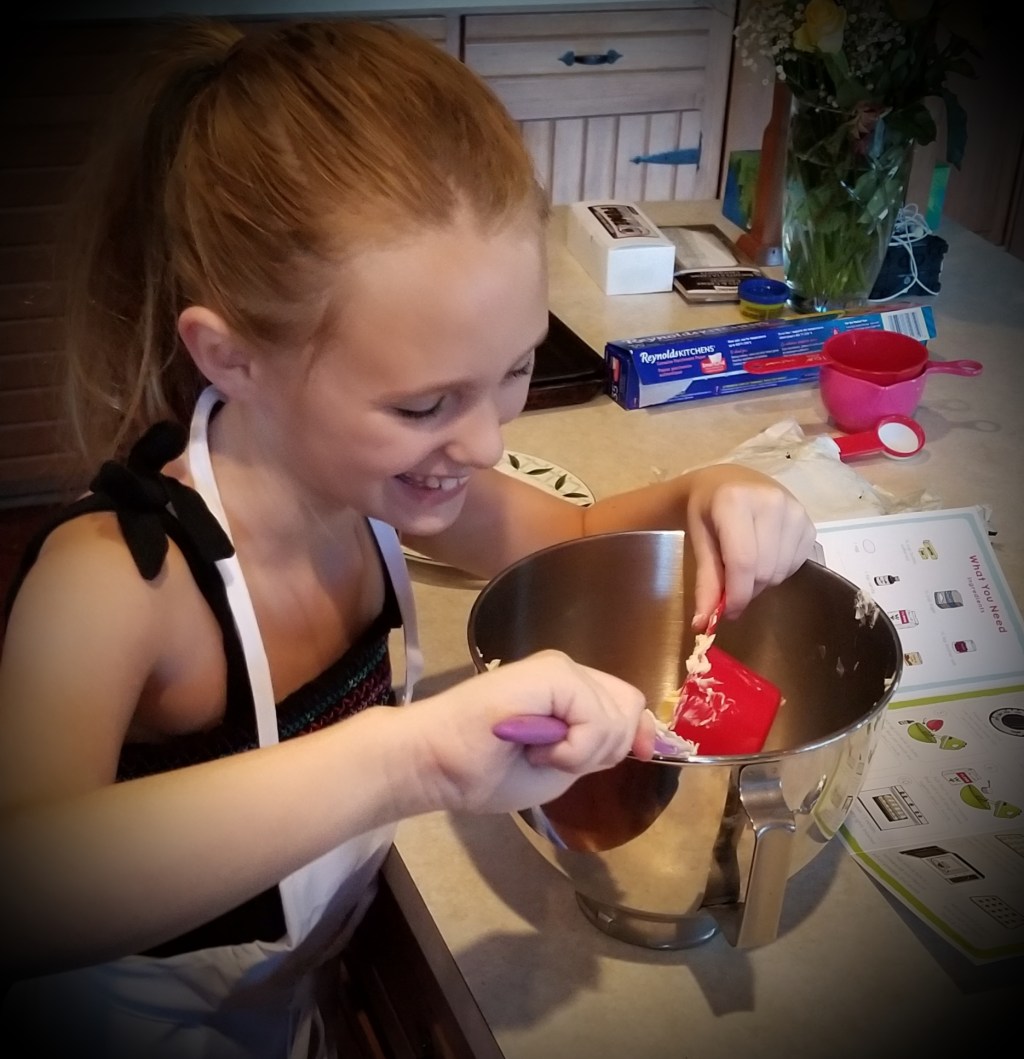
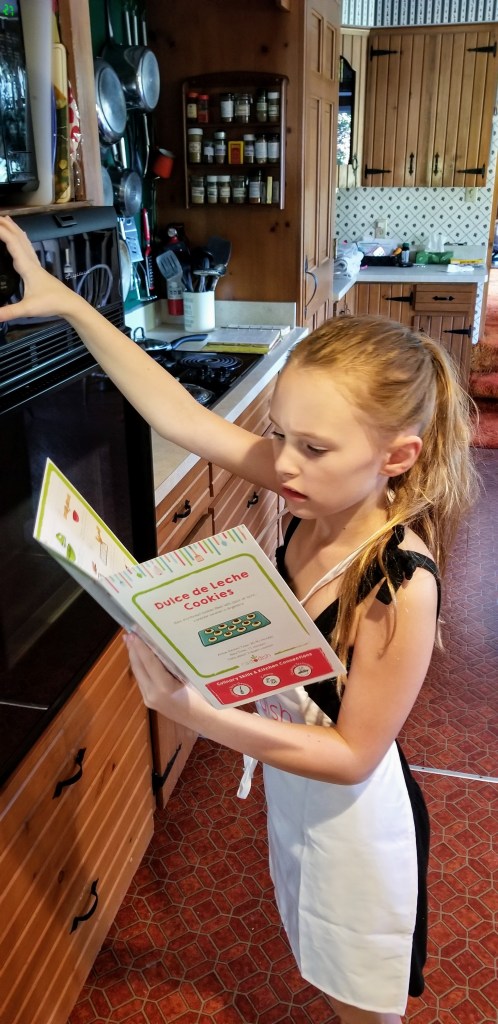
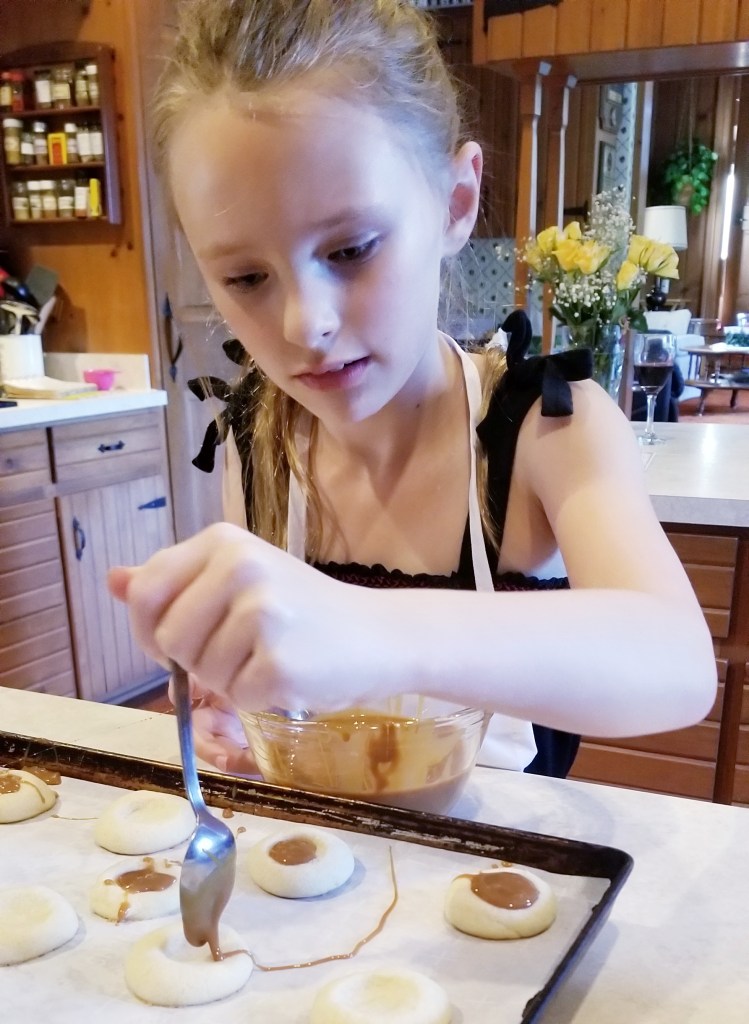
    I gotta tell you, I’m glad I did. So far, we are two shopping trips and two completed dishes in, and I LOVE this program. Keep reading for the best features of Raddish Kids, and check out the video to see what we received in our first delivery here. (Please excuse the amateur production values, I am still learning my way around YouTube)

    Best Feature of Raddish Kids:  There are many wonderful features of Raddish Kids Cooking Club, but the most important one for me is the gift of time.  This program gives me time to spend with my daughter, where we are working together toward a common goal without the stress of timetables or assessments. 

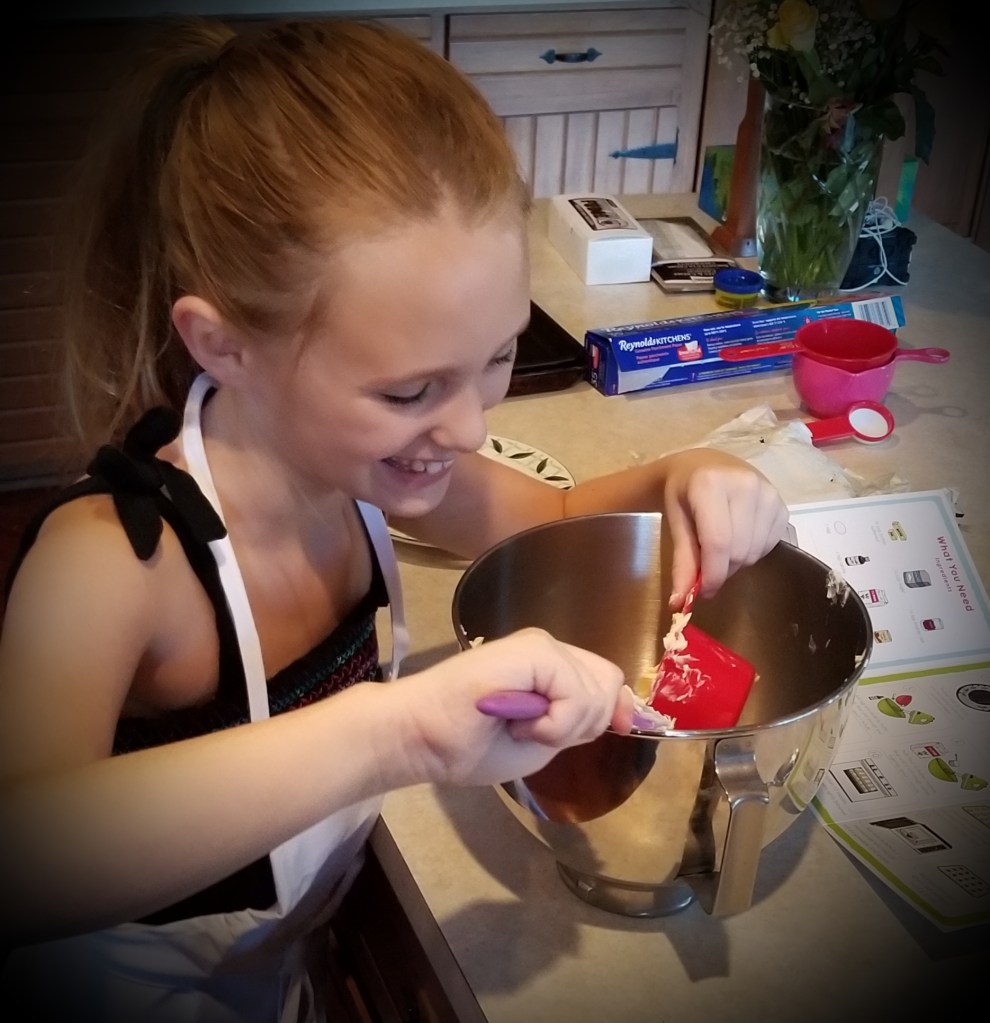
    The times we spend in the kitchen have been incredibly bonding and allow us to make a connection where it doesn’t feel like we are learning (even though we are).  I love how organized the materials are, they arrived with my daughter’s name on the package within a couple of weeks of signing up.

    The materials are educational, each package containing three recipes centered around a certain country (we are currently working our way through Argentina) or a theme (can’t wait to try the Game Day Chile recipe!) 

    I love how Raddish Kids gives you valuable information about the culture and geography of each country you are focusing on each month, and they even go one step further, providing an adorable apron, a specific cooking utensil, and table-talk activities for when you sit down as a family to enjoy your meal.

    This is a well-thought-out program with lots of lessons both inside and outside of the kitchen.

    Pros: The material is very well organized and kid-friendly.  Formatted with cute and easy-to-follow graphics and big fonts, each recipe is written separately on laminated pamphlets that do NOT damage or stain easily. It is a cinch to follow each recipe and create wonderful meals. 

    I particularly like the shopping list they provide for each recipe, which I give my daughter to do each week. (With me, of course, I don’t just drop her off at Walmart and let her run around by herself, although…there are times I’d like to, if I’m being honest:)

    Learning to follow the list, check off each ingredient found, pay and make change (yes, people still know how to do this without technology…gasp) is, in itself, a life lesson.  I also really appreciated how Raddish identifies the cooking skills taught in each lesson and emphasizes cooking tips to remember, such as letting the meat cool after cooking for a few minutes so it retains its juices.

    Cons: You have to pay for this in US dollars, so I’m not a fan of that, PLUS you have to pay an extra $7 monthly for shipping.  With the exchange rate, it’s not a cheap program to have, but it is definitely worth the money.

    Conclusion:  If you are looking for a creative way to incorporate cooking into your homeschool curriculum, or if you just want an amazing way to connect with your kids as you make delicious meals and learn about other cultures, Raddish Kids is the way to go.

    I love the way I connect with my daughter when we cook together, and you will love the way you connect with your kiddo, and isn’t connection what life is all about?

    P.S. You’re probably wondering if my picky child ate the food we made?  So far, that’s a HARD NO, but we had so much fun making these dishes, in my mind, it’s still a WIN

    Not to mention me, my mother and father LOVED them.  Plus, I’m not giving up yet, I’ll wear her down eventually, and hopefully, Raddish Kids will help me do it!

    Did you try Raddish Cooking Club for Kids? Let me know your thoughts in the comments below, and share this review if you liked it!