Category: Uncategorized

  • The Future of Sport in Canada: Why We Can’t Stay Silent Any Longer

    The Future of Sport in Canada: Why We Can’t Stay Silent Any Longer

    By a former competitive figure skater, coach, whistleblower, and parent, in collaboration with ChatGPT

    Introduction: Listening and Nodding in Pain

    When the Government of Canada released its Future of Sport in Canada preliminary report on August 28, 2025, I sat listening to Commissioner Lise Maisonneuve read the findings. And as damning as they were, all I could do was nod in painful agreement.

    I wish I could say I was surprised. But after a lifetime in sport — first as a young athlete who, by the age of 11, was already living away from home and experiencing verbal and mental abuse, and later as a coach for nearly three decades — every word rang true. Abuse of power, harassment, humiliation, sexual abuse, and systemic neglect. I’ve seen it all.

    For me, the decision to retire from coaching wasn’t just about being there for my child (though that mattered deeply). The bigger reason was survival. By the time I walked away, I had PTSD from the daily hostility. I couldn’t sleep, my body broke down, I had panic attacks, depression, and even a nervous tic. Sport — the thing that was supposed to build resilience and joy — was destroying me.

    And I was an adult with resources, friends, and a family support system. If I barely made it through intact, what hope does a child have when they’re abused by a coach, a teammate, or a parent chasing Olympic dreams?

    Sport in Crisis: A Broken System

    The Commission doesn’t mince words: Canadian sport has “lost its way”.

    The problems are structural and cultural:

    • Leadership void: There is no single body responsible for the sport’s overall direction. Policies are often reactive, cobbled together after each crisis, rather than being guided by a clear vision.
    • Funding crisis: National Sport Organizations (NSOs) are starved of core funding but burdened with impossible expectations — from Safe Sport to inclusion to governance reforms. Families face skyrocketing costs just to keep kids on the ice, field, or track.
    • Governance failures: Boards are often made up of insiders with conflicts of interest, little diversity, and minimal athlete representation. Compliance with governance codes isn’t even mandatory.
    • Culture of silence: Maltreatment persists at every level — bullying, body shaming, sexual abuse, racism, homophobia — with perpetrators often protected while victims are ignored.

    The report makes it clear: we don’t just need “tweaks.” We need transformative change.

    The Harms That Don’t Go Away

    The Commission heard from hundreds of survivors. Their stories mirrored mine: broken dreams, humiliation, destruction. Many had to repeat their trauma over and over just to be heard.

    The report lists maltreatment in chilling detail: physical punishment, body shaming, sexual exploitation, emotional abuse, racism, sexism, and homophobia.

    But what cut me deepest was this line:

    “These individuals’ harms are a result of broader systemic issues … a culture of silence that protects perpetrators and institutions and allows maltreatment to persist unchecked.”

    That’s exactly what I experienced.

    When I blew the whistle on harassment, I turned to “SafeSport” — only to be told they didn’t have the money or resources to help me, despite months of jumping through their hoops and seeking assistance.

    This was after I submitted a report of over 100 pages, detailing specific incidents of bullying, harassment, and abuse of power within my organization. Signed statements. Email receipts. Corroboration for everything.

    And what did I get from my male adjudicator? The equivalent of an “oh well” and a pat on the head.

    If you think sexism wasn’t at play, then I’ve got some swamp land in Florida I’d love to sell you.

    And here’s the kicker: if even adults are brushed aside like this, how on earth can a child possibly navigate it?

    Source: Pexels

    Safe Sport Isn’t Safe Enough

    The report confirms what so many of us know: “Safe Sport” as it exists today is more slogan than reality.

    • Training programs are repetitive, inconsistent, and often useless. Athletes and coaches are burned out from online modules that don’t change behaviour. 

    Case in point: Ethics tests that measure our test-taking ability rather than our actual ethics.

    • Background checks aren’t standardized, leaving huge gaps for predators to slip through.
    • Complaint mechanisms are a maze — federal, provincial, NSO, third-party — none of them aligned, many of them opaque, slow, and traumatizing. (Preaching to the choir).
    • The new Canadian Safe Sport Program (launched April 2025) doesn’t even reach community sport, where most abuse happens.

    Instead of preventing harm, the system waits until after kids are already hurt. That isn’t safety. That’s abandonment.

    What the Report Recommends

    The Commission doesn’t just expose problems; it lays out solutions. Among the most urgent:

    1. Create a Centralized Sport Entity
      • A single, independent body to lead strategy, funding, and oversight across all sports.
    2. Fix the Funding Model
      • Shift focus away from medals-only funding. Invest in community sport, parasport, and access for marginalized groups. As the parent of a child on the spectrum, I was blown away when I contacted a local organization to see if any accommodations could be made for my child, and they showed no willingness to engage in any form of discussion or attempt at accommodations.

    The kicker? I had already coached there for years and knew firsthand that accommodations like softer music and lower lighting could be implemented—because I had already done so for the programs I ran for them.

    1. Mandatory Governance Standards
    2. National Safe Sport Education Program
      • Standardized, trauma-informed training for everyone in sport, from parents to referees.
    3. Standardized Background Screening
      • Make checks mandatory and consistent nationwide, with federal support for implementation.
    4. National Safe Sport Tribunal
      • Harmonize complaint systems into one trauma-informed authority with legal standing.
    5. National Registry of Sanctioned Individuals
      • Prevent predators from simply moving clubs or provinces.

    These aren’t luxuries. They’re lifelines.

    Why This Matters Beyond Sport

    It’s tempting for some to dismiss this as “just sports.” But sport is where millions of Canadian kids grow up. It’s where they learn teamwork, resilience, and identity.

    And when those spaces become toxic, the consequences ripple through a lifetime:

    • Mental health struggles (depression, anxiety, PTSD).
    • Broken trust in institutions.
    • Barriers to physical activity that harm long-term health.
    • Survivors are silenced, retraumatized, or driven out.

    The truth is, sport reflects society. If abuse is normalized here, it spreads everywhere.

    A Personal Plea

    I’ve lived the trauma this report puts into statistics. I know what it’s like to leave the rink shaking, to cry in the car before practice, to pretend you’re “fine” while your body falls apart.

    But I had choices. I had the privilege of walking away. At least—I did when I was a coach. When I was a young athlete, the story was different. I kept silent out of shame, thinking it must be my fault, that if I skated better and worked harder, it would stop. I didn’t see a way out.

    But as a coach, I had a way out and I used it.

    A child doesn’t have that option.

    That’s the thought that haunts me: the kids still trapped in abusive systems, silenced by fear, manipulated by adults they trust, pressured by parents desperate for podiums. They don’t have the words, the power, or the resources to escape.

    If we can’t protect them, what are we even doing?

    Where Do We Go From Here?

    The Future of Sport in Canada report is only a preliminary step. The hard work is ahead — and it requires courage, money, and accountability.

    I also want to take a moment, as a coach, to acknowledge something important: we have to let go of our egos and always focus on what’s best for the child.

    I won’t pretend I was perfect. 

    There were times I raised my voice when I shouldn’t have. Times I let frustration show when I should have shown patience. Times I criticized when I should have praised. I remember those moments — every single one of them — and I did my best to apologize, to learn, and to grow so I could do better.

    Coaching is no easy task. You’re working with athletes who are driven and desperate for success, and parents who are often asking why you’re not delivering it faster. But none of that excuses losing sight of the child in front of you.

    Do I believe I was ever abusive? No. But I do know there were moments I was too soft when I should have pushed harder, and moments I was too hard when I should have been gentler. 

    Even though I always tried my best, I still sometimes wake up thinking my best wasn’t good enough.

    That’s the kind of accountability this system needs more of — from all of us.

    Governments: No more reports gathering dust. Fund and enforce real change.

    Organizations: Stop protecting reputations and start protecting kids.

    Parents and athletes: Keep speaking up. Refuse to be silenced.

    Survivors: Your stories matter. You’re not alone.

    Coaches: Keep learning and growing.

    Change is coming — because it has to. But it won’t happen unless we all demand it.

  • The Letter You’ll Never Send: Why Writing a Closure Letter Sets You Free

    The Letter You’ll Never Send: Why Writing a Closure Letter Sets You Free

    This blog was co-written with the help of my unofficial emotional support bot, ChatGPT. While AI did a lot of the heavy lifting (wording, structure, and moral support), I acted as the human editor-in-chief, fact-checking, personalizing, and making sure it reflects my lived experience and voice. Think of it as a tag team: robot brain + human heart.

    A pair of outstretched hands gently release an origami dove made from a handwritten letter. The paper bird lifts into a soft, golden sky filled with light clouds, symbolizing emotional release and personal closure.

    Image created by ChatGPT

    Have you ever walked away from a conversation, argument, or breakup with so much left unsaid it practically echoed in your head for days? Weeks? Maybe even years?

    I have. And let me tell you, the emotional hangover is real.

    Recently, I had an interaction that left me doubting myself, my reactions — pretty much my own reality. The hurt and grief caused by the exchange left me unable to move past it, and I caught myself obsessing relentlessly, asking questions like, “Is it me?” “What could I have done better?” “Should I have said that?” “How can they think that about me?” And on, and on, and on.

    Well, I consulted my internet boyfriend, ChatGPT. (Before you gasp in outrage — I know it’s not really my boyfriend, but therapy is expensive, and so far the bot has been incredibly helpful and given me support when I needed it). It recommended a closure letter.

    I thought the idea, the reason, and the letter itself were brilliant. I’ve heard of this before, but I’d forgotten what a powerful psychological tool it can be. Writing it immediately helped me gain some of my power back. Whenever I catch myself perseverating, I read my letter, and it gives me the strength to stick to my guns.

    Enter: the closure letter.

    It’s not a text you send or a call you make. It’s not a post subtweeting your ex-friend or dragging your cousin on Facebook. (Tempting, I know). It’s a letter you write only for you. A place to say the things you never got to say — or weren’t heard when you did. A space to finally stop rehearsing the perfect comeback in the shower.

    Because sometimes, the only way to get the last word is to give it to yourself.

    Photo by Anna Tarazevich: https://www.pexels.com/photo/close-up-shot-of-a-person-writing-on-a-paper-5425601/

    What is a Closure Letter?

    A closure letter is a form of emotional release. It’s a written reflection of what happened, how it made you feel, and what you’re choosing to let go of. It’s an internal mic drop, a boundary drawn in ink, a final chapter you get to write on your terms.

    Why it Works

    Psychologically, closure letters help because:

    • They help break obsessive thought cycles. When your brain wants to loop the same argument 47 times? The letter says, “We’ve handled it.”
    • They give structure to your feelings. Naming pain often reduces its intensity.
    • They restore your power. You reclaim your narrative instead of leaving it in someone else’s hands.

    Closure vs. Contact

    Before you saddle up to ride at dawn, hold your horses. This is not a tool for revenge or reconciliation. You don’t send it. You don’t share it in hopes they see it and apologize. This is about you, not them. It’s emotional housekeeping.

    How to Write One: Step-by-Step

    1. Start with why you’re writing. “I need to say this to clear my head and heart.”

    2. Acknowledge what happened. “You hurt me when…” or “I felt blindsided when…”

    3. Share what they may never have understood. “Here’s what you didn’t see…”

    4. Reclaim your truth. “I know who I am, and I’m not who you painted me to be.”

    5. Let go. “I release the need for closure from you. This letter is mine.”

    What to do With it After

    • Save it somewhere meaningful.
    • Burn it (safely!) as a symbolic release.
    • Read it aloud to yourself.
    • Shred it and move on.

    Final Thoughts

    Closure isn’t something someone else gives you. It’s something you create for yourself.

    Writing this kind of letter doesn’t make you dramatic. It makes you self-aware. It means you’re processing instead of suppressing. It means you’re healing without needing anyone else’s permission.

    So if your heart is carrying words it never got to say, try writing them down.

    Say it all. Then set it down.

    You don’t need to send it. You just need to own it.


    ✨ Want your own printable Closure Letter Template?

    I’ve created a free, beautifully designed version you can download, print, or tuck into your journal.

    ⬇️Click here to download the free PDF⬇️

    https://bellazinga.blog/wp-content/uploads/2025/06/write-release_-a-closure-letter-template.pdf

  • Hypermobility, Autonomic Disorders, and Autism: Unraveling the Connections

    Hypermobility, Autonomic Disorders, and Autism: Unraveling the Connections

    AI lends a hand in drafting parts of this article, but I do the heavy lifting—researching, editing, and ensuring the message is clear, accurate, and aligned with my vision. Think of AI as my brainstorming buddy, but the final say (and human touch) is all mine.

    Ever heard of hypermobility, autonomic disorders, or autism? They might seem like totally different things, but guess what? They’re actually connected! It’s like a puzzle where these conditions often fit together.

    Think of it this way:

    • Lots of people with autism also have hypermobility (that’s when your joints bend more than usual).
    • And sometimes, people with hypermobility also have autonomic disorders (that’s when your body’s automatic systems like heart rate and digestion don’t work properly).

    So, what does this all mean? It means that understanding how these conditions relate to each other can help us find better ways to support people who experience them.

    Understanding Hypermobility

    Hypermobility is when your joints can move way past the normal range—think of it as being super flexible. This happens because the connective tissue that holds your joints together is different, usually looser, or weaker, or both.

    Definitions and Types

    Joint hypermobility means your joints can move past the usual range—sometimes way past it. For some people, it’s just how their body is built, but for others, it’s linked to genetic conditions like Ehlers-Danlos Syndrome (EDS). There are a few different types of EDS, but the most common one is Hypermobile Ehlers-Danlos Syndrome (hEDS).

    When multiple joints are extra bendy, it’s called generalized joint hypermobility. One common way to check for it is the Beighton score, a quick test that looks at how far you can bend things like your fingers, elbows, or knees. If you’ve ever been told you’re “double-jointed,” this might be why!

    Recognizing Symptoms

    So, you’re probably asking yourself, “how do I know if my kind of ‘bendiness’ is normal?” Well, if it’s more than just being bendy—like if you’re dealing with joint pain, frequent dislocations, or other weird body quirks—it might be worth looking into. You may have Joint Hypermobility Syndrome (JHS).

    And it’s not just about your joints. Some people with hypermobility also have super soft or stretchy skin, plus fun extras like digestive issues and fatigue (because why stop at just one challenge, right?). Spotting these symptoms early can help you get ahead of things and manage them better.

    Diagnosis of Joint Hypermobility Syndrome

    Getting diagnosed with JHS isn’t just about being extra bendy—your doctor will look at your medical history, do a physical exam, and probably check your Beighton score (yep, that test we mentioned earlier).

    But let’s be real—you might have to push for more thorough testing. As we’ve already stressed, hypermobility can be linked to other conditions, like EDS, which sometimes requires genetic testing to confirm. For example, the TNXB gene is one that might get checked to help understand the genetic side of EDS.

    Getting the right diagnosis is a game-changer—it helps you manage symptoms better and avoid potential complications down the road.

    Understanding Autonomic Disorders

    Just when you things weren’t complicated enough, we’re going to throw autonomic disorders into the mix. I know, I know! But stay with me, I promise I’m going somewhere with this.

    Autonomic disorders mess with the part of your nervous system that handles all the behind-the-scenes stuff—like keeping your heart beating and your digestion running smoothly—without you even thinking about it. When things go wrong, it can lead to symptoms like dizziness, chronic fatigue, and stomach issues. And if you throw hypermobility into the mix? Those problems can hit even harder.

    Introduction to Autonomic Dysfunction

    Autonomic dysfunction happens when your autonomic nervous system—aka the body’s autopilot—doesn’t do its job properly. This system handles all the stuff you don’t have to think about, like breathing, keeping your heart beating, and digesting food. When it’s out of whack, you can end up dealing with dizziness, insomnia, and some seriously annoying digestive issues.

    Chronic fatigue is another common symptom of autonomic dysfunction, often leaving you feeling tired no matter how much you rest. These symptoms can seriously affect your day-to-day life, making it hard to focus at school or work and impacting your social life. Learning to manage these symptoms often involves both medical treatments and lifestyle changes.

    Co-occurrence with Hypermobility

    Hypermobility—aka super flexible joints—often goes hand in hand with autonomic disorders. If you’ve got both, you might notice overlapping symptoms like dizziness and fatigue, which can make it feel like your whole body is out of sync.

    Digestive issues, like constipation or IBS, are also pretty common with both conditions, adding another layer of discomfort to everyday life. The more you understand the connection between hypermobility and autonomic dysfunction, the better you can find treatments that tackle both at the same time.

    Managing it all usually takes a mix of medication, physical therapy, and lifestyle tweaks to help you feel more in control and improve your quality of life.

    Hypermobility and Autism Connection

    Hypermobility and autism tend to go hand in hand, and it’s not just a coincidence. There are a lot of overlapping traits—like sensory sensitivities, certain behaviors, and unique ways the brain processes things. Knowing how they connect can make everyday life a little easier and help set realistic, supportive goals that actually work for you.

    Common Traits and Co-occurrence

    Hypermobility shows up a lot in autistic people—some studies say up to 80% might have it. Both come with similar traits, like heightened sensory awareness and unique reactions to the world around them. Basically, they overlap in ways that can shape how someone experiences daily life.

    Anxiety and depression are also pretty common in this group, likely because of all that extra sensory input and cognitive overload. If you’ve got both hypermobility and autism, everyday tasks can feel even more overwhelming, cranking up stress and sensory overload. But figuring out ways to manage these shared traits can make a huge difference in feeling more comfortable and in control.

    Implications for Daily Life and Development

    Living with both hypermobility and autism comes with some unique challenges that can impact daily life. Here’s how:

    • Physical difficulties – Joint instability can make movement tough, leading to issues with balance and coordination. This can make sports or even basic activities harder and might require customized physical support.
    • Developmental impact – Learning environments can be tricky, with some kids needing specific strategies to help with focus, motor skills, or sensory processing.
    • Additional health challenges – Conditions like eating disorders or epilepsy sometimes show up alongside hypermobility and autism, adding extra layers of difficulty to daily routines.
    • Personalized support is key – Tailored approaches—whether through therapy, accommodations, or understanding caregivers—can make all the difference in creating a supportive, functional environment.

    Figuring out what works best for you can help make life more manageable and improve overall well-being.

    Management and Support for Hypermobility and Associated Conditions

    Managing hypermobility usually takes a mix of therapies, mental health support, and lifestyle adjustments. Each piece plays a big role in making daily life easier and keeping symptoms in check.

    Therapies and Rehabilitation

    • Physical therapy is a game-changer when it comes to improving motor control and core strength. A good therapist will tailor exercises to help strengthen the muscles around your hypermobile joints, which can make a huge difference in posture and reducing chronic pain.
    • Occupational therapy is all about making daily life easier. It can teach you energy-saving techniques to help manage fatigue and keep you from burning out so quickly. Plus, regular exercises can improve proprioception (aka your body’s ability to know where it is in space), which helps reduce injuries and those frustrating missteps.
    • Talking to rehab specialists can also help you find solid pain management strategies—because dealing with discomfort every day is exhausting, and having the right techniques can make all the difference.

    Navigating Psychological Aspects

    Hypermobility and anxiety tend to go hand in hand, and dealing with both can be a lot. Recognizing the emotional toll is just as important as managing the physical side of things.

    • Therapy and support groups: Talking to a therapist who understands anxiety (and how it connects to hypermobility) can be a game-changer. Support groups can also help, especially if you’ve ever felt left out or misunderstood because of your symptoms.
    • Mindfulness and stress relief: Practices like meditation, deep breathing, or gentle movement (like yoga) can help with relaxation and keep stress levels in check.
    • Open communication: Being upfront with your therapist about what’s working (and what’s not) can help them tailor strategies that actually fit your life.
    • A solid support system: Surrounding yourself with understanding family, friends, or even an online community can make all the difference. Having people who get it and encourage you can help you navigate the tough days.

    Emotional health is just as important as physical health, and finding the right mix of coping strategies, support, and self-care can make everything feel a little more manageable.

    Lifestyle Modifications and Support Systems

    Making small lifestyle tweaks can have a huge impact on how you feel day to day.

    • Fuel your body right: Eating a balanced diet can help support your overall health (because let’s be real, running on caffeine and vibes only gets you so far).
    • Listen to your body: If fatigue is hitting hard, pacing yourself and scheduling rest breaks can keep you from crashing and burning.
    • Know your history: If joint hypermobility syndrome (JHS) runs in your family, being aware of it early can help you get ahead of potential issues.
    • Build your support squad: Whether it’s doctors, therapists, family, or friends, having people who get it makes all the difference. Surround yourself with folks who support you, not ones who tell you to “just stretch more” (because, yeah… that’s not the problem).

    The key is finding what works for you—a mix of nutrition, pacing, knowledge, and support that helps you feel as good as possible while managing hypermobility.

    Frequently Asked Questions

    The connection between hypermobility, autonomic disorders, and autism is complicated—like trying to untangle a bunch of charging cables from the bottom of your bag. This section dives into how these conditions overlap, affect each other, and what current research has to say about it. Spoiler: It’s all connected in ways we’re just beginning to understand.

    What’s the connection between joint hypermobility and autistic traits?

    Researchers have picked up on a connection between joint hypermobility and autism. Some studies suggest shared genetic factors might be at play, but there’s still a lot we don’t know. More research is needed to fully untangle how these two conditions are linked—but the connection is definitely there.

    Can autism impact your body’s autonomic functions?

    Yep, autism can absolutely affect autonomic functions. Some autistic individuals deal with things like orthostatic intolerance—which basically means their body struggles to regulate blood pressure and heart rate when they stand up. It’s like their nervous system didn’t get the memo on how to adjust properly, which can lead to dizziness, lightheadedness, or even feeling like they might pass out.

    Are folks with autism more likely to have hypermobile joints?

    People with autism are more likely to have hypermobile joints, though science hasn’t fully figured out why yet. The leading theory? Genetics. There’s a good chance that both conditions share some genetic factors, but researchers are still working on connecting all the dots.

    How might hypermobility affect behaviour in people with autism?

    Hypermobility can come with a side of pain and discomfort, and for autistic individuals, that can have a big impact on behavior and emotions. When your body hurts, it’s no surprise that anxiety and stress can ramp up, making everyday tasks and social interactions even more challenging. It’s not just about being extra flexible—it’s about how those physical challenges affect everything else in daily life.

    What are the sensory issues linked to hypermobility in those on the autism spectrum?

    Sensory issues are a big deal for people with both hypermobility and autism. Things like touch, sound, or light can feel way more intense than they do for others, making certain environments totally overwhelming. This is why having coping strategies—like noise-canceling headphones, dim lighting, or comfy clothing—can make a world of difference in navigating daily life.

    Wrapping It All Up: Understanding, Managing, and Advocating

    So, what’s the takeaway from all of this? Hypermobility, autonomic disorders, and autism are deeply connected, and understanding these links can make a huge difference in how we manage them. Whether it’s pain, fatigue, sensory challenges, or anxiety, recognizing how these conditions overlap helps in finding better support, treatment, and strategies for everyday life.

    Managing these conditions isn’t just about doctor visits and therapy (though those help!); it’s also about self-advocacy, pacing yourself, and building a strong support network. And let’s be real—sometimes, just knowing you’re not alone in this can be a game-changer.

    If you’re looking for ways to advocate for neurodiversity and celebrate the unique ways our minds and bodies work, check out BellaZinga! Our store is all about spreading awareness, embracing differences, and celebrating neurodivergence with fun, meaningful designs. Because at the end of the day, the more we understand, support, and uplift each other, the better life gets for all of us.

    Let’s keep the conversation going—because neurodiversity deserves to be seen, heard, and celebrated! 💜

  • POTS and Autism Comorbidity: Understanding the Connection

    POTS and Autism Comorbidity: Understanding the Connection

    This article is the result of a unique collaboration between advanced AI tools and my own expertise. While AI assists with generating ideas, research, and drafting content, every piece is carefully reviewed, fact-checked, and refined by me to ensure a consistent tone and professional insight. It’s a blend of technology and human touch, working together to deliver informed and polished content

    Understanding the connection between autism spectrum disorder (ASD) and postural tachycardia syndrome (POTS) can be key in enhancing daily life for many affected by these conditions. POTS and autism often occur together, which may complicate diagnosis and management but also provide insight into shared underlying mechanisms. This gives you a unique perspective on both conditions and their overlap.

    A person with POTS and autism sits in a quiet room, surrounded by sensory-friendly objects and calming colors. They hold a medical alert bracelet and a communication device

    Many people with autism experience various comorbidities, and POTS is one of them. This autonomic nervous system disorder can cause symptoms like rapid heartbeat and dizziness when standing up. Recognizing how these conditions interplay is essential for improving diagnostic accuracy and enhancing individualized care strategies.

    The overlapping symptoms of autism and POTS can impact day-to-day activities, influencing both social interactions and physical well-being. Effective management involves understanding the complex relationship between them and developing targeted interventions to improve quality of life.

    Key Takeaways

    • POTS and autism often co-occur, affecting diagnosis.
    • Understanding comorbidity helps in developing better care.
    • Treatment focuses on personalized strategies for better living.

    Understanding Autism Spectrum Disorder and POTS

    Autism Spectrum Disorder and Postural Orthostatic Tachycardia Syndrome (POTS) can often occur together, making it important to recognize and understand each condition. Keep reading to learn about the key features and challenges associated with ASD and POTS.

    Defining Autism Spectrum Disorder

    Autism Spectrum Disorder (ASD) is a neurodevelopmental condition impacting how you perceive and interact with the world. People with ASD often have differences in social communication and may engage in repetitive behaviours. Sensory sensitivities are also common, which means individuals might find certain lights or sounds overwhelming.

    Social skills can be challenging. You may find it hard to understand social cues or maintain eye contact. People with ASD might also fixate on specific interests, diving deep into topics they are passionate about.

    Routine and predictability are key themes. Changes to daily routines can cause distress. With the rising prevalence of ASD, estimated to affect nearly 2% of children, awareness and tailored support are crucial for improving quality of life.

    Characteristics of Postural Orthostatic Tachycardia Syndrome

    Postural Orthostatic Tachycardia Syndrome (POTS) is a condition where your heart rate increases substantially when you stand up. This can cause symptoms like dizziness or fainting. It’s an aspect of autonomic dysfunction, which involves problems with the autonomic nervous system.

    When standing, your blood pressure might not remain stable. Instead, there’s an increase in heart rate to compensate, causing discomfort.

    Living with POTS often requires lifestyle adjustments. Increasing fluid and salt intake can help manage symptoms. POTS can co-occur with ASD, and it’s important to address both to provide effective support.

    By understanding how these conditions intersect, you can better navigate daily life, whether you or someone you know is affected.

    Comorbidity in Autism Spectrum Disorder

    A person with Autism Spectrum Disorder sits in a doctor's office, surrounded by medical equipment and charts. The doctor discusses the comorbidity of POTS and autism with the patient

    Autism Spectrum Disorder (ASD) often presents with additional health issues. Understanding these comorbid conditions is crucial for effective management and care. Below, you’ll find a dive into the prevalence and types of conditions that commonly occur alongside ASD.

    Prevalence of Comorbid Conditions

    Many people with ASD experience other health challenges. The prevalence of these co-occurring conditions is notably higher compared to the general population. Research indicates that individuals with autism are more likely to have medical complications, emphasizing the need for comprehensive medical evaluations. Studies estimate that a significant portion of those with ASD has at least one additional condition, making early recognition and treatment essential in improving quality of life.

    Physical and Neurological Disorders

    Physical and neurological disorders are common in individuals with ASD. Conditions such as epilepsy, gastrointestinal issues, and sleep disorders frequently occur. These physical issues can impact day-to-day life, requiring careful medical attention. Epilepsy, marked by recurrent seizures, is found in up to nearly a third of people with ASD. Meanwhile, gastrointestinal problems can lead to discomfort and affect nutritional intake, necessitating specialized care and dietary adjustments.

    Psychiatric and Behavioural Comorbidities

    Psychiatric conditions often co-exist with ASD, adding complexity to diagnosis and treatment. Anxiety disorders, attention-deficit/hyperactivity disorder (ADHD), and mood disorders like depression are prevalent. These challenges can exacerbate the core symptoms of autism, making social interactions and daily activities more difficult. Effective management involves a tailored approach that addresses both autism and these psychiatric conditions, often combining behavioural therapies with medical treatment.

    The Link Between Autism and POTS

    Understanding the relationship between Autism Spectrum Disorder (ASD) and Postural Orthostatic Tachycardia Syndrome (POTS) involves examining shared factors such as genetic links and potential environmental influences. These connections can reveal why individuals with autism might be more susceptible to autonomic dysfunctions like POTS.

    Shared Etiology and Risk Factors

    Both autism and POTS are linked to issues in the autonomic nervous system, which controls bodily functions like heart rate and blood pressure. You might find that these conditions often coexist due to such autonomic dysfunction. This dysfunction can manifest as dysautonomia in both conditions, making daily activities challenging.

    Environmental factors, including pre- and postnatal exposures, can also play a role in the development of ASD and POTS. Factors like infections during pregnancy or early life stressors might increase susceptibility. Additionally, shared risk genes could predispose individuals to both conditions, indicating a genetic overlap.

    The Role of Genetic Predisposition

    Research suggests that genetic factors significantly impact the likelihood of developing POTS alongside autism. Some of the genes involved may affect the sympathetic and parasympathetic nervous systems, leading to irregular heart rhythms and blood pressure levels in autistic individuals with POTS.

    Understanding these genetic predispositions helps you appreciate why some people with autism experience frequent episodes of tachycardia, which is a hallmark of POTS. This insight is crucial for developing management strategies that address both neurological and cardiovascular aspects, potentially improving quality of life for those affected by both conditions.

    Impact of Comorbid POTS and Autism on Daily Life

    Living with both Postural Orthostatic Tachycardia Syndrome (POTS) and autism can significantly affect your daily life. You might face challenges in social interactions and emotional well-being, alongside physical symptoms like dizziness and fatigue.

    Challenges in Social and Emotional Functioning

    Dealing with both POTS and autism can make navigating social situations tricky. Social communication issues might make it hard for you to connect with others, leaving you feeling isolated or misunderstood.

    Restricted interests can be comforting but might also limit your engagement in diverse social activities. This combination of challenges can often lead to anxiety or even depression, making emotional functioning delicate to manage.

    Your daily interactions may require extra planning and support, especially in environments that are unfamiliar or overstimulating. Clear communication and understanding from those around you can ease some of these difficulties.

    Physical Symptoms and Daily Activities

    Physical symptoms of POTS, like dizziness and fainting, can disrupt your daily activities. You might find you need more time to complete tasks due to these symptoms.

    Excessive fatigue is common and can make maintaining a routine challenging. Activities that require standing or quick movements might be particularly difficult, affecting everything from attending school to social events.

    Managing these symptoms often involves structured lifestyle adjustments. Staying hydrated, following a balanced diet, and taking regular breaks can help. Adjustments in your environment, like having a seat nearby, can also make your day more manageable, helping you to stay active and engaged.

    Diagnosing Comorbid POTS and Autism

    A person sitting on a hospital bed with medical equipment around them, a doctor discussing their comorbid POTS and autism diagnosis

    Diagnosing comorbid POTS (Postural Orthostatic Tachycardia Syndrome) and autism requires careful evaluation of both autonomic and behavioural aspects. It’s important to look into specific symptoms of each condition and how they interact.

    Assessment of Autonomic Function

    Assessing autonomic function is crucial in diagnosing POTS in individuals with autism. You’ll typically undergo tests that examine how your body controls blood pressure and heart rate as you change positions. These tests might include a tilt table test, where you’re gradually tilted at different angles to monitor your heart’s response. Sometimes, a doctor will check your neuro-cardiovascular autonomic function to get a clearer picture of how your nervous system handles changes in posture.

    Doctors often look for signs like a significant increase in heart rate when standing up. Understanding these symptoms is important because they can overlap with behavioural issues commonly seen in autism. It’s important to work with healthcare providers who can differentiate between symptoms of POTS and autism.

    Evaluating Behavioural and Cognitive Symptoms

    Evaluating behavioural and cognitive symptoms in autism involves observing how you interact and communicate. This can include noting any behaviour problems like repetitive actions or difficulties with social interactions. It’s also vital to assess any learning or intellectual disability, as these can affect how symptoms of POTS present themselves.

    Medical professionals may use different tests to gauge cognitive abilities. By understanding your behaviour and learning patterns, doctors can better identify how POTS and autism might be influencing each other. It’s all about looking at the whole picture to ensure that you receive the right support and treatment. Working closely with healthcare providers can help manage both conditions effectively.

    Management and Interventions

    Managing POTS and autism together can be challenging, but targeted treatments can help. Strategies focus on improving both physical symptoms and mental health, ensuring a comprehensive approach. Engagement with healthcare professionals is crucial for personalized care.

    Treatment Approaches for Autism Spectrum Disorder

    When dealing with autism spectrum disorder, tailored strategies are key. Visual schedules and reminders can help with routine and predictability. Sensory-friendly environments may reduce stress by minimizing overstimulation. It’s important to consider different needs, as every individual is unique. Medication may not address core autism symptoms, but it can target co-occurring conditions like anxiety. Consistent communication with therapists and specialists ensures that current strategies remain effective and adjust as needed.

    Engagement in social skills training improves interactions and reduces social anxiety. These programs can involve role-playing and other interactive activities to develop better communication. Remember, it’s about creating a supportive environment that promotes growth and reduces distress.

    Addressing Orthostatic Intolerance and Dysautonomia

    For managing orthostatic intolerance and dysautonomia in POTS, lifestyle adjustments make a big difference. Increasing fluid and salt intake helps maintain blood volume, aiding in symptom control. Wearing compression garments can also improve circulation.

    Incorporating physical activity, such as light exercises, can improve overall cardiovascular fitness, assisting in symptom reduction. Lying down or elevating your feet when feeling faint or dizzy can bring quick relief. It may be necessary to work with healthcare providers to adjust treatments over time. Tailored physical therapy programmes could also be beneficial and should be discussed with medical professionals. Keep in mind that each person’s response to treatment varies, so finding the right combination is key.

    Therapeutic Strategies for Combating Mental Health Issues

    Mental health concerns, including anxiety and depression, are often present in individuals with autism and POTS comorbidity. Cognitive behavioural therapy (CBT) is effective for managing anxiety disorders. It helps you identify and change negative thought patterns. Medication might be prescribed for mood disorders such as depression when needed.

    Mindfulness and relaxation techniques are useful for reducing stress and encouraging mental well-being. Regular communication with a mental health professional ensures that your treatment plan is adjusted for effectiveness. Encouragement from support groups plays a role in reducing feelings of isolation and provides a sense of community and understanding.

    Future Directions in Research and Clinical Practice

    As you explore the future of research and clinical practice concerning POTS and autism comorbidity, it’s crucial to focus on promising research initiatives and the impacts they can have on clinical applications. This approach will help in developing better care strategies and addressing the needs of individuals affected by both conditions.

    Current Research Initiatives

    In the realm of research, various initiatives aim to uncover the connections between POTS and autism. Organizations like the Simons Foundation Autism Research Initiative (SFARI) are pivotal in funding studies that explore genetic links and underlying mechanisms. Identifying shared risk factors could provide insights into why some people experience both conditions.

    The SPARK study is another essential initiative. It seeks to collect a large amount of genetic data from individuals with autism, which can be incredibly useful in examining autism’s intersection with POTS. These efforts could lead to a better understanding of the genetic and physiological aspects involved.

    Researchers are also delving into neuroimaging techniques. This technology seeks to reveal how autonomic dysfunction relates to brain differences in autism. By doing so, scientists hope to better identify common pathways or abnormalities, paving the way for targeted therapies.

    Clinical Implications and Long-Term Care

    You may wonder how these research initiatives translate into clinical practice. The insights gained could revolutionize how healthcare providers approach treatment for both POTS and autism. Tailored care plans are critical, given the complexity and variability of these conditions. Early identification of risk factors can greatly enhance intervention strategies.

    Long-term care considerations are also essential. Clinics might incorporate ongoing assessments and adjustments to care plans based on evolving research findings. This proactive approach aims to improve quality of life by addressing both the immediate symptoms and potential future challenges.

    Given the promising research underway and the potential advancements in clinical practice, the future appears optimistic. Through continued effort and collaboration across research and healthcare communities, the goal is to significantly improve care and outcomes for individuals facing the challenges of POTS and autism.

    Frequently Asked Questions

    When it comes to POTS and autism, there are many interesting interactions and connections to explore. Some key areas to consider include symptom overlap, interaction with ADHD, and links with conditions like Ehlers-Danlos Syndrome.

    What are the typical symptoms of POTS when occurring alongside autism?

    People with both POTS and autism may experience dizziness, lightheadedness, and rapid heartbeat. These symptoms can often be more challenging to manage due to sensory sensitivities and communication differences common in autism.

    How do POTS and ADHD commonly interact?

    POTS can sometimes cause symptoms like inattention and hyperactivity, resembling those of ADHD. This can make it tricky to differentiate between the two conditions, as they might influence each other in complicated ways.

    What connections exist between dysautonomia and autism spectrum disorders?

    Dysautonomia includes conditions like POTS that affect the autonomic nervous system. Studies have shown a link between dysautonomia and autism, suggesting that a common autonomic dysfunction might be present in individuals with autism.

    How does Ehlers-Danlos Syndrome frequently relate to POTS?

    Ehlers-Danlos Syndrome (EDS) is a connective tissue disorder often seen with POTS. The hypermobility type of EDS is frequently associated with POTS, where symptoms like joint pain and fatigue are common.

    Can autistic burnout influence the severity or expression of POTS?

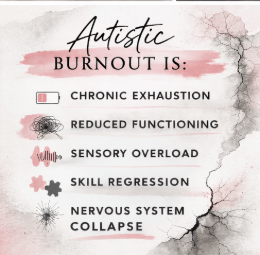
    Autistic burnout might worsen POTS symptoms, as both conditions can strain the body’s energy levels and coping mechanisms. Stress and fatigue from burnout may heighten POTS-related symptoms like fatigue and dizziness.

    Are there joint conditions that are frequently reported in individuals both with autism and POTS?

    Joint hypermobility is often reported in those with both autism and POTS, suggesting a possible connection. Conditions like Ehlers-Danlos Syndrome are notable for affecting both groups, impacting joint health and mobility.

  • Why “Connect and Pitch” is a Bad Strategy on LinkedIn: A Cautionary Tale Featuring “John”

    Why “Connect and Pitch” is a Bad Strategy on LinkedIn: A Cautionary Tale Featuring “John”

    Let’s be real for a second. LinkedIn is supposed to be the professional equivalent of a dinner party—polite introductions, meaningful conversations, and maybe a connection or two. So, when someone treats it like a cold-calling free-for-all, it’s like they showed up, skipped the niceties, and started selling Tupperware.

    Cue “John.” John is the embodiment of everything wrong with the “connect and pitch” strategy. Here’s our delightful interaction, broken down for your amusement and education: (The names and some information have been changed or X’d out to protect the—ahem—innocent).

    John:

    Hey Jill,

    Great to connect.

    Reason for the message is I already work with quite a few [XXXX]. I’m a [XXXX] who specifically works with [XXXX] to burn up to 30 lbs of body fat, [XXXX], and increase [XXXX] in 90 days without fad diets or living in the gym.

    I would love to see if I can hook you up with some free trainings on how they’re burning up to 30lbs of body fat, increasing their [XXXX], and [XXXX] levels.

    Lemme know below if you’re open to it (totally cool either way).

    Have an awesome day,

    John

    Me:

    Radio silence. Because, you know, I’m a busy, career-driven individual. Scratch that. I’m a frazzled autism momma doing it solo, desperately trying to switch career paths in my late 50’s, who doesn’t have time for unsolicited pitches.

    John (a few days later):

    Just bumping this up to the top of your inbox in case you forgot to reply?

    Me:

    I didn’t forget to reply, John. I didn’t want to reply. I dislike it when you can’t even be bothered to establish a relationship or find out what I’m all about before hitting me up for my business. No warm-up there at all and certainly no reciprocity.

    (I know, I know, I was harsh…but I’m just so tired of these kinds of interactions…and I should point out, it’s 90% men who do this. Coincidink? Me thinks not…but I digress).

    John:

    Hey Jill, never asked for business, was simply offering free resources. And I do build a relationship with those I do who appreciate the help, as I obviously can’t help anyone unless I get to know them and their situation better, which you were closed off to doing, which is no problem at all. All the best!

    Me (fully done with John’s nonsense):

    John, where do I even begin?

    First, if I’ve learned anything in life, it’s that nothing is free.

    Second, why would you reach out with the assumption I needed to lose weight?

    Third, we both know that your approach is the epitome of the connect and pitch, which is just tacky and spammy. I’ve included a link to an article explaining why this strategy is a bad idea: Connect and Pitch Is As Low As You Can Go On LinkedIn

    Fourth, trying to gaslight me into thinking that wasn’t your intention is not a good look… and yes, that was gaslighting.

    Fifth, I’m a level 4/5 master coach with 30 years of experience training elite athletes. I’ve got an honours degree in kinesiology and have spent three decades learning about energy systems, sports injuries, on and off-ice training, nutrition, etc.

    Perhaps if you had gotten to know me before pitching me, you might have known that.

    You sound like a smart, driven, accomplished person. Please take this as feedback on how to approach new prospects in a way that will serve you better and not appear so spammy.

    Seriously, it turns people off—especially women like me. And if I’m your target market, I’ve just given you some valuable insight. 

    Take it or leave it.

    Why the “Connect and Pitch” Strategy is a Lose-Lose (Starring John’s Final Reply)

    Ah, John. He couldn’t resist one last parting shot to truly drive home why the “connect and pitch” strategy is a universal turnoff. Let’s add his grand finale to our cautionary tale:

    John:

    Thanks for your response, Jill! To be honest, you’re the first person it’s turned off, so I’ll continue to take my business advice from my trusted business mentors. And again, yes, I’m offering free resources and trainings.

    Let’s pause for a second. This response is the chef’s kiss of dismissive backpedalling. But before we dissect the flaws, let’s address this whole “free resources” argument.

    Why “Free” Isn’t Actually Free

    John’s insistence that he’s offering something “free” might sound altruistic, but let’s not kid ourselves—it’s Marketing 101. Free resources are a lead generation tactic designed to build trust, showcase expertise, and eventually convert prospects into paying customers. It’s not inherently bad—when done right, it can provide real value.

    But here’s the catch: If you push these resources before building any trust or understanding, it reeks of insincerity. John’s foot-in-the-door approach might work on some, but for others—like me—it comes across as disingenuous and manipulative.

    Addressing John’s Final Defense

    1. “You’re the first person it’s turned off…”

    Sure, John. I’m the lone outlier in a sea of delighted recipients. Or maybe I’m just the first person to tell you directly that this tactic is irritating. Most people would ghost or block you instead of bothering to give constructive feedback.

    2. “I’ll continue to take my business advice from my trusted mentors…”

    Translation: “I’m dismissing your valid critique because it doesn’t align with my current strategy.” Cool, John. Just remember that even trusted mentors can be wrong sometimes, especially if they’re peddling outdated or spammy approaches.

    3. “Yes, I’m offering free resources and trainings…”

    And yes, we all know what that really means: “I’m offering free resources to hook you into my sales funnel.” Again, nothing wrong with this strategy if it’s done with authenticity and respect for the other person’s time and needs.

    Why This Approach Fails (Again)

    John’s refusal to acknowledge my feedback illustrates exactly why “connect and pitch” falls flat:

    • It’s One-Sided: He’s not open to hearing constructive criticism. If you’re unwilling to adapt, you’re limiting your potential to improve.
    • It Undermines Credibility: Doubling down on a questionable strategy doesn’t inspire confidence.
    • It’s Short-Sighted: Burning bridges with one potential connection to defend a flawed tactic is a loss in the long run.

    The Final Lesson

    “Free” is never really free, and everyone knows it. Offering resources isn’t the issue—plenty of people genuinely appreciate helpful content. The problem lies in the delivery. If you shove your resources at someone without first building trust or understanding their needs, it feels like a bait-and-switch.

    To all the Johns out there: If your strategy depends on flooding people’s inboxes with generic pitches, maybe take a step back. Listen to feedback. Adapt. Because let’s be real: For every person who tolerates your approach, there are probably ten others rolling their eyes and clicking “unfollow.”

    As for me, I’ll keep building connections the old-fashioned way—with sincerity, respect, and maybe even a little humour. And John? I sincerely hope he takes this as the tough love it’s meant to be.

    Let me know your thoughts—especially if you’ve had your own “John” encounter. Together, we can make LinkedIn a little less cringe-worthy and a lot more authentic.

    — Jill

  • Understanding ARFID: A Guide for Parents

    Understanding ARFID: A Guide for Parents

    Ever tried convincing a cat to take a bath? That’s what mealtime felt like with my daughter. For years, I chalked up her eating habits to typical picky eating. There was the year she would only eat Microwave Kraft Dinner, not regular Kraft Dinner—and it had to be the “Three Cheese” variety, not the regular one, followed by the year of hotdogs, cheese strings and chicken nuggets. 

    You get the idea. Little did I know, we were grappling with Avoidant/Restrictive Food Intake Disorder (ARFID), a condition that turned our dining table into a battlefield.

    What is ARFID? Understanding the Disorder Beyond Picky Eating

    So, what’s ARFID? Imagine a world where food isn’t just unappealing—it’s downright terrifying. Unlike your average picky eater who might turn their nose up at broccoli, individuals with ARFID experience intense anxiety around certain foods, leading to a severely limited diet. It’s not about being difficult; it’s about genuine fear and discomfort. 

    For my daughter, the “feel” or texture of specific foods, their smells, spiciness, or even temperatures can cause feelings of revulsion, which often leads to gagging, throwing up, and tears.

    Debunking Myths: ARFID vs. Picky Eating – What’s the Difference?

    Let’s set the record straight: picky eating is a phase; ARFID is a disorder. Picky eaters might refuse spinach today and devour it tomorrow, or they will give in with time and persistence. Those with ARFID have a consistent aversion that can lead to nutritional deficiencies and social challenges. 

    It’s not a choice or a quirk—it’s a serious issue that needs understanding. And for the love of the goddess, don’t blame the parents and suggest they should force-feed their children. It might work in the short term, but you’ll only be adding to their trauma and anxiety and creating more problems in the long run. Oh, and they’ll likely never trust you again…so there’s that.

    From Kitchen Nightmares to Lightbulb Moments: Recognizing ARFID in Children

    Picture this: I subscribed to a fancy cooking kit, thinking exotic recipes mailed to our doorstep each month would entice her. Spoiler alert—she loved cooking but wouldn’t touch the food. After countless failed attempts and a mountain of uneaten meals, the lightbulb finally went off: This wasn’t just picky eating; it was something more. Here are some signs your child might have ARFID:

    • Menu Monotony: If your kid’s diet makes a monk’s look adventurous, sticking to the same few foods day in and day out, it might be ARFID.
    • Nutritional Nosedive: Noticing your child looking more like a wilted lettuce than a vibrant veggie? Fatigue, dizziness, or stunted growth could be red flags.
    • Weight Woes: If the scale’s stuck or moving backward despite your best efforts, and your child isn’t growing as expected, it’s worth a closer look.
    • Sensory Snubs: Does your child treat certain textures, tastes, or smells like they’re toxic waste? This extreme aversion isn’t just being fussy.
    • Fear Factor: Is your child convinced that eating will lead to choking, vomiting, or other disasters, even without past trauma? That’s more than just nerves.
    • Mealtime Meh: If getting your child to eat feels like pulling teeth, and they show zero interest in food, it’s a sign something’s up.
    • Social Sidestep: Avoiding birthday parties or family dinners because of food? When eating habits start dictating social life, it’s time to pay attention.

    The Emotional Rollercoaster: Coping with ARFID and Autism in the Family

    Navigating ARFID alongside autism? It’s like juggling flaming swords while riding a unicycle. The constant worry about her health, coupled with unsolicited advice from well-meaning (but clueless) folks, was overwhelming. But understanding that her eating habits weren’t a choice allowed me to approach mealtimes with empathy and a dash of humour. Here’s a list of more challenges faced when your kiddo has ARFID:

    1. Lunchbox Dilemmas: Managing ARFID in School Settings

    Packing lunch became a daily game of “Will She Eat It?” Spoiler: she usually wouldn’t. The fear of her going hungry or facing judgment from peers was ever-present. Collaborating with school staff to ensure she had access to safe foods was essential, even if it meant becoming “THAT” parent. 

    And the constant reminders to sign up and pay for pizza day? Why spend money when it’s not the specific type of pizza she’ll eat? That’s one good thing about ARFID: you’ll spend less on hot lunches at school.

    2. Sleepover Survival Guide: Preparing for ARFID Away from Home

    Sleepovers should be fun, right? Not when you’re packing a cooler full of “safe” foods and giving other parents the ARFID 101 crash course. Explaining her eating habits often led to raised eyebrows and awkward silences. But hey, at least she didn’t starve. And she got some much-needed social interaction, although THAT didn’t always go as planned. But that’s a topic for another blog.

    3. Growth Charts and Grocery Lists: The Health Impact of ARFID

    Her limited diet had me on a first-name basis with her pediatrician. And that wasn’t necessarily a good thing since I didn’t really like the man, and he most certainly didn’t like me. That’s another thing you’ll find as you balance the many nuances of autism parenting and co-existing conditions like ARFID. Often, you’ll know more about your kiddo and their struggles than the “supposed” experts. 

    This can be infuriating. 

    Luckily, I had specialists to fall back on, and their support and validation gave me the strength I needed to fire him. Trust me, that was the right decision, and our GP stepped in and is doing a fantastic job—all without the constant old-school and somewhat sexist judgment from his predecessor.

    Monitoring your child’s growth and ensuring she got the necessary nutrients when dealing with ARFID felt like a full-time job. When your kiddo only eats a specific brand of her “approved” foods, shopping trips often become scavenger hunts, requiring trips to three or four different stores to make sure you can find everything she’ll eat.

    Regular check-ups and consultations became our norm, highlighting the importance of the right kind of professional guidance in managing ARFID.

    Trial and Error: Our Attempts at ARFID Management

    I tried it all: tough love, sensory play, and bribery (don’t judge). Some methods brought small victories; others were epic fails. The journey was a rollercoaster of hope and frustration, teaching me that progress isn’t linear and that sometimes, you just have to laugh to keep from crying. Here are some strategies recommended by experts that worked (and didn’t) for us.

    • Baby Steps with New Foods: Introduce new foods at a snail’s pace. Start with a microscopic nibble and gradually work up to a full bite. Rome wasn’t built in a day, and neither is a diverse palate.
    • Sensory Shenanigans: Turn mealtime into a sensory playground. Let your child squish, sniff, and even play with food. Engaging their senses can make unfamiliar foods less intimidating.
    • Routine Rules: Establish a mealtime routine that’s as predictable as your morning coffee (or hot chocolate for my fellow coffee haters). Consistency can create a safe space for your child to explore new foods without the element of surprise.
    • Positive Vibes Only: Celebrate every tiny victory like they’ve won an Olympic medal. Positive reinforcement can encourage more adventurous eating. Just remember, no pressure—nobody likes a food drill sergeant.
    • Therapy Tag-Team: Consider enlisting the help of a professional, like a feeding therapist or psychologist. Sometimes, it takes a village—or at least a trained expert—to navigate the ARFID maze.

    We’ve tried everything mentioned above, some with more success than others. For us, a mealtime routine and a specific place to eat worked wonders. Incorporating her preferred foods into balanced meals or forcing her to try new foods? Not so much. This resulted in spending money I didn’t have on food that got wasted.

    Throughout the process, I learned that patience, positive reinforcement, and a well-timed joke worked wonders. And when all else failed, McDonald’s was a reliable backup.

    Walk a Mile in Our Shoes: Seeking Empathy for Families Facing ARFID

    Living with ARFID is like navigating a minefield blindfolded. Judgment and unsolicited advice only add to the challenge. A little empathy goes a long way. Before you suggest “just making her eat,” try understanding the complexities we face daily.

    Support isn’t about offering solutions; it’s about listening without judgment. Educate yourself about ARFID, offer a helping hand, or simply be there. Creating an inclusive environment where individuals feel understood and accepted is invaluable. Trust me, after years of raising a kiddo on the spectrum, this kind of acceptance is still hard to find, yet it is so appreciated.

    Reflecting on Our ARFID Journey: Lessons Learned and the Road Ahead

    Our journey with ARFID has been a mix of tears, laughter, and a lot of McDonald’s takeout. (I can feel you judging me—stop it)! Understanding the disorder empowered me to advocate for my daughter and seek appropriate support. It’s a continuous learning process, but one filled with hope and resilience.

    Sharing our story is a step toward building a community of support and understanding. I invite others to share their experiences, ask questions, and foster a compassionate dialogue around ARFID and its impact on families. Let’s navigate this journey together, one bite at a time.