Tag: ADHD

  • You’re Not Listening to Her: A Medical Advocacy Story

    You’re Not Listening to Her: A Medical Advocacy Story

    This blog is a tag-team effort between me and AI—think of it as my over-caffeinated intern who spits out ideas while I handle the heavy lifting. I research, fact-check, edit, and fine-tune everything to make sure it sounds like me (not a robot with a thesaurus). AI helps with the grunt work, but the heart, style, and final say? That’s all me, baby.

    I want to tell a story about what happened to my daughter and me in the Canadian healthcare system, because I know we’re not alone. I’ve changed all the names for anonymity, but the story is, sadly, all too real.

    The Pediatrician We Trusted…At First

    Years ago, I was referred to a pediatrician for my daughter Ava. At the time, she was around six and suffering from chronic stomach pain, constipation, recurring croup, and constant anxiety related to school. 

    She had nightmares, meltdowns, and was being ostracized and bullied. I knew something deeper was going on. I didn’t have the words “autism” or “ADHD” yet, but my mom gut told me she was different—and struggling.

    Our pediatrician—we’ll call him Dr. McLecturepants—was very knowledgeable. Ava liked him. He was good at addressing her physical health issues. He took things seriously, referred us to specialists, and was often thorough. 

    But there were red flags. 

    Dismissed, Doubted, and Lectured

    Early on, I was struggling to get Ava to take medication. What I now know is ARFID, sensory aversion, and autistic rigidity was, back then, just a nightmare every time I had to administer meds. 

    Meltdowns, sobbing, trauma for both of us. 

    When I asked for help, he didn’t offer compassion. He gave me a five-minute lecture on how I needed to “take control” and “stop letting her run the show.” It was humiliating. I left feeling like a failure.

    From then on, I was nervous around him. I often wondered, would he speak to me this way if a man were in the room? I was a single mom. White. Tired. Not wealthy. He was a male doctor with a strong accent—possibly Middle Eastern—and although I didn’t want to bring culture or bias into it, I couldn’t ignore the power dynamic. 

    I wrestled with myself for even thinking that cultural background might play a role — not because I wanted to stereotype him, but because I’ve lived long enough to know that gender dynamics can be shaped by upbringing, culture, and society. Still, I sat with the discomfort of that thought and tried to focus on what I knew: I felt talked down to, and I didn’t feel respected.”

    I felt small. 

    Like I was being treated as a hysterical mom, not a capable one.

    Homeschooling: The Best Decision We Made

    When school became unbearable for my daughter, I started researching homeschooling options. It wasn’t a knee-jerk decision. I consulted experts (including a clinical psychologist), read studies, and made spreadsheets. I also began compiling information about ADHD and neurodivergence, trying to be prepared to make my case.

    Dr. McLecturepants dismissed homeschooling outright. Didn’t want to hear about the trauma Ava was experiencing. Didn’t care that her nightmares and pain disappeared within two weeks of being pulled from school. 

    He continued to disapprove, even when I brought up ADHD. That, at least, he was more receptive to, but the lectures didn’t stop. I kept going back because he was knowledgeable about ADHD, and I thought I needed that.

    Rather, I thought my daughter needed that, and I should just shut up and deal.

    The Diagnosis Battle

    But when I brought up autism? He shut it down. Said she couldn’t be autistic because she made eye contact. (Yes, really. Hello, 1955 called and they want their scrubs back)

    Eventually, I demanded a referral. I gave him research. I asked for a specific autism specialist recommended by a trusted friend. 

    McLecturepants reluctantly referred us, but warned me the doctor “diagnosed everyone” and other professionals didn’t like him. I couldn’t believe he was dragging me into some petty professional rivalry when my daughter’s health was on the line.

    The diagnosing doctor met with my daughter, gave a comprehensive evaluation, and said, “Yes. She’s autistic.” 

    I went through ALL the feelings that day—IYKYK—but one of the ones I never expected to feel was validation. Someone else finally listened to me and I wasn’t crazy, which is what my pediatrician had been making me feel like. 

    The specialist did say kiddo might not have ADHD, but I trusted my gut—because comorbidity is common, and I’d done the reading. I was more worried that McLecturepants would react poorly when he read the report, particularly the part about the specialist disagreeing with his diagnosis. 

    It’s not fun to feel you’re caught in a pissing match between two health “professionals,” which only magnified my feelings of “walking on eggshells” with McLecturepants.

    The Funding Form Fiasco

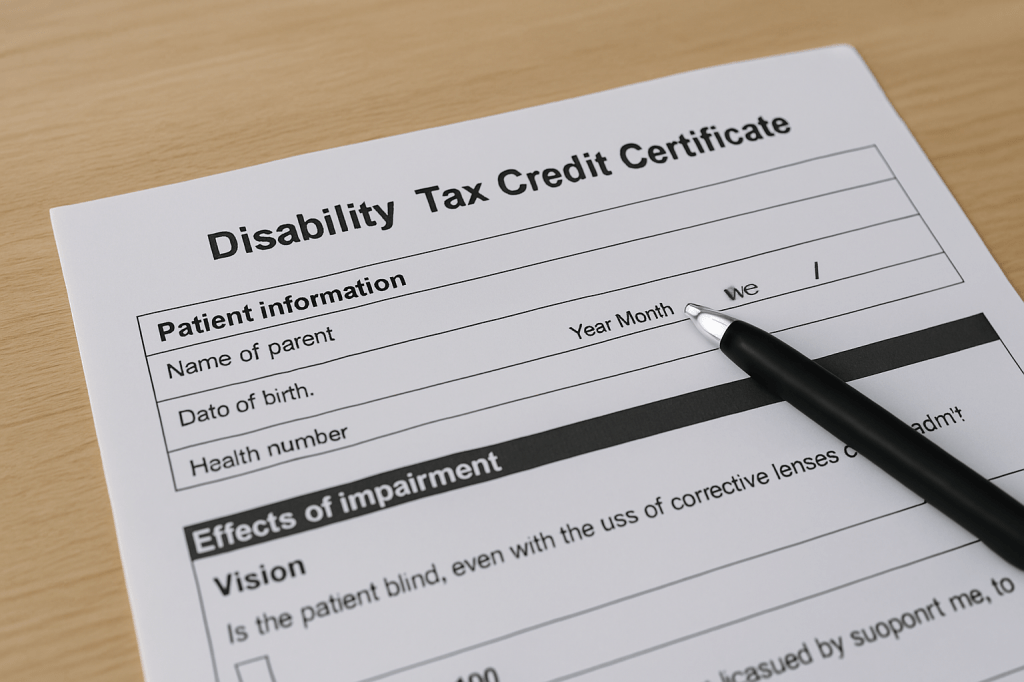
    Fast forward. The Disability Tax Credit needed renewing. We’d been working with a phenomenal ASD counsellor who’d seen Ava regularly and knew the extent of her challenges. The DTC forms went to Dr. McLecturepants. I was told it would take months to fill them out.

    I got emotional. After all, it was our only funding, given we’ve been on waiting lists for years with the Ontario Autism Program and Special Services at Home. (I’m looking directly at you, Doug Ford).

    McLecturepants ended up filling them out quickly over the holidays, which I appreciated—until I read them. He’d minimized kiddo’s struggles. Downplayed how much support she needs. Even checked the box saying her deficits would likely improve over time—as if autism isn’t a lifelong neurotype.

    When I first read what the pediatrician had written, I questioned everything about my reality. Maybe it wasn’t that bad? Maybe I was exaggerating, and making too much out of our struggles. Maybe there was something wrong with ME that I couldn’t handle the extra work required for my daughter?

    Thankfully our counsellor, who at this point had been visiting with my daughter and I for over a year, twice monthly for an hour at a time, also expressed her shock and surprise at how inaccurately Dr. McLecturepants had characterized our daily struggles.

    I was heartbroken. I drafted a letter—respectful, clear, and shared with our counsellor and friends for feedback. After all, I didn’t want to provoke another lecture. I didn’t want to make things worse, or insult our pediatrician’s professionalism, or god forbid, challenge him or hurt his ego.

    I brought in observations from myself, her grandparents, coaches, teachers—any adult in Ava’s life. I asked him to reconsider.

    He refused. Told his receptionist he wouldn’t change it. So I made an appointment. 

    Enough is Enough

    This time, the gloves were off, and I knew the advocate (me) needed an advocate.

    So I brought my mom—who never takes my side in these things; after all, I’m too outspoken, too sensitive, too…(you get the drift).

    But this time she came, because I needed backup. It meant so much to me that she did that, even though I could see she didn’t believe it was as bad as I said it was.

    When we tried to explain, he talked over us. 

    Not once, not twice. 

    Repeatedly. 

    McLecturepants wouldn’t acknowledge the fact that we might have a better understanding of the difficulties my daughter has every day. My mom—stoic, practical, no-nonsense—who never speaks up and hates confrontation, actually shouted: “You’re not listening to her!” after he cut me off yet again.

    That’s when I stood up and said: “We’re done. You’ve lectured me for years. Dismissed me. Put me in the middle of conflicts with other doctors. I believe you’ve treated me differently because I’m a woman, and I don’t feel safe bringing my daughter here anymore.”

    We left.

    One Final Violation 

    I picked up kiddo’s files a week later. On my way to our counsellor’s office, I noticed something strange. Mixed into Ava’s files were records for another child. Operations, procedures—stuff my daughter had never had. A huge privacy breach. I returned them immediately, because that’s what I’d want another parent to do if it were my child’s info. 

    But wow. 

    Just wow. 

    This from the office of a doctor who’d been lecturing me for years about MY incompetence as a mom?

    Blacklisted for Speaking Up

    We’ve been seeing our GP ever since. Lately, I’ve been researching other possible underlying conditions—things like hypermobility, POTS, immune dysfunction—and brought them up with our GP, who was amazing and agreed to help. He referred us to another pediatrician in our town.

    I didn’t realize this pediatrician was at the same office as Dr. McLecturepants. You can imagine the surprise when their office called to schedule the appointment. Still, I knew I would have a longer wait for a pediatrician from other, larger centers, so I agreed to the appointment.

    Why would I go back?

    If you’ve ever had a sick child, you’ll understand that all you care about is making their quality of life better.

    And then, today, after picking up my daughter from school, a call came in from our GP’s office, which I took over our hands free, thinking it was about my upcoming blood tests. 

    We’d been rejected. Well, technically the word they used is, he has “declined.”

    The new doctor wouldn’t take us as patients because of my “issue” with the previous pediatrician. And my daughter heard every word of that rejection.

    The message was clear: they stick together.

    This is what it’s like to advocate for a neurodivergent child in the medical system as a single mom.

    No one’s listening.


    Backing it Up: What the Research Says

    Sexism in the Medical Profession:

    • A 2022 study published on “Women’s Experiences of Health-Related Communicative Disenfranchisement,” found that women are more likely to report feeling dismissed, not believed, or condescended to by medical professionals.
    • Female patients, especially mothers, often get labeled as “anxious” or “overreacting” when advocating for their children, leading to delayed diagnoses and interventions.

    Bias Against Single Mothers:

    • Single mothers are statistically more likely to be perceived as less competent parents by both professionals and the public.
    • These biases can lead to increased scrutiny, less support, and more judgment in medical and educational settings.

    Challenges of Advocating for Autistic Children:

    • Parents often report having to fight for recognition of their child’s needs, with many diagnoses being delayed due to outdated stereotypes like “they make eye contact.”
    • Autistic girls and children with Level 1 Autism (formerly known as Asperger’s) are often underdiagnosed due to masking and lack of understanding by professionals. 

    Privacy and Confidentiality in Canada (PHIPA):

    • The Personal Health Information Protection Act (PHIPA) mandates that healthcare providers protect the confidentiality of all patient information.
    • Sharing or misfiling another child’s medical information, even accidentally, is a breach under this act and can be reported to the Information and Privacy Commissioner of Ontario.

    Medical Ethics & Gatekeeping:

    • Physicians are ethically bound to advocate for patient welfare and make decisions free from personal bias or inter-professional politics.
    • Refusing care to a child based on a parent’s disagreement with another doctor raises serious ethical concerns about bias, access to care, and professional conduct.

    Why Parents Shouldn’t Be Penalized for Speaking Up:

    • Advocacy is not aggression. Speaking up about misdiagnosis, misrepresentation, or mistreatment should never result in being blacklisted.
    • Punishing parents for advocating silences necessary voices and puts children’s care at risk.

    This is my story. It’s also the story of so many parents out there who’ve been dismissed, condescended to, or penalized for doing what they’re supposed to do: protect and advocate for their child.

    We shouldn’t have to shout to be heard. But sometimes we do. And when we do? We deserve to be listened to.

    April is World Autism month. Do your part. Speak up. Advocate. Scream. Pound your fists. Or better yet, write a blog and call the assholes out.

  • Hypermobility, Autonomic Disorders, and Autism: Unraveling the Connections

    Hypermobility, Autonomic Disorders, and Autism: Unraveling the Connections

    AI lends a hand in drafting parts of this article, but I do the heavy lifting—researching, editing, and ensuring the message is clear, accurate, and aligned with my vision. Think of AI as my brainstorming buddy, but the final say (and human touch) is all mine.

    Ever heard of hypermobility, autonomic disorders, or autism? They might seem like totally different things, but guess what? They’re actually connected! It’s like a puzzle where these conditions often fit together.

    Think of it this way:

    • Lots of people with autism also have hypermobility (that’s when your joints bend more than usual).
    • And sometimes, people with hypermobility also have autonomic disorders (that’s when your body’s automatic systems like heart rate and digestion don’t work properly).

    So, what does this all mean? It means that understanding how these conditions relate to each other can help us find better ways to support people who experience them.

    Understanding Hypermobility

    Hypermobility is when your joints can move way past the normal range—think of it as being super flexible. This happens because the connective tissue that holds your joints together is different, usually looser, or weaker, or both.

    Definitions and Types

    Joint hypermobility means your joints can move past the usual range—sometimes way past it. For some people, it’s just how their body is built, but for others, it’s linked to genetic conditions like Ehlers-Danlos Syndrome (EDS). There are a few different types of EDS, but the most common one is Hypermobile Ehlers-Danlos Syndrome (hEDS).

    When multiple joints are extra bendy, it’s called generalized joint hypermobility. One common way to check for it is the Beighton score, a quick test that looks at how far you can bend things like your fingers, elbows, or knees. If you’ve ever been told you’re “double-jointed,” this might be why!

    Recognizing Symptoms

    So, you’re probably asking yourself, “how do I know if my kind of ‘bendiness’ is normal?” Well, if it’s more than just being bendy—like if you’re dealing with joint pain, frequent dislocations, or other weird body quirks—it might be worth looking into. You may have Joint Hypermobility Syndrome (JHS).

    And it’s not just about your joints. Some people with hypermobility also have super soft or stretchy skin, plus fun extras like digestive issues and fatigue (because why stop at just one challenge, right?). Spotting these symptoms early can help you get ahead of things and manage them better.

    Diagnosis of Joint Hypermobility Syndrome

    Getting diagnosed with JHS isn’t just about being extra bendy—your doctor will look at your medical history, do a physical exam, and probably check your Beighton score (yep, that test we mentioned earlier).

    But let’s be real—you might have to push for more thorough testing. As we’ve already stressed, hypermobility can be linked to other conditions, like EDS, which sometimes requires genetic testing to confirm. For example, the TNXB gene is one that might get checked to help understand the genetic side of EDS.

    Getting the right diagnosis is a game-changer—it helps you manage symptoms better and avoid potential complications down the road.

    Understanding Autonomic Disorders

    Just when you things weren’t complicated enough, we’re going to throw autonomic disorders into the mix. I know, I know! But stay with me, I promise I’m going somewhere with this.

    Autonomic disorders mess with the part of your nervous system that handles all the behind-the-scenes stuff—like keeping your heart beating and your digestion running smoothly—without you even thinking about it. When things go wrong, it can lead to symptoms like dizziness, chronic fatigue, and stomach issues. And if you throw hypermobility into the mix? Those problems can hit even harder.

    Introduction to Autonomic Dysfunction

    Autonomic dysfunction happens when your autonomic nervous system—aka the body’s autopilot—doesn’t do its job properly. This system handles all the stuff you don’t have to think about, like breathing, keeping your heart beating, and digesting food. When it’s out of whack, you can end up dealing with dizziness, insomnia, and some seriously annoying digestive issues.

    Chronic fatigue is another common symptom of autonomic dysfunction, often leaving you feeling tired no matter how much you rest. These symptoms can seriously affect your day-to-day life, making it hard to focus at school or work and impacting your social life. Learning to manage these symptoms often involves both medical treatments and lifestyle changes.

    Co-occurrence with Hypermobility

    Hypermobility—aka super flexible joints—often goes hand in hand with autonomic disorders. If you’ve got both, you might notice overlapping symptoms like dizziness and fatigue, which can make it feel like your whole body is out of sync.

    Digestive issues, like constipation or IBS, are also pretty common with both conditions, adding another layer of discomfort to everyday life. The more you understand the connection between hypermobility and autonomic dysfunction, the better you can find treatments that tackle both at the same time.

    Managing it all usually takes a mix of medication, physical therapy, and lifestyle tweaks to help you feel more in control and improve your quality of life.

    Hypermobility and Autism Connection

    Hypermobility and autism tend to go hand in hand, and it’s not just a coincidence. There are a lot of overlapping traits—like sensory sensitivities, certain behaviors, and unique ways the brain processes things. Knowing how they connect can make everyday life a little easier and help set realistic, supportive goals that actually work for you.

    Common Traits and Co-occurrence

    Hypermobility shows up a lot in autistic people—some studies say up to 80% might have it. Both come with similar traits, like heightened sensory awareness and unique reactions to the world around them. Basically, they overlap in ways that can shape how someone experiences daily life.

    Anxiety and depression are also pretty common in this group, likely because of all that extra sensory input and cognitive overload. If you’ve got both hypermobility and autism, everyday tasks can feel even more overwhelming, cranking up stress and sensory overload. But figuring out ways to manage these shared traits can make a huge difference in feeling more comfortable and in control.

    Implications for Daily Life and Development

    Living with both hypermobility and autism comes with some unique challenges that can impact daily life. Here’s how:

    • Physical difficulties – Joint instability can make movement tough, leading to issues with balance and coordination. This can make sports or even basic activities harder and might require customized physical support.
    • Developmental impact – Learning environments can be tricky, with some kids needing specific strategies to help with focus, motor skills, or sensory processing.
    • Additional health challenges – Conditions like eating disorders or epilepsy sometimes show up alongside hypermobility and autism, adding extra layers of difficulty to daily routines.
    • Personalized support is key – Tailored approaches—whether through therapy, accommodations, or understanding caregivers—can make all the difference in creating a supportive, functional environment.

    Figuring out what works best for you can help make life more manageable and improve overall well-being.

    Management and Support for Hypermobility and Associated Conditions

    Managing hypermobility usually takes a mix of therapies, mental health support, and lifestyle adjustments. Each piece plays a big role in making daily life easier and keeping symptoms in check.

    Therapies and Rehabilitation

    • Physical therapy is a game-changer when it comes to improving motor control and core strength. A good therapist will tailor exercises to help strengthen the muscles around your hypermobile joints, which can make a huge difference in posture and reducing chronic pain.
    • Occupational therapy is all about making daily life easier. It can teach you energy-saving techniques to help manage fatigue and keep you from burning out so quickly. Plus, regular exercises can improve proprioception (aka your body’s ability to know where it is in space), which helps reduce injuries and those frustrating missteps.
    • Talking to rehab specialists can also help you find solid pain management strategies—because dealing with discomfort every day is exhausting, and having the right techniques can make all the difference.

    Navigating Psychological Aspects

    Hypermobility and anxiety tend to go hand in hand, and dealing with both can be a lot. Recognizing the emotional toll is just as important as managing the physical side of things.

    • Therapy and support groups: Talking to a therapist who understands anxiety (and how it connects to hypermobility) can be a game-changer. Support groups can also help, especially if you’ve ever felt left out or misunderstood because of your symptoms.
    • Mindfulness and stress relief: Practices like meditation, deep breathing, or gentle movement (like yoga) can help with relaxation and keep stress levels in check.
    • Open communication: Being upfront with your therapist about what’s working (and what’s not) can help them tailor strategies that actually fit your life.
    • A solid support system: Surrounding yourself with understanding family, friends, or even an online community can make all the difference. Having people who get it and encourage you can help you navigate the tough days.

    Emotional health is just as important as physical health, and finding the right mix of coping strategies, support, and self-care can make everything feel a little more manageable.

    Lifestyle Modifications and Support Systems

    Making small lifestyle tweaks can have a huge impact on how you feel day to day.

    • Fuel your body right: Eating a balanced diet can help support your overall health (because let’s be real, running on caffeine and vibes only gets you so far).
    • Listen to your body: If fatigue is hitting hard, pacing yourself and scheduling rest breaks can keep you from crashing and burning.
    • Know your history: If joint hypermobility syndrome (JHS) runs in your family, being aware of it early can help you get ahead of potential issues.
    • Build your support squad: Whether it’s doctors, therapists, family, or friends, having people who get it makes all the difference. Surround yourself with folks who support you, not ones who tell you to “just stretch more” (because, yeah… that’s not the problem).

    The key is finding what works for you—a mix of nutrition, pacing, knowledge, and support that helps you feel as good as possible while managing hypermobility.

    Frequently Asked Questions

    The connection between hypermobility, autonomic disorders, and autism is complicated—like trying to untangle a bunch of charging cables from the bottom of your bag. This section dives into how these conditions overlap, affect each other, and what current research has to say about it. Spoiler: It’s all connected in ways we’re just beginning to understand.

    What’s the connection between joint hypermobility and autistic traits?

    Researchers have picked up on a connection between joint hypermobility and autism. Some studies suggest shared genetic factors might be at play, but there’s still a lot we don’t know. More research is needed to fully untangle how these two conditions are linked—but the connection is definitely there.

    Can autism impact your body’s autonomic functions?

    Yep, autism can absolutely affect autonomic functions. Some autistic individuals deal with things like orthostatic intolerance—which basically means their body struggles to regulate blood pressure and heart rate when they stand up. It’s like their nervous system didn’t get the memo on how to adjust properly, which can lead to dizziness, lightheadedness, or even feeling like they might pass out.

    Are folks with autism more likely to have hypermobile joints?

    People with autism are more likely to have hypermobile joints, though science hasn’t fully figured out why yet. The leading theory? Genetics. There’s a good chance that both conditions share some genetic factors, but researchers are still working on connecting all the dots.

    How might hypermobility affect behaviour in people with autism?

    Hypermobility can come with a side of pain and discomfort, and for autistic individuals, that can have a big impact on behavior and emotions. When your body hurts, it’s no surprise that anxiety and stress can ramp up, making everyday tasks and social interactions even more challenging. It’s not just about being extra flexible—it’s about how those physical challenges affect everything else in daily life.

    What are the sensory issues linked to hypermobility in those on the autism spectrum?

    Sensory issues are a big deal for people with both hypermobility and autism. Things like touch, sound, or light can feel way more intense than they do for others, making certain environments totally overwhelming. This is why having coping strategies—like noise-canceling headphones, dim lighting, or comfy clothing—can make a world of difference in navigating daily life.

    Wrapping It All Up: Understanding, Managing, and Advocating

    So, what’s the takeaway from all of this? Hypermobility, autonomic disorders, and autism are deeply connected, and understanding these links can make a huge difference in how we manage them. Whether it’s pain, fatigue, sensory challenges, or anxiety, recognizing how these conditions overlap helps in finding better support, treatment, and strategies for everyday life.

    Managing these conditions isn’t just about doctor visits and therapy (though those help!); it’s also about self-advocacy, pacing yourself, and building a strong support network. And let’s be real—sometimes, just knowing you’re not alone in this can be a game-changer.

    If you’re looking for ways to advocate for neurodiversity and celebrate the unique ways our minds and bodies work, check out BellaZinga! Our store is all about spreading awareness, embracing differences, and celebrating neurodivergence with fun, meaningful designs. Because at the end of the day, the more we understand, support, and uplift each other, the better life gets for all of us.

    Let’s keep the conversation going—because neurodiversity deserves to be seen, heard, and celebrated! 💜

  • POTS and Autism Comorbidity: Understanding the Connection

    POTS and Autism Comorbidity: Understanding the Connection

    This article is the result of a unique collaboration between advanced AI tools and my own expertise. While AI assists with generating ideas, research, and drafting content, every piece is carefully reviewed, fact-checked, and refined by me to ensure a consistent tone and professional insight. It’s a blend of technology and human touch, working together to deliver informed and polished content

    Understanding the connection between autism spectrum disorder (ASD) and postural tachycardia syndrome (POTS) can be key in enhancing daily life for many affected by these conditions. POTS and autism often occur together, which may complicate diagnosis and management but also provide insight into shared underlying mechanisms. This gives you a unique perspective on both conditions and their overlap.

    A person with POTS and autism sits in a quiet room, surrounded by sensory-friendly objects and calming colors. They hold a medical alert bracelet and a communication device

    Many people with autism experience various comorbidities, and POTS is one of them. This autonomic nervous system disorder can cause symptoms like rapid heartbeat and dizziness when standing up. Recognizing how these conditions interplay is essential for improving diagnostic accuracy and enhancing individualized care strategies.

    The overlapping symptoms of autism and POTS can impact day-to-day activities, influencing both social interactions and physical well-being. Effective management involves understanding the complex relationship between them and developing targeted interventions to improve quality of life.

    Key Takeaways

    • POTS and autism often co-occur, affecting diagnosis.
    • Understanding comorbidity helps in developing better care.
    • Treatment focuses on personalized strategies for better living.

    Understanding Autism Spectrum Disorder and POTS

    Autism Spectrum Disorder and Postural Orthostatic Tachycardia Syndrome (POTS) can often occur together, making it important to recognize and understand each condition. Keep reading to learn about the key features and challenges associated with ASD and POTS.

    Defining Autism Spectrum Disorder

    Autism Spectrum Disorder (ASD) is a neurodevelopmental condition impacting how you perceive and interact with the world. People with ASD often have differences in social communication and may engage in repetitive behaviours. Sensory sensitivities are also common, which means individuals might find certain lights or sounds overwhelming.

    Social skills can be challenging. You may find it hard to understand social cues or maintain eye contact. People with ASD might also fixate on specific interests, diving deep into topics they are passionate about.

    Routine and predictability are key themes. Changes to daily routines can cause distress. With the rising prevalence of ASD, estimated to affect nearly 2% of children, awareness and tailored support are crucial for improving quality of life.

    Characteristics of Postural Orthostatic Tachycardia Syndrome

    Postural Orthostatic Tachycardia Syndrome (POTS) is a condition where your heart rate increases substantially when you stand up. This can cause symptoms like dizziness or fainting. It’s an aspect of autonomic dysfunction, which involves problems with the autonomic nervous system.

    When standing, your blood pressure might not remain stable. Instead, there’s an increase in heart rate to compensate, causing discomfort.

    Living with POTS often requires lifestyle adjustments. Increasing fluid and salt intake can help manage symptoms. POTS can co-occur with ASD, and it’s important to address both to provide effective support.

    By understanding how these conditions intersect, you can better navigate daily life, whether you or someone you know is affected.

    Comorbidity in Autism Spectrum Disorder

    A person with Autism Spectrum Disorder sits in a doctor's office, surrounded by medical equipment and charts. The doctor discusses the comorbidity of POTS and autism with the patient

    Autism Spectrum Disorder (ASD) often presents with additional health issues. Understanding these comorbid conditions is crucial for effective management and care. Below, you’ll find a dive into the prevalence and types of conditions that commonly occur alongside ASD.

    Prevalence of Comorbid Conditions

    Many people with ASD experience other health challenges. The prevalence of these co-occurring conditions is notably higher compared to the general population. Research indicates that individuals with autism are more likely to have medical complications, emphasizing the need for comprehensive medical evaluations. Studies estimate that a significant portion of those with ASD has at least one additional condition, making early recognition and treatment essential in improving quality of life.

    Physical and Neurological Disorders

    Physical and neurological disorders are common in individuals with ASD. Conditions such as epilepsy, gastrointestinal issues, and sleep disorders frequently occur. These physical issues can impact day-to-day life, requiring careful medical attention. Epilepsy, marked by recurrent seizures, is found in up to nearly a third of people with ASD. Meanwhile, gastrointestinal problems can lead to discomfort and affect nutritional intake, necessitating specialized care and dietary adjustments.

    Psychiatric and Behavioural Comorbidities

    Psychiatric conditions often co-exist with ASD, adding complexity to diagnosis and treatment. Anxiety disorders, attention-deficit/hyperactivity disorder (ADHD), and mood disorders like depression are prevalent. These challenges can exacerbate the core symptoms of autism, making social interactions and daily activities more difficult. Effective management involves a tailored approach that addresses both autism and these psychiatric conditions, often combining behavioural therapies with medical treatment.

    The Link Between Autism and POTS

    Understanding the relationship between Autism Spectrum Disorder (ASD) and Postural Orthostatic Tachycardia Syndrome (POTS) involves examining shared factors such as genetic links and potential environmental influences. These connections can reveal why individuals with autism might be more susceptible to autonomic dysfunctions like POTS.

    Shared Etiology and Risk Factors

    Both autism and POTS are linked to issues in the autonomic nervous system, which controls bodily functions like heart rate and blood pressure. You might find that these conditions often coexist due to such autonomic dysfunction. This dysfunction can manifest as dysautonomia in both conditions, making daily activities challenging.

    Environmental factors, including pre- and postnatal exposures, can also play a role in the development of ASD and POTS. Factors like infections during pregnancy or early life stressors might increase susceptibility. Additionally, shared risk genes could predispose individuals to both conditions, indicating a genetic overlap.

    The Role of Genetic Predisposition

    Research suggests that genetic factors significantly impact the likelihood of developing POTS alongside autism. Some of the genes involved may affect the sympathetic and parasympathetic nervous systems, leading to irregular heart rhythms and blood pressure levels in autistic individuals with POTS.

    Understanding these genetic predispositions helps you appreciate why some people with autism experience frequent episodes of tachycardia, which is a hallmark of POTS. This insight is crucial for developing management strategies that address both neurological and cardiovascular aspects, potentially improving quality of life for those affected by both conditions.

    Impact of Comorbid POTS and Autism on Daily Life

    Living with both Postural Orthostatic Tachycardia Syndrome (POTS) and autism can significantly affect your daily life. You might face challenges in social interactions and emotional well-being, alongside physical symptoms like dizziness and fatigue.

    Challenges in Social and Emotional Functioning

    Dealing with both POTS and autism can make navigating social situations tricky. Social communication issues might make it hard for you to connect with others, leaving you feeling isolated or misunderstood.

    Restricted interests can be comforting but might also limit your engagement in diverse social activities. This combination of challenges can often lead to anxiety or even depression, making emotional functioning delicate to manage.

    Your daily interactions may require extra planning and support, especially in environments that are unfamiliar or overstimulating. Clear communication and understanding from those around you can ease some of these difficulties.

    Physical Symptoms and Daily Activities

    Physical symptoms of POTS, like dizziness and fainting, can disrupt your daily activities. You might find you need more time to complete tasks due to these symptoms.

    Excessive fatigue is common and can make maintaining a routine challenging. Activities that require standing or quick movements might be particularly difficult, affecting everything from attending school to social events.

    Managing these symptoms often involves structured lifestyle adjustments. Staying hydrated, following a balanced diet, and taking regular breaks can help. Adjustments in your environment, like having a seat nearby, can also make your day more manageable, helping you to stay active and engaged.

    Diagnosing Comorbid POTS and Autism

    A person sitting on a hospital bed with medical equipment around them, a doctor discussing their comorbid POTS and autism diagnosis

    Diagnosing comorbid POTS (Postural Orthostatic Tachycardia Syndrome) and autism requires careful evaluation of both autonomic and behavioural aspects. It’s important to look into specific symptoms of each condition and how they interact.

    Assessment of Autonomic Function

    Assessing autonomic function is crucial in diagnosing POTS in individuals with autism. You’ll typically undergo tests that examine how your body controls blood pressure and heart rate as you change positions. These tests might include a tilt table test, where you’re gradually tilted at different angles to monitor your heart’s response. Sometimes, a doctor will check your neuro-cardiovascular autonomic function to get a clearer picture of how your nervous system handles changes in posture.

    Doctors often look for signs like a significant increase in heart rate when standing up. Understanding these symptoms is important because they can overlap with behavioural issues commonly seen in autism. It’s important to work with healthcare providers who can differentiate between symptoms of POTS and autism.

    Evaluating Behavioural and Cognitive Symptoms

    Evaluating behavioural and cognitive symptoms in autism involves observing how you interact and communicate. This can include noting any behaviour problems like repetitive actions or difficulties with social interactions. It’s also vital to assess any learning or intellectual disability, as these can affect how symptoms of POTS present themselves.

    Medical professionals may use different tests to gauge cognitive abilities. By understanding your behaviour and learning patterns, doctors can better identify how POTS and autism might be influencing each other. It’s all about looking at the whole picture to ensure that you receive the right support and treatment. Working closely with healthcare providers can help manage both conditions effectively.

    Management and Interventions

    Managing POTS and autism together can be challenging, but targeted treatments can help. Strategies focus on improving both physical symptoms and mental health, ensuring a comprehensive approach. Engagement with healthcare professionals is crucial for personalized care.

    Treatment Approaches for Autism Spectrum Disorder

    When dealing with autism spectrum disorder, tailored strategies are key. Visual schedules and reminders can help with routine and predictability. Sensory-friendly environments may reduce stress by minimizing overstimulation. It’s important to consider different needs, as every individual is unique. Medication may not address core autism symptoms, but it can target co-occurring conditions like anxiety. Consistent communication with therapists and specialists ensures that current strategies remain effective and adjust as needed.

    Engagement in social skills training improves interactions and reduces social anxiety. These programs can involve role-playing and other interactive activities to develop better communication. Remember, it’s about creating a supportive environment that promotes growth and reduces distress.

    Addressing Orthostatic Intolerance and Dysautonomia

    For managing orthostatic intolerance and dysautonomia in POTS, lifestyle adjustments make a big difference. Increasing fluid and salt intake helps maintain blood volume, aiding in symptom control. Wearing compression garments can also improve circulation.

    Incorporating physical activity, such as light exercises, can improve overall cardiovascular fitness, assisting in symptom reduction. Lying down or elevating your feet when feeling faint or dizzy can bring quick relief. It may be necessary to work with healthcare providers to adjust treatments over time. Tailored physical therapy programmes could also be beneficial and should be discussed with medical professionals. Keep in mind that each person’s response to treatment varies, so finding the right combination is key.

    Therapeutic Strategies for Combating Mental Health Issues

    Mental health concerns, including anxiety and depression, are often present in individuals with autism and POTS comorbidity. Cognitive behavioural therapy (CBT) is effective for managing anxiety disorders. It helps you identify and change negative thought patterns. Medication might be prescribed for mood disorders such as depression when needed.

    Mindfulness and relaxation techniques are useful for reducing stress and encouraging mental well-being. Regular communication with a mental health professional ensures that your treatment plan is adjusted for effectiveness. Encouragement from support groups plays a role in reducing feelings of isolation and provides a sense of community and understanding.

    Future Directions in Research and Clinical Practice

    As you explore the future of research and clinical practice concerning POTS and autism comorbidity, it’s crucial to focus on promising research initiatives and the impacts they can have on clinical applications. This approach will help in developing better care strategies and addressing the needs of individuals affected by both conditions.

    Current Research Initiatives

    In the realm of research, various initiatives aim to uncover the connections between POTS and autism. Organizations like the Simons Foundation Autism Research Initiative (SFARI) are pivotal in funding studies that explore genetic links and underlying mechanisms. Identifying shared risk factors could provide insights into why some people experience both conditions.

    The SPARK study is another essential initiative. It seeks to collect a large amount of genetic data from individuals with autism, which can be incredibly useful in examining autism’s intersection with POTS. These efforts could lead to a better understanding of the genetic and physiological aspects involved.

    Researchers are also delving into neuroimaging techniques. This technology seeks to reveal how autonomic dysfunction relates to brain differences in autism. By doing so, scientists hope to better identify common pathways or abnormalities, paving the way for targeted therapies.

    Clinical Implications and Long-Term Care

    You may wonder how these research initiatives translate into clinical practice. The insights gained could revolutionize how healthcare providers approach treatment for both POTS and autism. Tailored care plans are critical, given the complexity and variability of these conditions. Early identification of risk factors can greatly enhance intervention strategies.

    Long-term care considerations are also essential. Clinics might incorporate ongoing assessments and adjustments to care plans based on evolving research findings. This proactive approach aims to improve quality of life by addressing both the immediate symptoms and potential future challenges.

    Given the promising research underway and the potential advancements in clinical practice, the future appears optimistic. Through continued effort and collaboration across research and healthcare communities, the goal is to significantly improve care and outcomes for individuals facing the challenges of POTS and autism.

    Frequently Asked Questions

    When it comes to POTS and autism, there are many interesting interactions and connections to explore. Some key areas to consider include symptom overlap, interaction with ADHD, and links with conditions like Ehlers-Danlos Syndrome.

    What are the typical symptoms of POTS when occurring alongside autism?

    People with both POTS and autism may experience dizziness, lightheadedness, and rapid heartbeat. These symptoms can often be more challenging to manage due to sensory sensitivities and communication differences common in autism.

    How do POTS and ADHD commonly interact?

    POTS can sometimes cause symptoms like inattention and hyperactivity, resembling those of ADHD. This can make it tricky to differentiate between the two conditions, as they might influence each other in complicated ways.

    What connections exist between dysautonomia and autism spectrum disorders?

    Dysautonomia includes conditions like POTS that affect the autonomic nervous system. Studies have shown a link between dysautonomia and autism, suggesting that a common autonomic dysfunction might be present in individuals with autism.

    How does Ehlers-Danlos Syndrome frequently relate to POTS?

    Ehlers-Danlos Syndrome (EDS) is a connective tissue disorder often seen with POTS. The hypermobility type of EDS is frequently associated with POTS, where symptoms like joint pain and fatigue are common.

    Can autistic burnout influence the severity or expression of POTS?

    Autistic burnout might worsen POTS symptoms, as both conditions can strain the body’s energy levels and coping mechanisms. Stress and fatigue from burnout may heighten POTS-related symptoms like fatigue and dizziness.

    Are there joint conditions that are frequently reported in individuals both with autism and POTS?

    Joint hypermobility is often reported in those with both autism and POTS, suggesting a possible connection. Conditions like Ehlers-Danlos Syndrome are notable for affecting both groups, impacting joint health and mobility.

  • Where Did I Go? Psychological Effects of Being a Single Mother

    Back in Februrary, a commercial for Go RVing Canada appeared on our screens, prompting people to “Find their wildhood.” I’m sure you’ve seen the spot, but in case you haven’t, you can check it out for yourselves.

    The story tells of a man searching for more than the stressful, monotonous, grind of our modern existence. After leaving work one day he’s had enough, and breaks. Instead of stepping onto the subway, he runs – as far and as fast as he can. As he does, he slowly divests himself of the trappings of our modern life, eventually finding himself in the wilderness.

    Finally, our hero stumbles across a campfire, and through the flames he sees a shadowy figure. He gives chase, culminating in a leap of faith by following the figure off a cliff, and splashing down into the cool, baptismal waters of a mountain lake. As he emerges, the man realizes he’s been chasing himself; perhaps the person he used to be, and most certainly the person he wants to be now.

    As I sat watching the commercial that first time (and if I’m being honest, all subsequent times), I was overcome by emotions so raw and a realization so great I didn’t know how to cope. Instead, I sobbed quietly into my hands, hoping my daughter wouldn’t walk into the room and see me devolving. Even while writing these words, I have to take breaks to pull myself together, because the message stirs something so deep, so broken, and so personal I find it difficult to share my thoughts.

    By speaking these these thoughts out loud there is no turning back. I’m exposing all the ugly bits of myself – and what it’s like to be a single mother – to the world, and likely inviting more than a few trolls to take some shots.

    In the end, it’s more important that I am open, vulnerable, and real with my readers, so here goes.

    Single Mom Sacrifice

    When I watch that commercial, I realize how much I have lost myself in my nearly twelve years of single parenthood. True, I knew I had sacrificed much by focusing on my child and her needs over my own, but I hadn’t realized the extent of it until I saw that man, in that lake, finally reaquainting himself with a healthier, happier version of himself.

    The truth is, I don’t know how I got here, or even how I could have done anything differently. As a single mom, it’s an understatement to say life is hard. It seems like you are never doing enough, working hard enough, juggling fast enough, being patient enough, etc.

    In short, I feel like I am never enough.

    Source: Pexels

    Now add to it the fact that my kiddo is autistic and has ADHD. For those of you that have neurodivergent children, you get it. For those of you that don’t…you’ll never get it until you live it.

    Suffice to say, I’ve dedicated every ounce of my energy into ensuring my daughter receives the diagnoses, supports, counseling, medication, IEPs, strategies, and time with me she needs to be successful.

    Everything else – and I mean everything – has gone on the backburner.

    Being the Sole Provider

    Of course, when it somes to finances, I’m it. It’s up to momma to bring home the bacon and fry it up in a pan. (my kiddo loves bacon) But try to make any career work around:

    • Appointments
    • Meltdowns
    • After-school activities that are necessary for her social, emotional, and physical health
    • School avoidance behviours and constant calls to pick her up early
    • Physical symptoms of anxiety like constant stomach aches and headaches
    • Pathological demand avoidance
    • Poor executive function
    • Bullying and social issues with other children, etc.

    Go ahead. Find a job that will allow you to work and still navigate that. I dare you. In fact, if anyone can tell me how to survive financially as a single mother, I’m all ears. Screw survive, I want to know how to thrive.

    As I said before, it’s never enough. I’m never enough. There’s never enough time. There’s never enough money. But all the while I have to be the one to put on a brave face. To bolster her. To be patient for her. To never go out so I don’t spend money on sitters so I can afford her activities. To scrimp on dental care when I need it because I don’t have benefits and I need to make sure I can afford her braces. (My teeth still look great and my breath is minty fresh btw)

    The end result is I don’t fucking recognize myself. I’ve let myself go. Most days, I look old, defeated and tired. Half the time I don’t have any energy.

    I’m just now weaning myelf off my latest round of anti-depressants and anxiety meds for the panic attacks I was having dealing with the stress of trying to find a job that would work with our lifestyle needs and somehow pull us out of poverty. Not to mention the daily trauma of school avoidance meltdowns that were dominating our lives.

    Body Image Takes a Hit

    And I’m fat.There, I said it. Me, who used to be so athletic. Fuck, I used to live in the Rocky Mountains and run up them on a daily basis. My abs were so tight you could bounce a quarter off them, and I loved my legs. I was so sleek, and sexy, and loved dressing up in heels and painting the town.

    Now I can’t stand to look at myself. It’s not like I’m drastically overweight, and as a friend of mine told me recently, I actually look like an average person, but when you spend the better part of your life being an athlete, it’s hard to adapt to a new curvier self.

    Intellectually, I know it’s not my fault. I know part of this is getting older – hello perimenopause – not to mention the good ol’ stress hormone cortisol doing it’s nasty work. But I still blame myself for not fitting the picture of what I should look like, particularly when I compare it to how healthy I used to be.

    Then there’s dating, or rather the lack of it. Between trying to find the time or energy to date, and feeling confident about my body and how I look, it seems like a lost cause. And don’t even talk to me about sex. It’s literally been years for me, and I feel about as sexy as a can of Drano right now.

    Source: Pexels

    Single Parenting is a Lonely Job

    But you know what I miss above all else? I miss having someone to help me make decisions – because it’s always all me shouldering the load. I miss holding someone’s hand, or crawling into someone’s lap and just being held and someone for once telling me that it will be alright, instead of me always being the one doing the reassuring.

    It’s so hard not to be bitter and resentful of those people with significant others who provide for them. Who have the option to stay home and look after their kids and still live a life that’s not mired in stress. I almost laugh when women complain about their spouses when they forget to take out the garbage, or are away from home for too long with work.

    To even have had one night a week where a spouse or partner drove my kid to their activities, or paid for groceries, would make a world of difference.

    I don’t know who I am anymore. Or rather, I don’t know where the old “me” went. Mentally, I know I need to love my body for how it carries me through the world. And I’m the first one to preach body positivity and acceptance to my daughter and anyone else, so I don’t know why I can’t love myself regardless of my size.

    But it just seems like everything is stacked against me. I try to focus on the little things to get me through, like the accomplishments or hurdles my kiddo overcomes. But again, it’s all about her. Somehow, my wants, my dreams, and my needs are lost in the mix.

    Not because I’m choosing to ignore myself, but I’m just trying to survive and provide.

    This is the Dirty Secret of Single Parenting

    And that’s why this fucking commercial hits so hard. I want to meet myself again, and love myself again. I just don’t know how I can make it happen.

    This is the dark side of single parenting no one will talk about. The angry, defeated, bitter side I see so many mothers unleashing in social media support groups.

    All this might make you think I resent my child. I don’t. I love my child beyond measure, and show up for her every. single. day. to the best of my ability.

    But there is nothing left for me after that.

    So. What’s to be done? How can I find my way back to who I used to be? Or at least to the best version of myself now.

    I don’t have the answers. The whole “self-care” myth is a crock of shit. And I’ve even written blogs about how to carve out time for it! (Colour me cynical and hypocritical) Let’s be honest, if I don’t have time to have a shower or put on make-up, I’m not going to be able to find time for much else. For some of us, there is simply no time, or money for self-care.

    What I do know is I’m a fighter. So I’ve spent this weekend applying for jobs (like I’ve been doing on the daily for months) to help me finanically. I’ve been steadily working up my online presence for my new business venture in hopes of creating a passive income to help lighten the load.

    I’m continuing my role as a content writer, and doing my best to search out new prospects.

    I even splurged for a hair cut (First Choice Haircutters of course, I can’t afford a stylist) because it’s been over six months and I needed a trim.

    All I can do is take it one hour, one day at a time. Maybe eventually I’ll find my “wildhood” again. Who knows, maybe I just need to get laid. (don’t gasp, I know you’re thinking it.)

    So share with me your struggles about being a single mother. Or maybe struggling with body image issues. Or dating as an older woman?

    Let’s put it all out there and support each other.

    Wouldn’t it be nice if we didn’t have to go RVing to find our “wildhoods.”

    If you like my writing, subscribe, like, comment and share.

    And don’t forget to check out my new biz at BellaZinga.com, where we promote the inclusion, awareness, acceptance, and celebration of neurodiversity.

    Subscribe to my blog here!

  • A Dance Recital Like No Other

    A Dance Recital Like No Other

    Last weekend my daughter danced in her studio’s end-of-the-year recital. The show was a success, full of the usual suspects; seasoned performers hip-hopping their way to fame, teeny-weenies out for their dance debut loaded with sparkles and wide-eyed anticipation, and budding street dancers learning the breakdance ropes. 

    While all of these regular recital occurrences are heart-warming, what got me in the “feels” was that I got to watch the entire thing from the audience. 

    This may sound odd, given that my little dancer is not so little anymore. In fact, at nearly twelve, she’s taller than most grown women. And you’re likely now thinking that I’m a total helicopter mom, hovering like there’s no tomorrow, too afraid to cut the apron strings and let my daughter look after herself.

    While that may be true, there’s also another factor to consider. You see, my daughter is neurodivergent; she has ADHD and is on the autism spectrum. This means that she is quirky, beautiful and (in my humble opinion) fucking brilliant. 

    It also means she has significant challenges in places and at events that you and your neurotypical kiddos likely take for granted.

    I won’t ever take something like watching a dance recital from the audience for granted again. I’ll tell you why.

    Source: Unsplash

    The Extra Steps of Autism

    My daughter doesn’t look any different than your average tween. Given that she is considered Level 1 ASD (formerly known as Aspergers), nothing would cue you that she is any different from a neurotypical child. 

    This is why so many parents of kids on the spectrum get the side-eye, eye-rolls, and just about any other eye-related behaviour from other parents, teachers, doctors, etc. 

    No two children on the spectrum are the same, but let me share with you some of the challenges my daughter has had to overcome in her dance career.

    Motor Difficulties

    You know how kids can effortlessly tie their shoes or change outfits like they’re in a backstage dressing room of a Broadway show? Well, that’s not exactly a walk in the park for my kiddo. 

    With her motor skills functioning a little differently, quickly tying tap shoes or changing sparkly leotards might as well be an Olympic event. And let’s not forget the actual dance numbers. 

    With balance and coordination playing a cheeky game of hide-and-seek, the challenge of mastering those intricate steps is on another level.

    Issues with Working Memory

    Ever tried to keep track of multiple dance numbers, their order, and the steps for each in your head? My daughter tackles this challenge head-on every time she steps onto that stage. 

    Prioritizing tasks and decision-making are like trying to solve a Rubik’s cube blindfolded. The struggle with working memory is real y’all.

    Executive Function Challenges 

    Imagine having a long list of instructions, each more complex than the last. Sound overwhelming? Now, think about how it feels when every day is filled with these lists and not having a freaking clue where to begin or how to put the required steps in order?

    That’s the reality for children like my daughter. Delayed executive function development is like trying to solve a jigsaw puzzle with missing pieces. Is it any wonder they get frustrated and lose their shit?

    Emotional Dysregulation

    Feelings for my daughter are like waves during a storm, overwhelming and unpredictable. Her emotions are big, bold, and often challenging to rein in. It’s like riding a roller coaster without a safety bar, thrilling but also a little scary.

    The hardest part as her parent is to watch the shame and guilt play across her features once she has calmed down and realized what she said and did while she was struggling for control. 

    Even though my kiddo is starting to realize that when she gets overwhelmed, her frontal lobe is not in control, and she is in the clutches of her amygdala and the dreaded fight/flight/freeze/fawn (although there is a strong argument for using “feign” instead of fawn) response cycle, she still feels bad about her behaviour after the fact.

    Sensory Sensitivities

    Imagine being at a rock concert, but the music’s too loud, the lights are too bright, and the crowd’s too much. Now, try picturing that every time you’re in a room full of kids or under fluorescent lighting. 

    That’s what my daughter deals with — a world where sounds, smells, and sights can be as piercing as a siren’s call. Because she perceives the world differently and often more intensely, she can experience these sensations as discomfort and even pain.

    Now see yourself at a dance competition or recital, packed together in a dressing room with hundreds of other dancers, all anxious and excited. The steady drum of chatter, shouting, crying, and music would be enough to drive a neurotypical person to drink, let alone someone who’s conditioned to perceive these stimuli as threats! (To clarify, I don’t let my daughter drink…so don’t come for me!)

    Problems Reading Social Cues

    Reading social cues for my daughter is like deciphering hieroglyphics without a Rosetta Stone. It’s tough not knowing how to fit into the social puzzle, feeling isolated in a room full of chattering children. 

    But thank the goddess for our dance studio. Through careful attention to fostering a climate and culture of family and inclusion, they have helped my daughter fit in every step of the way. I wish I could say the same for our previous studio, but that’s another story for another time. (And perhaps that aforementioned drink)

    Triumph in the Dressing Room

    Usually, I am my daughter’s special assistant in the dressing room. My job is to make sure she can navigate quick changes, take a sensory break if necessary, calm her in case of overwhelming nervousness to prevent meltdowns and help her navigate the environment and pressure around her.

    I always ask my kiddo if she wants me there with her in the dressing room or if she’d like to try it on her own, as I’m trying to foster independence and push her boundaries, but I want her to feel ready for it.

    So I wasn’t surprised when she asked me to be her special dressing room assistant once again. 

    I don’t mind this, but the fact is, it is usually only my daughter and me at these events. So when I’m below in a dressing room, I am not in the audience to hoot, holler, yell, and clap for her when she’s onstage. And that means she has no one in the audience to do that for her. 

    As you can imagine, for an only child who seldom sees her father and sees ALL the other families full of siblings and relatives attending, this is hard for both of us.

    Still, I was prepared. I’d created extra lists for my l’il dancer with the order of her numbers, all carefully highlighted. I’d labelled each of her dance bags carefully, even crafting numbers to hang on each hanger so it would be easier to see which one was next.

    I’d done all the things necessary to ensure a seamless experience. I’d packed all my kiddo’s sensory stuff, like headphones, earbuds, fidget spinners, a tablet and a charger, not to mention a cell phone. You name it; we were ready.

    Then, suddenly, as we were setting her bag up in her designated space, my daughter shot me an “I’m so embarrassed my mom is here look” and started shooing me away.

    I have to admit. I froze, unsure if I was actually seeing what I thought I was. 

    Sure enough, my daughter wanted me to leave her alone so she could hang with her dance friends. When I asked if she could handle the quick changes, she said she could, and I should leave her alone.

    Source: Pexels

    A New Perspective: Joining the Audience

    I just about cried. Partly, if I’m being honest, because this was a huge hurdle, and it meant my baby was growing up, which is difficult for every mama bear, neurodivergent or neurotypical alike.

    But partly because of the overwhelming sense of relief and freedom to sit and enjoy myself at a function. Whether it was a family dinner, a holiday gathering, a school assembly, or a dance recital, I had yet been unable to do this.

    I don’t think you can understand how it feels to always be alone when you’re the parent of a kiddo on the spectrum. Because your child is more, needs more, and demands more, you have to give more, be available more, be more organized, be more prepared, be more calm…I think you get the picture.

    This sense of being an uber parent is not conducive to sitting and having a cocktail at a dinner party, socializing with family at a Christmas get-together, or watching your daughter shine onstage at dance recitals.

    Until last week.

    And shine, she did. Although it was hard to see from the tears in my eyes. (I’m not crying, you’re crying)

    Parenting on the Spectrum Means You Celebrate the Ordinary Moments as if They Were Extraordinary

    My daughter did it on her own, and I couldn’t be prouder. You see, for parents like me, we don’t just celebrate the recitals or awards. We celebrate the moments when our children prove to the world, and more importantly to themselves, that they are so much more than a label.

    We celebrate when they show their strength and resilience in the face of adversity and face the challenges of a world that can be overwhelmingly stacked against them.

    So yes, I won’t ever take something like watching a dance recital from the audience for granted again. Not because it’s a luxury but because it’s a testament to the beautiful, quirky, brilliant girl my daughter has become. And how damn proud I am of her.

    If you want to share some ordinary yet extraordinary moments with your neurodivergent child, comment below, and follow me for more blogs!

    Better yet, why not check out my online store, BellaZinga (inspired by my daughter and her neverending one-liners) for some merch with a side of neurodivergent sass? While you’re there, you can download my eBook “Friends Beyond Differences: Embracing Neurodiversity.” 

    It’s an engaging guide written specifically for neurotypical kids aged 6-12 to help them understand and embrace their neurodiverse peers.

    And remember, our differences make us unique, but our humanity binds us together. Let’s ensure every child, regardless of their neurotype, feels accepted, loved, and capable of dancing their own unique rhythm.

    Shine on, my beautiful neurodiverse kiddos.

    Shine on.