Tag: Anxiety

  • Pathological Demand Avoidance and Autism: A Quick Primer

    Pathological Demand Avoidance and Autism: A Quick Primer

    (Note: Chat GPT Assisted)

    “Autism”, “ASD”, and “PDA”. These aren’t just random abbreviations – they’re essential keys to understanding the vast, colourful world of neurodiversity. Dive into this guide and let’s decode the mystery behind PDA, all while keeping a sense of humour about it.

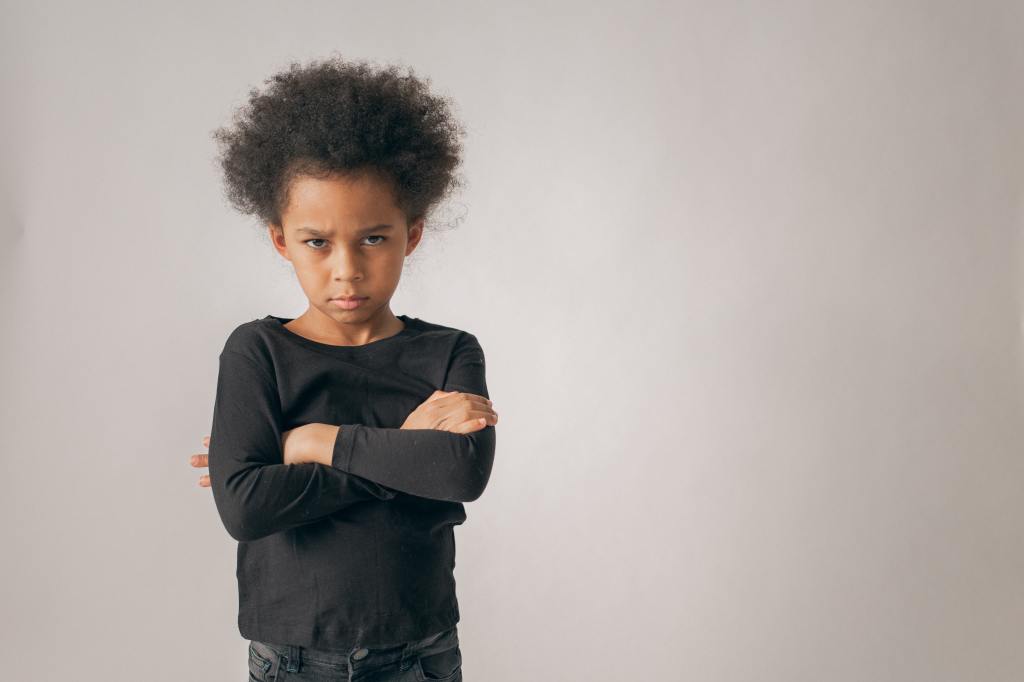
    Source: Pexels

    What the Heck is PDA (What, You Mean it’s Not a Public Display of Affection)?

    Let’s get our bearings straight:

    • PDA stands for pathological demand avoidance.
    • It’s a subtype of autism spectrum disorder (ASD).
    • PDA involves an extreme avoidance of everyday demands, often driven by high levels of anxiety.
    • A quick history tidbit: PDA was first identified in the 1980s by child psychologist Elizabeth Newson. (Yep, while you were busy rocking those leg warmers and mullets, science was making strides!)

    “Does My Kiddo Have PDA?” – Behaviours to Watch Out For

    Now, no two children are alike, and no, I don’t mean like snowflakes. More like, um, ice cream flavors? But here are some general signs:

    • Resistance to Ordinary Demands: Ever felt like you’re negotiating with a mini-diplomat just to get shoes on for school? This isn’t your typical child stalling. It’s an intrinsic need to resist routine tasks that most of us find mundane.
    • Comfort in Role Play: They might often take on roles or personas and communicate through them. Sherlock today, Spider-Man tomorrow! It’s not just play; it’s a coping mechanism.
    • Social Mimicry: They can often imitate others to mask their difficulties. This isn’t about being the ‘class clown’. It’s a way for them to fit in, making it sometimes hard to pinpoint. Crafty little beings, aren’t they?
    • High Levels of Anxiety: Their anxiety levels are more profound than the dread you feel when you accidentally like a picture from 2012 while stalking someone on social media. This can manifest in various ways:
    • School Avoidance: It goes beyond the occasional β€œI don’t wanna go!” It’s a deep-rooted fear or reluctance that makes school mornings seem like a scene out of an action movie – and for some chilldren, like mine, a horror movie.
    • Aggression When Anxious: Not just a temper tantrum. When they’re pushed to their limit, their fight-or-flight response might lean heavily on the ‘fight’. This could look like punching walls, throwing things, taking scissors to walls, pushing you, or screaming insults at caregivers.
    • Panic Attacks: Heart-wrenching to watch, these sudden bouts of intense fear can immobilize them. It’s not “attention-seeking” but a genuine overwhelming feeling they can’t control.
    • Self-Harm: Children with PDA often use self-harm, often as a grounding technique to take their mind off their tumultuous feelings of anxiety in their body. This could look like hitting their head with their hands, slapping themselves in the face, or beating their head agains a wall. It’s scary to watch, and can be deeply unsettling for both parent and child.

    Diagnosis: When Should You Seek Professional Insight?

    Your intuition as a parent is uncanny. If you’re feeling something’s up, trust your gut, and:

    1. Consult a Specialist: This usually starts with a pediatrician or a child psychologist.Don’t take “no” for an answer. Unfortunately, there are many medical professionals who don’t believe in PDA, and many who are just not familiar with it. This is where you need to do your own research mama, and go with spreadsheets and data in tow!
    2. Undergo Assessment: This can include observations, interviews, and specific PDA-focused questionnaires.
    3. Receive a Diagnosis: Now that you have a better understanding of your child’s challenges, it’s time to search for supports that fits their needs (and yours.) You’ll also need to arm yourself with information so you can adovcate with schools, coaches, and any other environments your child may need special accommodations in.

    Remember, it’s not about labelling but understanding and supporting your child through this journey.

    Treating PDA: No One-Size-Fits-All Here!

    Treatment is as unique as your child’s fingerprint or your secret cookie stash (oops, did I just spill the beans?):

    • Individual Therapy: Tailored strategies to cope with demands and anxiety.
    • Family Counseling: Because, let’s face it, we all need a bit of group therapy after those family board game nights.
    • Educational Support: Tweaking their learning environment to suit their needs, minus the unnecessary pressure.

    Tips for Navigating the Rollercoaster of PDA at Home

    Welcome to the ‘PDA Theme Park’. Hold onto Your Hats!

    Navigating the zigzaggy roller coaster that is PDA can be, well, quite the wild ride. But fear not! With a sprinkle of patience, a dash of creativity, and the following strategies, you can ensure the ride is smoother for both you and your young adventurer:

    • Pick Your Battles: Does it matter if they wear PJs to the supermarket? Hey, some celebrities have worn meat dresses to award shows, so PJs sound pretty haute couture to me!
    • Use Indirect Requests: Instead of the direct “Brush your teeth,” try a bit of playful challenge like, “Hmm, I wonder who can make their teeth shine the brightest?” Engage their imagination!
    • Establish Safe Spaces: Picture this – a cozy nook with fluffy pillows, their favorite book, and maybe a soft light. Everyone, especially our PDA champions, needs a sanctuary to retreat to when the world gets a tad too overwhelming.
    • Humor is Your Friend: When in doubt, laugh it out! Remember that time you tried to wear two different shoes to work? Yeah, life can be absurd. Sharing a hearty laugh can diffuse tension in a jiffy.
    • Negotiate Like a Pro: It’s not about manipulation; it’s a two-way street. Maybe it’s a compromise, or perhaps it’s letting them feel they have a say. “10 more minutes of play, and then we tackle homework. Deal?”
    • Keep it Low-Key: Sometimes, the fanfare and fuss can be overwhelming. Approaching situations calmly and without a ton of drama can often lead to more successful outcomes.
    • Collaborate with Your Child: Make them part of the solution. “Okay, so we need to do X. How do you think we should get it done?”
    • Find Their Motivation: Is there a toy, a story, or maybe a treat they love? Use it as a carrot (or maybe a cookie?). “Once we’ve tidied up, how about we read that new comic together?”

    These tips may not look like ordinary parenting, but your child is extraordinary, so these special tips will help them (and you) get stuff done with less head-butting and more hugs.

    Wrapping Up: From PDA to BellaZinga!

    Speaking of understanding and celebrating neurodiversity, have you heard of BellaZinga? Inspired by a brilliant girl named Bella who dazzles on the autism spectrum, our online store uses printable merch and educational materials to promote the inclusion, acceptance, and celebration of the true spirit of neurodiversity. Need a touch of inspiration or just a sprinkle of awareness in your life? Swing by BellaZinga and let some neurodivergent light shine on you!

    P.S. While you’re there, maybe grab a little something. Who says advocacy can’t be stylish? πŸ˜‰πŸŒŸ

  • Walking a Tightrope Between Parent of a Child with ADHD and Dance Mom

    Walking a Tightrope Between Parent of a Child with ADHD and Dance Mom

    I always knew my daughter was different, right from the womb. Not better or worse, just different. People tried to normalize her activity level, her issues with socialization, and her fears as “all kids have fears” but I knew she was different right from the get go.

    So now that we have a formal diagnosis of ADHD and anxiety, I am in the process of deciding whether to medicate for the ADHD symptoms, which is a dilemma in itself. ( I am convinced she is also gifted, and there may be other learning issues, but as we don’t have benefits there is no way I can afford a psycho-educational assessment right now.)

    I am a single parent. I work three jobs and home school my daughter because attending normal school became untenable….she suffered bullying and difficulties through out her first three years into grade 1, so much so that her physical symptoms of school avoidance, tummy aches, nightmares, outbursts, and constipation were dominating our lives.

    WHEN YOUR 5 YEAR OLD DAUGHTER STARTS TO TALK ABOUT KILLING HERSELF BECAUSE SHE WILL NEVER HAVE FRIENDS AT SCHOOL, YOUR HEART SHATTERS.

    But, I did my best to manage the symptoms of anxiety, because through junior and senior kindergarten, she was described as a “rock star” by her teachers, so I saw that there was value from her attending school.

    I should have known not to get complacent.

    Within a month of starting grade 1, my amazingly brilliant child who I couldn’t keep up with at home in regards to her curiosity and thirst for knowledge was suddenly behind in everything when the education style moved from learner driven to curriculum driven in grade 1. Suddenly, over the course of one summer, she went from being a “rock star” to being behind in every subject.

    It’s been a bumpy, ride, and I couldn’t love my daughter more. She is brilliant, and funny, and a true performer, and a caring and sweet little girl.

    But, she is exhausting. And I feel guilty for feeling exhausted by her…it’s a never ending cycle…lol. ( I laugh because if I cry I will never stop, and laughing is better)

    Today, I’d like to talk about my current dilemma in our neuroatypical saga.

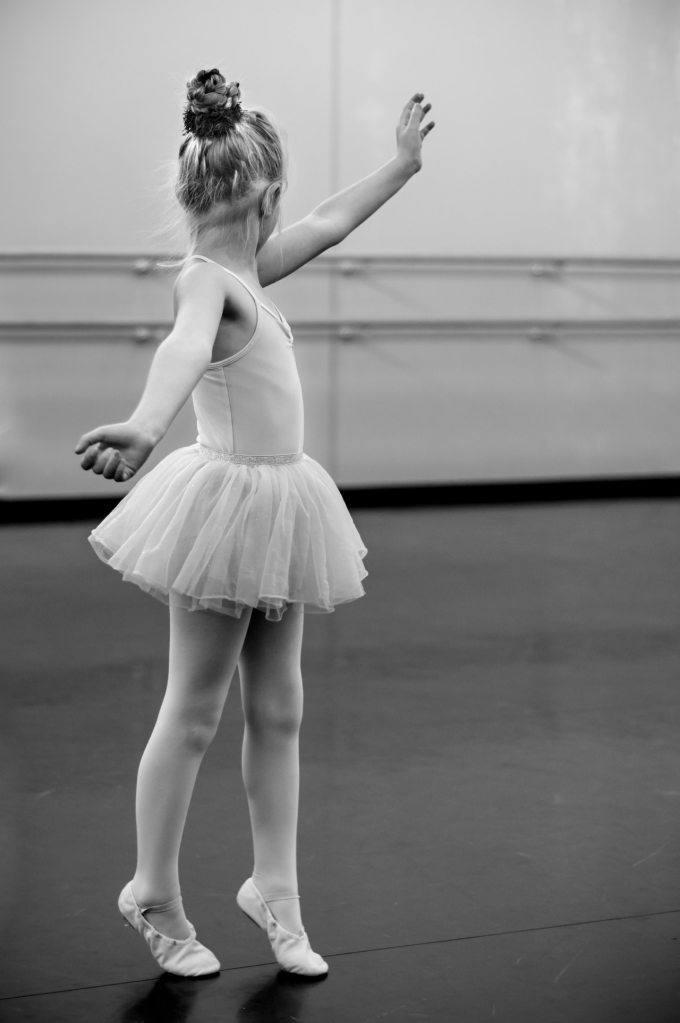
    Photo by Skitterphoto from Pexels

    My daughter is a competitive dancer, and here’s my concern. We have been been four years at the same dance studio. She has been competing on the performance group for 3 of those years. She has been a performer from birth and she shines when she is in the spotlight.

    I have also found that she does better socializing in her dance group because they are all there for a common goal and they have constant direction in their lessons, so it is easier for her to read social cues and navigate the landscape.

    Not to mention the outlet for her creativity and energy is a godsend.

    But there are issues. My daughter is hypersensitive, and always has been. Things that would not bother other kids will bring her to tears and she will fixate on them for weeks.

    Several of her instructors give feedback in ways that I do not deem appropriate.

    Now, a little background on me. I am a national level figure skating coach with a degree in Kinesiology. I have been coaching for 30 years and my life’s work has been all about learning how to teach young students, and how to give feedback. I have lost count of the papers I have written and the other coaches I have mentored in terms of helping them learn how to coach young athletes, and I myself never stop learning and trying to better myself and how I teach my skaters.

    So I know what I am talking about when I see feedback given in a manner that is not conducive to building self-esteem.

    And I feel that these particular teachers need to be aware that some of their dancers are not good with always being told negative things with no positive to balance them, or being singled out publicly when they are corrected.

    This is hard to handle for a neurotypical athlete, let alone an athlete with my daughters issues.

    I have emailed constructive feedback, asking for some compromise in how feedback is given. I have also worked consistently with the studio in terms of sharing my daughters issues and her diagnosis. I have given them a wonderful website with a list of coaches strategies for working with athletes with ADHD and anxiety, and I have countless one on ones with the instructors. I have bought private lessons for my daughter to help her with the smaller details of dance and her focus (group lessons are hard for her due to so much going on).

    The problem is, nothing is changing. She still feels singled out. She still struggles with the way the instructors teach, and the studio is extremely disorganized. I can never be sure the information I give to the owner/director is being passed down to the teachers. Her private lessons were discontinued due to scheduling on their end, and despite repeated attempts to re-book, because my daughter loves them and they help her tremendously, nothing has been done.

    I know that this is likely to be an issue at most dance studios, because from my experience, most coaches are not well-versed on the differences between neurotypical and neuroatypical athletes. If we change studios, it becomes a 45 minute drive to find a new one, and I am already stretched to the limit.

    Photo by Alexander Dummer

    I’m at a loss. I feel like that parent that always has to advocate, and I catch myself wondering how much I have to help her to get accommodations for her issues and how much I should just tell her that there are always different kinds of coaches and you have to learn how to deal with criticism if you want to get better.

    To add insult to injury, the issue of feedback is only one of the many problems I have had where the teachers and instructors fail to heed my concerns about things that cause my daughter excess hardship in practice; things such as playing the music so loud that she has to cover her ears and cringe during practice and, yet, they still. won’t. turn. it. down.

    My daughter and I talk about the value of hard-work, goal setting, losing as an opportunity to get better and above all, enjoying the process and having fun ALL the time. I have gone to great lengths to show respect for the studio and all the teachers in front of her and use our conversations as a way to model good sportsmanship and coping skills, but secretly, I am fuming and feeling like the studio is utterly incapable of handling a special needs athlete.

    I’m really having trouble finding the balance between mom, coach and dance parent, and worse, I feel singled out, blamed and shamed every time I try to advocate for her. To be fair, I don’t think that is anyone’s intent, they do their best, but that is how it comes across to me.

    So I will continue to hold my arms out, and do my best to balance on the tightrope that is now my life, wavering back and forth between dance mom, coach, and parent of a special needs child.

    Do you have any stories to share about your neuroatypical child and the obstacles you’ve faced? Feel free to share in the comments!