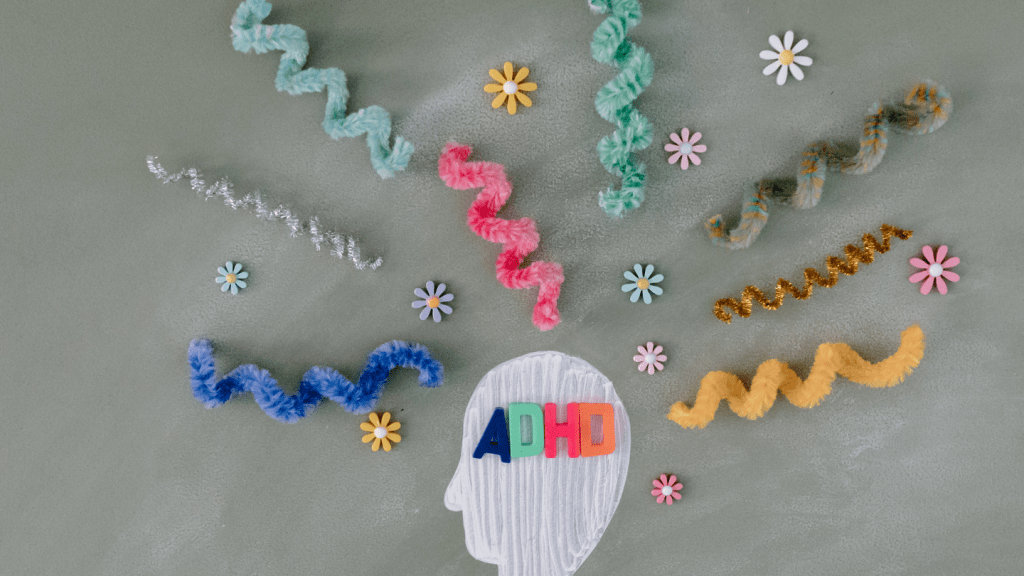
It’s been another tough week for my neurodivergent kiddo. Well, if I’m being truthful, it’s been a difficult few months capping off a lifetime of difficulties. From her feelings of isolation to medication moodiness, school avoidance, and everything in between, it sometimes feels like she’s always swimming upstream, and I’m powerless to help her.
So, I decided to hit up my trusty laptop and use my voice to hopefully make the world a little more educated about the troubles children like my daughter endure. My hope is by providing information about conditions like ADHD and ASD, I might help the world be a kinder, more accepting place for my daughter and other children like her.
I decided to start with ADHD, as I feel this is a disorder that many people don’t take seriously enough. As a figure skating coach with thirty years of experience, I can attest to the lack of training and understanding I had when I was coaching. And I can attest to the tone-deaf techniques and coaching methods still used today for kids that think differently.
Given that ADHD affects between 5%-9% of all children and 3%-5% of all adults, we all need to do our part to learn how to help and support those suffering from this chronic disorder. In this blog, we’ll look at some of the lesser-known symptoms of ADHD that you might not know about.
So, buckle up, and let’s get started!

A Quick Refresher
Are you familiar with ADHD? Well, if you’re not, here’s a quick primer. ADHD stands for attention deficit hyperactivity disorder, a neurodevelopmental disorder that affects your ability to focus and stay on task.
It’s caused by a mix of environmental and genetic factors. It can cause executive functioning, working memory, organization, and emotional regulation deficits. When it comes to what regular people know about ADHD, the most common symptom is hyperactivity.
This is because it’s the most visible symptom and often leads to disruptive behaviors in the classroom (and elsewhere!). But there’s more to ADHD than hyperactivity; other symptoms include difficulty with procrastination, impulsivity, inattention, and forgetfulness.
So, now that you have a refresher on what ADHD is, let’s get into the lesser-known symptoms you might not be aware of.
8 Lesser Known Symptoms of ADHD
We all know about the difficulty regulating attention and the hyperactivity that often comes with ADHD (at least, you should by now unless you’ve been hanging out under a rock?), but there are so many other challenges presented by this condition.
Let’s examine some of them in more detail; after all, the more you know…
- Time Blindness

People with ADHD focus on the NOW to the exclusion of everything else. This is because their brains have difficulty processing time as a concept, leading to a condition called “time blindness.”
Its symptoms include:
- Being unable to tell time so that appointments and deadlines are forgotten or arrive unexpectedly
- Difficulty organizing tasks in a logical order
- Not being able to anticipate the future or plan ahead
- Feeling as if time is passing too quickly or too slowly
- Difficulty with transitions and moving on to the next activity
Time blindness is more than just bad timing; it’s a severe impairment that can lead to procrastination, missed deadlines, and a lot of frustration.
If your ears are perking up at any of these behaviours, reach out to your doctor about ways to manage time blindness. Taking this issue seriously is essential because it can considerably impact your life.
- Executive Function Disorder
Ah, executive function disorder. It’s the bane of many people’s existence, yet few know what it is. Executive function disorder (EFD) is a symptom of attention deficit hyperactivity disorder that hampers the ability to plan, organize, and manage tasks.
What is executive function?
Executive function disorder is an ADHD symptom that is often overlooked. It’s like the forgotten stepchild of ADHD — but don’t worry, it can still get all the attention it needs. It might make it easier to define executive function as the ability to get stuff done.
EFD affects the brain’s ability to plan, organize, and complete tasks. It’s as if the brain is constantly saying, “I’m not sure what to do next!” To put it in simple terms, imagine having a bunch of little elves in your head, all running around in different directions, and none of them know what they’re doing!
What causes EFD?
The root cause of EF disorder is an imbalance of neurotransmitters in the brain. Basically, the brain isn’t firing off the right signals to the right parts of the brain. This can lead to needing help staying focused, organizing thoughts, and completing tasks.
For those with EFD, tasks that may seem easy to others can feel like monumental challenges. It’s easy to get frustrated and overwhelmed when you just can’t keep up with the demands of daily life.

Psst…remember this the next time you feel your blood pressure rise when your child’s room looks like a warzone yet again. They actually have a brain-based reason for struggling to clean their room.
But it’s important to remember that EFD is manageable. With the proper correct accommodations and strategies, you can learn to manage your child’s symptoms and help them live a successful life.
- Social Anxiety
Another symptom you may not be so familiar with is social anxiety. That’s right—ADHD can actually cause social anxiety. If you have ADHD, you may be hyper-aware of your surroundings, causing you to be highly anxious in social situations.
You might be more self-conscious than usual and worry that everyone is judging you or watching your every move. Or, you might have trouble interpreting social cues, such as facial expressions, tone of voice, or body language, making it challenging to “fit in” with your peers. This social anxiety can be tough on kids and teens.
They’re already dealing with the stress of growing up, and this extra layer of anxiety can be overwhelming. Fortunately, with effort and learned strategies, anxiety can be managed. Working with a trained professional to develop coping skills and learning how to better regulate your emotions can make a huge difference.

4. Trouble Getting to Sleep
Sleep issues are a common symptom of attention deficit hyperactivity disorder that often go unnoticed. While it’s well-known that people with ADHD have difficulty concentrating and staying focused, many don’t realize that these issues can affect their sleeping patterns.
Struggling to sleep is a common issue for those with ADHD, but it can be especially problematic for those who don’t realize why they’re having trouble. Whether it’s due to racing thoughts, difficulty winding down, or an inability to “shut off” their mind, those with ADHD often find themselves in a catch-22 when it comes to getting a good night’s rest.
Don’t fret; there are plenty of strategies to help those with ADHD get to sleep more easily. Whether setting a strict bedtime routine, sticking to a regular sleep schedule, or even taking medication, there are many ways to get the restful sleep you need. So don’t let ADHD stop you from getting the rest you deserve!
- Poor Working Memory
If you think ADHD only affects kids in the classroom, you better think again! Poor working memory—one of the lesser-known symptoms of ADHD—can cause significant problems for adults, too. It’s not just about forgetting your car keys or where you left your phone.
Poor working memory can affect your ability to remember instructions, recall details, and complete tasks. If your career requires you to juggle multiple tasks, this can be a real problem.
Again, this is where proper tactics and techniques can help improve your working memory. Things like breaking down large tasks into smaller steps, using lists to keep track of what you need to do, and using reminders (like notes or alarms) can all help you stay organized and on-task.
If you think poor working memory might be the culprit behind your disorganization or difficulty completing tasks, it’s worth talking to a doctor or therapist about your symptoms. With appropriate strategies and support, you can find ways to manage your ADHD and get back on track.
- Emotional Dysregulation
The typical picture in everyone’s minds when they think of ADHD, is of kids bouncing off the walls, not being able to sit still, and having difficulty focusing. But what many people don’t realize is that kids with ADHD can also have trouble regulating their emotions.
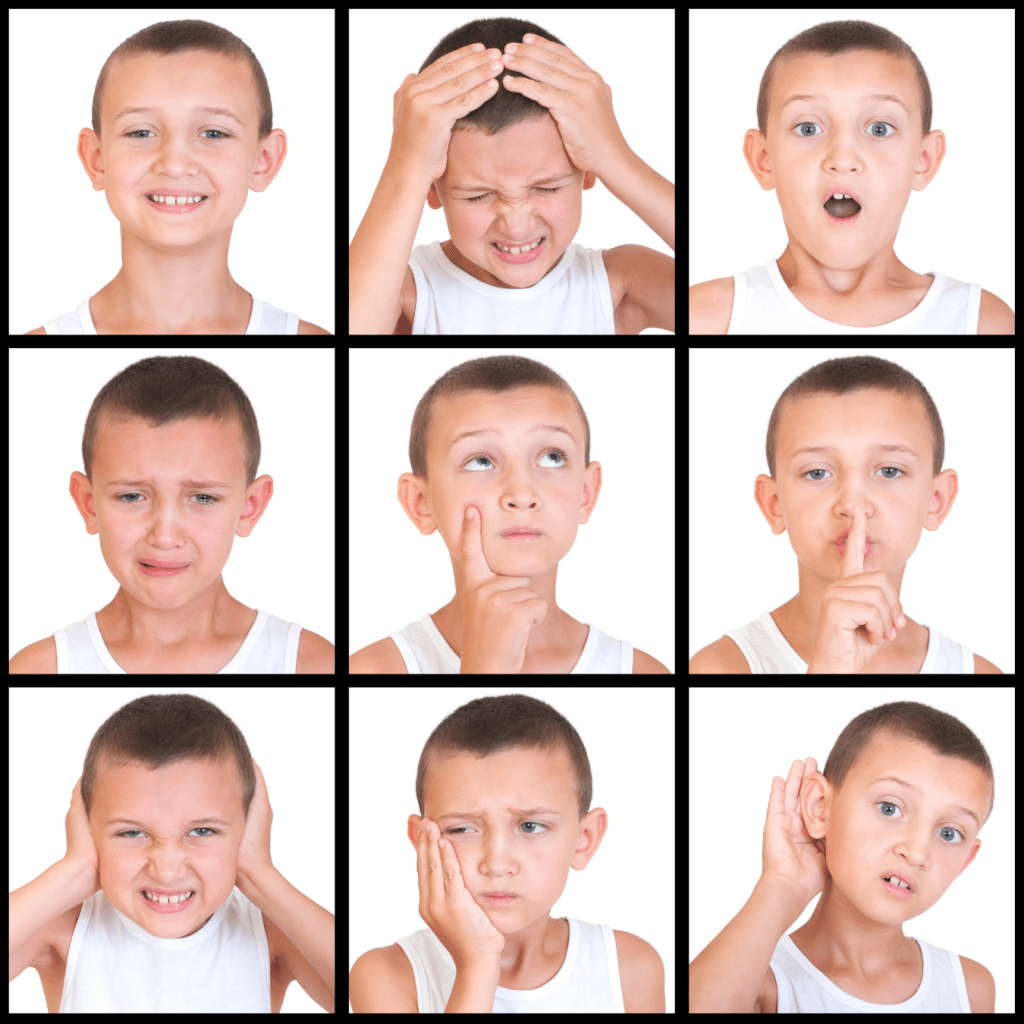
So, what exactly is emotional dysregulation? Basically, it’s when someone’s emotions are all out of whack. They might feel overwhelmed, sad, angry, or all of the above, and they don’t have the tools to calm themselves down.
This is known as emotional dysregulation, which can be incredibly difficult for kids (and adults!) to manage.
What is emotional dysregulation?
This condition can lead to outbursts, meltdowns, and other disruptive behaviours. It’s important to note that emotional dysregulation isn’t a character flaw; it’s a symptom of ADHD. It happens because of how the brain is wired, meaning it’s not something the person can control.
That’s why it’s essential to find strategies to help kids with ADHD manage their emotions. Some approaches to help kids with ADHD regulate their emotions include:
- Deep breathing
- Taking a break
- Distraction
- Mindfulness exercises
- Talking through their feelings
- Exercise
Another great tip is to create a plan for handling big emotions in advance so that everyone knows what to do when they feel overwhelmed.
Emotional dysregulation can be incredibly difficult to manage, but it is possible. With the right tools, kids with ADHD can learn to regulate their emotions and lead happy balanced lives.
- Poor Self-Esteem
It’s not news to anyone that having ADHD can significantly impact one’s self-esteem. From the constant barrage of criticism from teachers, peers, and even family members for not living up to their expectations to the inner dialogue of self-doubt and feeling like you’re just not good enough, having ADHD can take a toll on one’s self-confidence.
But what causes poor self-esteem in those with ADHD, and how can parents and caregivers help their children feel better about themselves?
One of the most critical components of low self-esteem in those with ADHD is feeling “less than.” Whether at school, the arena, or even among peers, those with attention deficit hyperactivity disorder often feel less intelligent, talented, or capable than those around them.
This feeling of inadequacy can be exacerbated by their difficulty completing tasks or performing to the same level as their peers, leading to a downward spiral of negative self-talk and self-doubt.
Luckily, there are steps caregivers can take to help their child cope with and manage the feelings of low self-esteem associated with ADHD.
- First, it’s important to recognize that it’s not the child’s fault—it’s the ADHD.
- Acknowledge that your child is doing their best and that trying their best is enough.
- Next, focus on their strengths and successes, no matter how small. It helps to build their confidence and reminds them that they are capable.
- Finally, encourage them to set realistic goals for themselves and celebrate the small steps they take toward reaching those goals.
With patience, understanding, and a little love, you can help your child with ADHD find self-confidence and feel better about themselves.

8. Trouble Getting Out of the Zone
It’s no secret that the symptoms of ADHD disrupt lives, but there’s one symptom that often goes overlooked: zoning out. You know how it goes—you’re in the middle of a conversation, and suddenly you’re lost in thought, only to come back to reality with no clue what the other person just said.
What is zoning out?
While zoning out is common in everyone, it can be a particularly frustrating symptom of ADHD. So, what is zoning out? It’s a distraction period that can last from a few moments to a few hours. It’s like a mini-escape from reality that can happen without warning.
During this time, you can be unresponsive and unaware of your surroundings, and it can be hard to snap out of it.
Why do you zone out?
So, what causes zoning out? It has many triggers, including boredom, fatigue, or overwhelming emotions. It can also be a sign of a more serious underlying condition, such as depression or anxiety.
Here are some ways to prevent or lessen your “zone-out time” each day:
- Taking consistent, daily time-outs can help reduce fatigue and give your brain a chance to recover.
- Being mindful of your emotions can also help. If you notice the overwhelm taking over, draw a few deep breaths and focus on the present moment.
- Finally, talking to a professional can help you better understand the underlying cause of the zoning out and provide you with helpful strategies to manage it.
Zoning out may not be the most disruptive of the ADHD symptoms, but it can still be a source of frustration. Understanding what causes it and how to manage it can help prevent it from becoming a problem.
Now You Know a Little More About ADHD
It’s clear that ADHD presents itself in many different forms, and it can be challenging to identify the symptoms in yourself or a loved one. But now that you know more about what it looks like, you’re in a better position to recognize and help those in need.
If you or someone you know is living with attention deficit hyperactivity disorder, it’s vital to seek help and resources to better manage the condition. No one should have to suffer through the symptoms of ADHD alone, so take the time to do your research and find the right support network.
Remember, the more you know about ADHD, the better equipped you are to help those around you. So take the time to learn more about this complex condition and how you can help those living with it.




 BellaZinga.Blog