
Several years ago, I signed my daughter up for the summer soccer league in town. The price was right, and I thought it would be a good summer activity for her to try to get rid of her boundless energy. I showed up enthusiastically on the designated meet-the-coach day only to wait 30 minutes for anyone to show up at her table. When he finally did show up, I asked him the usual questions I would normally ask any coach who is working with my daughter like:
- So I assume you have played soccer before ? (he hadn’t)
- How long have you been coaching (not long)
- What certifications do you have (minimal)
- Do you have a police clearance (he actually WAS a police officer, so at least there was THAT)
The biggest observation I took away from that day was the disbelief in his voice when I actually asked him these questions. It was obvious that no other parent had asked him these before.
When I got home, I spoke to my brother, who is a high school physical education teacher and who coaches (and plays) multiple sports. He looked at me like I was crazy for asking the questions I had asked.
I shouldn’t have been surprised.
I have been a figure skating coach for well over 25 years. I am nationally certified and continue to this day to update my certifications and my coaching toolkit. I have easily worked with thousands of kids in the sport of skating, both recreationally and competitively. I have run intense training programs and worked within our system my entire life.
Do you know how many parents have asked me if I have a police clearance?
Take a guess.
None.
What do you think about the number of parents of new students who ask me about my coaching philosophy?
Yup, you guessed it.
None.

This exchange with my daughter’s former soccer coach has been foremost in my mind these past few days because I read a Facebook post from a friend entitled “Why Coaches Hate Over-Involved Parents” by Amy Carney.
This is a well written article, carefully stating the things that parents should never debate or contact their child’s hockey coach about. Things like playing time, issues with teammates and team strategy are mentioned as basically off limits. The overall theme of the article is to let the coaches coach, the kids play, and the parents stay out of it. It speaks to the athlete taking accountability for their actions, stepping up to be their own advocates, and proving themselves before expecting to gain playing time or their desired position.
While I HEARTILY agree we need to make our athletes responsible, accountable and capable of communicating effectively with their coaches, I think that, ESPECIALLY IN THESE TIMES, we have to be more careful than ever with our children.
Look: I have had some humdingers as sports parents.
I mean, irrational, never-happy, always-criticizing-or-second-guessing-your methods-no-matter-HOW-much-information-you-give-them kind of parents.
But those parents are the exception, not the rule. And as I grew into my coaching career, I realized that the more I informed my figure skating parents of my philosophies, the more they were inclined to give me their trust.
The more I explained the strategies, time tables and reasons behind my tactical decisions for their children, the more they left me alone to coach their children.
So, as I read this article about how parents shouldn’t email, complain or talk to their players coach about issues, I must respectfully disagree.

You see, coaches are people too. This means that coaches are subject to the same character flaws, foibles and behaviours that we all have, including bias, prejudice, ego, disorganization and many more not-so-great behaviours.
Add to this that many coaches in the amateur sports systems are volunteers, and this takes away all accountability. Don’t get me wrong. Volunteers are a mainstay for youth sport, and I have the utmost admiration for those that give selflessly of their time for our children. But there are good and bad volunteers.
And just because you volunteer to coach DOES NOT MEAN YOU GET A PASS TO DO A POOR JOB.
I’m sorry, if my 10 year old child feels that their coach is biased against them, and has done everything in their power to work hard, advocate for themselves, speak up and earn their spot, and I see there is a discrepancy between either their skills and their playing time, or perhaps an unfair allotment of playing time, why shouldn’t I ask the coach in a polite email to explain their strategy and why they aren’t playing my child?
If my child feels they aren’t being heard or worse, are being ignored or disrespected, it’s our job as caring adults to help them navigate those tricky waters.
And as a coach that spends hours sending out information, newsletters, and videos, as well as organizing and sitting in countless meetings with parents and coaching colleagues, shouldn’t that coach have gone the extra distance to share his/her strategy of who she/he is selecting and why? Shouldn’t that coach have called for a parent meeting with regard to his/her coaching philosophies at the beginning of the year, so all members of the team are on the same page and know what is expected of them?
I have an eight-year-old daughter who is in her fourth year of competitive dance at her dance studio. Dance is her happy place, and she excels at it. But she has been bullied continuously at school and has developed low self-esteem and continuous anxiety because of the exclusion and ostracism. She also has ADHD, anxiety, possible sensory processing issues and poor executive functioning, not to mention giftedness, so social cues are difficult for her to read.
So, you had better believe that if I see behaviour from her dance teachers that runs contrary to creating a positive learning environment, and it happens continuously, I am going to speak up.
Because that’s my job as her parent. To make sure she is safe both physically and mentally at the one place she feels strong and powerful and confident, so she can continue to have a positive learning experience with this one area of her life.
I can assure you that verbal abuse, emotional abuse and yes, physical and sexual abuse are rampant in our sport system. As I write this, I can think off-hand of at least two rumors of high level coaches who have slept with their athletes, albeit, when these athletes were of age of consent, but still, the imbalance of power is the issue.
Coaches are in a complete and absolute position of power over our children, whether on the field, the court or on the ice. So much happens that we as parents don’t see, or can’t hear, or can’t feel because we aren’t on the field of play with our children.

But too often, we don’t support our children if they “feel” something is off.
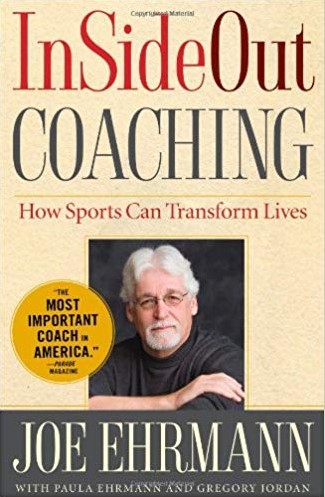
As a young athlete who experienced emotional abuse and transactional coaching (find out how transactional and transformational coaching differ by reading my book report on InsideOut Coaching) when I was younger, I can assure you, we (young athletes) don’t share everything our coaches say and do because of the power they have over us.
Shame and fear convince young athletes that they deserve to be pushed aside, or told they aren’t worthy. And this can and DOES create trauma as they grow older.
Blindly thinking that we can trust coaches in any sport system without following up and asking questions about strategy, tactics, philosophies, or just asking why they were hard on our child today can lead to this:
And this (Graham James)
And this (Bertrand Charest)
And this (Richard Callaghan)
Look, no coach likes to be second guessed. But for the most part, all a parent wants is information and communication. As a former elite athlete, an experienced competitive coach and a mother of a competitive dancer, I think it is dangerous to suggest that we muzzle communication between coaches and parents.
Parents can be our biggest allies as coaches. It is OUR job as coaches to figure out how to communicate effectively with them, set the parameters for expectations for them and what they can expect from us, and create a positive learning environment.
If a coach has done all these things, then I find the incidence of problematic parent behaviour tends to decrease dramatically.
So how about we stop giving parents a bad rap? And maybe do a better job as coaches educating, informing and looking at our own behaviours before we start pointing fingers outward.
If we work together and make parents feel part of the team, then everyone benefits.
If you enjoyed this post, do me a favor, share it and follow me!
Feel free to share your parent or coaching stories in the comments below!

 BellaZinga.Blog