“Autism”, “ASD”, and “PDA”. These aren’t just random abbreviations – they’re essential keys to understanding the vast, colourful world of neurodiversity. Dive into this guide and let’s decode the mystery behind PDA, all while keeping a sense of humour about it.
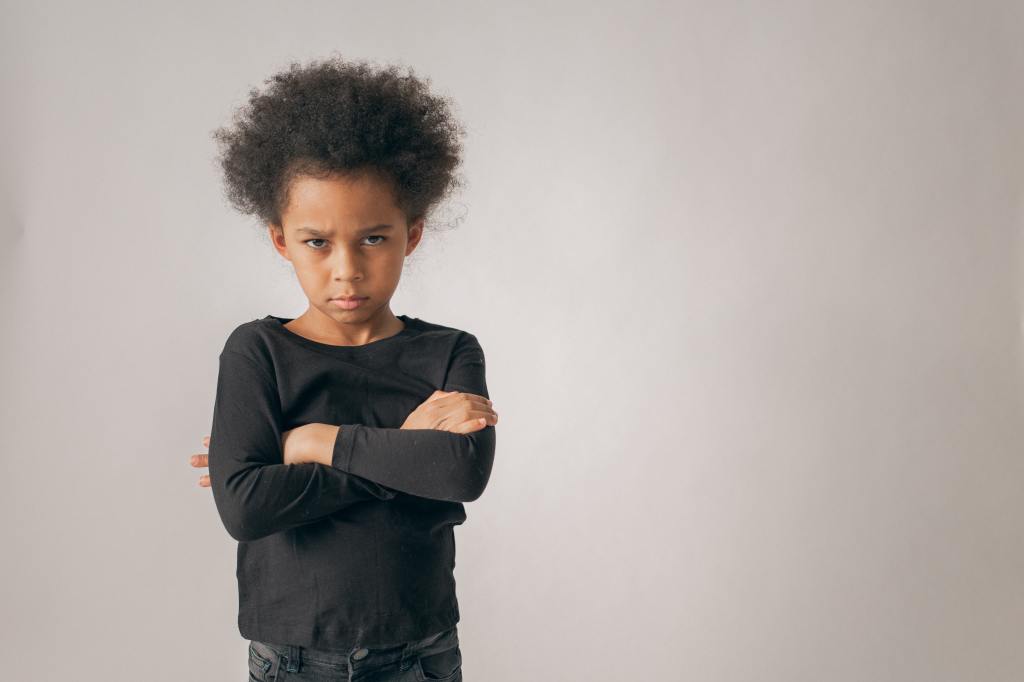
Source: Pexels
What the Heck is PDA (What, You Mean it’s Not a Public Display of Affection)?
PDA involves an extreme avoidance of everyday demands, often driven by high levels of anxiety.
A quick history tidbit: PDA was first identified in the 1980s by child psychologist Elizabeth Newson. (Yep, while you were busy rocking those leg warmers and mullets, science was making strides!)
“Does My Kiddo Have PDA?” – Behaviours to Watch Out For
Now, no two children are alike, and no, I don’t mean like snowflakes. More like, um, ice cream flavors? But here are some general signs:
Resistance to Ordinary Demands: Ever felt like you’re negotiating with a mini-diplomat just to get shoes on for school? This isn’t your typical child stalling. It’s an intrinsic need to resist routine tasks that most of us find mundane.
Comfort in Role Play: They might often take on roles or personas and communicate through them. Sherlock today, Spider-Man tomorrow! It’s not just play; it’s a coping mechanism.
Social Mimicry: They can often imitate others to mask their difficulties. This isn’t about being the ‘class clown’. It’s a way for them to fit in, making it sometimes hard to pinpoint. Crafty little beings, aren’t they?
High Levels of Anxiety: Their anxiety levels are more profound than the dread you feel when you accidentally like a picture from 2012 while stalking someone on social media. This can manifest in various ways:
School Avoidance: It goes beyond the occasional “I don’t wanna go!” It’s a deep-rooted fear or reluctance that makes school mornings seem like a scene out of an action movie – and for some chilldren, like mine, a horror movie.
Aggression When Anxious: Not just a temper tantrum. When they’re pushed to their limit, their fight-or-flight response might lean heavily on the ‘fight’. This could look like punching walls, throwing things, taking scissors to walls, pushing you, or screaming insults at caregivers.
Panic Attacks: Heart-wrenching to watch, these sudden bouts of intense fear can immobilize them. It’s not “attention-seeking” but a genuine overwhelming feeling they can’t control.
Self-Harm: Children with PDA often use self-harm, often as a grounding technique to take their mind off their tumultuous feelings of anxiety in their body. This could look like hitting their head with their hands, slapping themselves in the face, or beating their head agains a wall. It’s scary to watch, and can be deeply unsettling for both parent and child.
Diagnosis: When Should You Seek Professional Insight?
Your intuition as a parent is uncanny. If you’re feeling something’s up, trust your gut, and:
Consult a Specialist: This usually starts with a pediatrician or a child psychologist.Don’t take “no” for an answer. Unfortunately, there are many medical professionals who don’t believe in PDA, and many who are just not familiar with it. This is where you need to do your own research mama, and go with spreadsheets and data in tow!
Undergo Assessment: This can include observations, interviews, and specific PDA-focused questionnaires.
Receive a Diagnosis: Now that you have a better understanding of your child’s challenges, it’s time to search for supports that fits their needs (and yours.) You’ll also need to arm yourself with information so you can adovcate with schools, coaches, and any other environments your child may need special accommodations in.
Remember, it’s not about labelling but understanding and supporting your child through this journey.
Treating PDA: No One-Size-Fits-All Here!
Treatment is as unique as your child’s fingerprint or your secret cookie stash (oops, did I just spill the beans?):
Family Counseling: Because, let’s face it, we all need a bit of group therapy after those family board game nights.
Educational Support: Tweaking their learning environment to suit their needs, minus the unnecessary pressure.
Tips for Navigating the Rollercoaster of PDA at Home
Welcome to the ‘PDA Theme Park’. Hold onto Your Hats!
Navigating the zigzaggy roller coaster that is PDA can be, well, quite the wild ride. But fear not! With a sprinkle of patience, a dash of creativity, and the following strategies, you can ensure the ride is smoother for both you and your young adventurer:
Pick Your Battles: Does it matter if they wear PJs to the supermarket? Hey, some celebrities have worn meat dresses to award shows, so PJs sound pretty haute couture to me!
Use Indirect Requests: Instead of the direct “Brush your teeth,” try a bit of playful challenge like, “Hmm, I wonder who can make their teeth shine the brightest?” Engage their imagination!
Establish Safe Spaces: Picture this – a cozy nook with fluffy pillows, their favorite book, and maybe a soft light. Everyone, especially our PDA champions, needs a sanctuary to retreat to when the world gets a tad too overwhelming.
Humor is Your Friend: When in doubt, laugh it out! Remember that time you tried to wear two different shoes to work? Yeah, life can be absurd. Sharing a hearty laugh can diffuse tension in a jiffy.
Negotiate Like a Pro: It’s not about manipulation; it’s a two-way street. Maybe it’s a compromise, or perhaps it’s letting them feel they have a say. “10 more minutes of play, and then we tackle homework. Deal?”
Keep it Low-Key: Sometimes, the fanfare and fuss can be overwhelming. Approaching situations calmly and without a ton of drama can often lead to more successful outcomes.
Collaborate with Your Child: Make them part of the solution. “Okay, so we need to do X. How do you think we should get it done?”
Find Their Motivation: Is there a toy, a story, or maybe a treat they love? Use it as a carrot (or maybe a cookie?). “Once we’ve tidied up, how about we read that new comic together?”
These tips may not look like ordinary parenting, but your child is extraordinary, so these special tips will help them (and you) get stuff done with less head-butting and more hugs.
Wrapping Up: From PDA to BellaZinga!
Speaking of understanding and celebrating neurodiversity, have you heard of BellaZinga? Inspired by a brilliant girl named Bella who dazzles on the autism spectrum, our online store uses printable merch and educational materials to promote the inclusion, acceptance, and celebration of the true spirit of neurodiversity. Need a touch of inspiration or just a sprinkle of awareness in your life? Swing by BellaZinga and let some neurodivergent light shine on you!
P.S. While you’re there, maybe grab a little something. Who says advocacy can’t be stylish? 😉🌟
Last weekend my daughter danced in her studio’s end-of-the-year recital. The show was a success, full of the usual suspects; seasoned performers hip-hopping their way to fame, teeny-weenies out for their dance debut loaded with sparkles and wide-eyed anticipation, and budding street dancers learning the breakdance ropes.
While all of these regular recital occurrences are heart-warming, what got me in the “feels” was that I got to watch the entire thing from the audience.
This may sound odd, given that my little dancer is not so little anymore. In fact, at nearly twelve, she’s taller than most grown women. And you’re likely now thinking that I’m a total helicopter mom, hovering like there’s no tomorrow, too afraid to cut the apron strings and let my daughter look after herself.
While that may be true, there’s also another factor to consider. You see, my daughter is neurodivergent; she has ADHD and is on the autism spectrum. This means that she is quirky, beautiful and (in my humble opinion) fucking brilliant.
It also means she has significant challenges in places and at events that you and your neurotypical kiddos likely take for granted.
I won’t ever take something like watching a dance recital from the audience for granted again. I’ll tell you why.
My daughter doesn’t look any different than your average tween. Given that she is considered Level 1 ASD (formerly known as Aspergers), nothing would cue you that she is any different from a neurotypical child.
This is why so many parents of kids on the spectrum get the side-eye, eye-rolls, and just about any other eye-related behaviour from other parents, teachers, doctors, etc.
No two children on the spectrum are the same, but let me share with you some of the challenges my daughter has had to overcome in her dance career.
Motor Difficulties
You know how kids can effortlessly tie their shoes or change outfits like they’re in a backstage dressing room of a Broadway show? Well, that’s not exactly a walk in the park for my kiddo.
With her motor skills functioning a little differently, quickly tying tap shoes or changing sparkly leotards might as well be an Olympic event. And let’s not forget the actual dance numbers.
With balance and coordination playing a cheeky game of hide-and-seek, the challenge of mastering those intricate steps is on another level.
Issues with Working Memory
Ever tried to keep track of multiple dance numbers, their order, and the steps for each in your head? My daughter tackles this challenge head-on every time she steps onto that stage.
Prioritizing tasks and decision-making are like trying to solve a Rubik’s cube blindfolded. The struggle with working memory is real y’all.
Executive Function Challenges
Imagine having a long list of instructions, each more complex than the last. Sound overwhelming? Now, think about how it feels when every day is filled with these lists and not having a freaking clue where to begin or how to put the required steps in order?
That’s the reality for children like my daughter. Delayed executive function development is like trying to solve a jigsaw puzzle with missing pieces. Is it any wonder they get frustrated and lose their shit?
Emotional Dysregulation
Feelings for my daughter are like waves during a storm, overwhelming and unpredictable. Her emotions are big, bold, and often challenging to rein in. It’s like riding a roller coaster without a safety bar, thrilling but also a little scary.
The hardest part as her parent is to watch the shame and guilt play across her features once she has calmed down and realized what she said and did while she was struggling for control.
Even though my kiddo is starting to realize that when she gets overwhelmed, her frontal lobe is not in control, and she is in the clutches of her amygdala and the dreaded fight/flight/freeze/fawn (although there is a strong argument for using “feign” instead of fawn) response cycle, she still feels bad about her behaviour after the fact.
Sensory Sensitivities
Imagine being at a rock concert, but the music’s too loud, the lights are too bright, and the crowd’s too much. Now, try picturing that every time you’re in a room full of kids or under fluorescent lighting.
That’s what my daughter deals with — a world where sounds, smells, and sights can be as piercing as a siren’s call. Because she perceives the world differently and often more intensely, she can experience these sensations as discomfort and even pain.
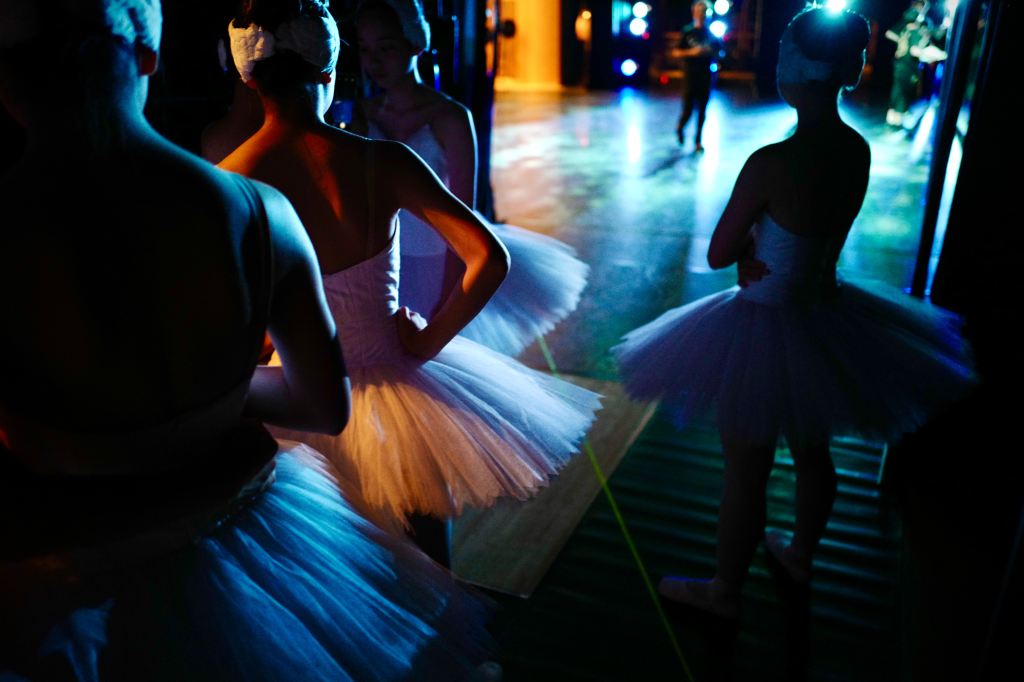
Now see yourself at a dance competition or recital, packed together in a dressing room with hundreds of other dancers, all anxious and excited. The steady drum of chatter, shouting, crying, and music would be enough to drive a neurotypical person to drink, let alone someone who’s conditioned to perceive these stimuli as threats! (To clarify, I don’t let my daughter drink…so don’t come for me!)
Problems Reading Social Cues
Reading social cues for my daughter is like deciphering hieroglyphics without a Rosetta Stone. It’s tough not knowing how to fit into the social puzzle, feeling isolated in a room full of chattering children.
But thank the goddess for our dance studio. Through careful attention to fostering a climate and culture of family and inclusion, they have helped my daughter fit in every step of the way. I wish I could say the same for our previous studio, but that’s another story for another time. (And perhaps that aforementioned drink)
Triumph in the Dressing Room
Usually, I am my daughter’s special assistant in the dressing room. My job is to make sure she can navigate quick changes, take a sensory break if necessary, calm her in case of overwhelming nervousness to prevent meltdowns and help her navigate the environment and pressure around her.
I always ask my kiddo if she wants me there with her in the dressing room or if she’d like to try it on her own, as I’m trying to foster independence and push her boundaries, but I want her to feel ready for it.
So I wasn’t surprised when she asked me to be her special dressing room assistant once again.
I don’t mind this, but the fact is, it is usually only my daughter and me at these events. So when I’m below in a dressing room, I am not in the audience to hoot, holler, yell, and clap for her when she’s onstage. And that means she has no one in the audience to do that for her.
As you can imagine, for an only child who seldom sees her father and sees ALL the other families full of siblings and relatives attending, this is hard for both of us.
Still, I was prepared. I’d created extra lists for my l’il dancer with the order of her numbers, all carefully highlighted. I’d labelled each of her dance bags carefully, even crafting numbers to hang on each hanger so it would be easier to see which one was next.
I’d done all the things necessary to ensure a seamless experience. I’d packed all my kiddo’s sensory stuff, like headphones, earbuds, fidget spinners, a tablet and a charger, not to mention a cell phone. You name it; we were ready.
Then, suddenly, as we were setting her bag up in her designated space, my daughter shot me an “I’m so embarrassed my mom is here look” and started shooing me away.
I have to admit. I froze, unsure if I was actually seeing what I thought I was.
Sure enough, my daughter wanted me to leave her alone so she could hang with her dance friends. When I asked if she could handle the quick changes, she said she could, and I should leave her alone.
I just about cried. Partly, if I’m being honest, because this was a huge hurdle, and it meant my baby was growing up, which is difficult for every mama bear, neurodivergent or neurotypical alike.
But partly because of the overwhelming sense of relief and freedom to sit and enjoy myself at a function. Whether it was a family dinner, a holiday gathering, a school assembly, or a dance recital, I had yet been unable to do this.
I don’t think you can understand how it feels to always be alone when you’re the parent of a kiddo on the spectrum. Because your child is more, needs more, and demands more, you have to give more, be available more, be more organized, be more prepared, be more calm…I think you get the picture.
This sense of being an uber parent is not conducive to sitting and having a cocktail at a dinner party, socializing with family at a Christmas get-together, or watching your daughter shine onstage at dance recitals.
Until last week.
And shine, she did. Although it was hard to see from the tears in my eyes. (I’m not crying, you’re crying)
Parenting on the Spectrum Means You Celebrate the Ordinary Moments as if They Were Extraordinary
My daughter did it on her own, and I couldn’t be prouder. You see, for parents like me, we don’t just celebrate the recitals or awards. We celebrate the moments when our children prove to the world, and more importantly to themselves, that they are so much more than a label.
We celebrate when they show their strength and resilience in the face of adversity and face the challenges of a world that can be overwhelmingly stacked against them.
So yes, I won’t ever take something like watching a dance recital from the audience for granted again. Not because it’s a luxury but because it’s a testament to the beautiful, quirky, brilliant girl my daughter has become. And how damn proud I am of her.
If you want to share some ordinary yet extraordinary moments with your neurodivergent child, comment below, and follow me for more blogs!
Better yet, why not check out my online store, BellaZinga (inspired by my daughter and her neverending one-liners) for some merch with a side of neurodivergent sass? While you’re there, you can download my eBook “Friends Beyond Differences: Embracing Neurodiversity.”
It’s an engaging guide written specifically for neurotypical kids aged 6-12 to help them understand and embrace their neurodiverse peers.
And remember, our differences make us unique, but our humanity binds us together. Let’s ensure every child, regardless of their neurotype, feels accepted, loved, and capable of dancing their own unique rhythm.
In the grand scheme of things, it might not seem like a big deal, but the proverbial straw broke my back. As I sit, shaking, in the throes of my 5th panic attack since it happened – and desperately hoping that writing this blog is distraction enough to help me gain control – I’m still attempting to process it all.
But first, a little background for those who don’t know me well
I’m the full-time single momma to a whip-smart, precocious, multi-talented child who also happens to be on the spectrum, has ADHD and struggles with anxiety. This weekend has been a great weekend for her and, therefore, for me.
We went to see Avatar on Friday night with a friend from her old dance studio. To see them connect, share stories, support each other, and have a real-life give-and-take exchange (rare and difficult for some kiddos on the spectrum) warmed my heart and gave me hope.
You see, while she has a few friends at school, I don’t consider them the best types of friends. Although considered her bestie, one, in particular, is not the most supportive, often putting my daughter or her interests down and ignoring her to be on her own device when she comes over for a sleepover.
The reason I explain this is that context matters
Context is key to understanding someone’s mental state in time. We all know this; how many “Bell Let’s Talk” days have we been subjected to? (Don’t get me into the hypocrisy behind this particular company talking about mental health issues; I’ve chosen to separate the source from the message and appreciate the attempt to raise awareness).
The point is, it’s been an awful few months for us. My poor kiddo was sick repeatedly in the fall, and just when we thought she was out of the woods, BOOM, she got ill again within the first week back to school after the winter break.
That enough can be exhausting for single parents doing their best to work, care for their sick children, and attempt to care for themselves (I was sick too).
Add to this school avoidance, executive function issues out the wahoo, a ramping up of all sorts of sensitivities due to adolescence and hormones kicking in, multiple physical symptoms of anxiety that put my daughter in pain nearly 90% of the time, and of course, ever constant bullying and social isolation from so-called friends.
I did the best I could to support her
All through these issues, as I’ve done her entire life, I’ve done my best to “see” my daughter. My goal is to accept her differences, applaud her strengths, acknowledge her anxieties and give her strategies to help her cope with them. It’s not easy, and more often than not, I become her emotional trash can, where she spews out her anger, frustration or inability to control her environment at me.
When you deal with an hour of school avoidance behaviour, including begging, crying, screaming, slamming doors, self-harm, tummy aches, headaches, dizziness, aggression, insults, and yes, sometimes physical attacks on me (she doesn’t mean it, at the moment she doesn’t know how to find a suitable outlet for her frustration) ….it becomes traumatic, both for her and for me.
And before anyone offers help. Yes, I am connected to resources and have read many books on strategies to deal with these behaviours. But knowledge is one thing; living with it is something entirely different.
I now understand that many mothers of autistic children suffer from PTSD
I couldn’t figure out why I had been so sad and disaffected lately. Yes, it’s been difficult, but many good things have happened lately, too. I’ve been practicing my gratitude; I got a new, better-paying job and have multiple coping strategies at my fingertips.
But I’m fatigued all the time. I feel like I’m slipping into a depressive fog again where all I want to do is stay in bed where it’s warm, and I don’t have to deal with anything. I’m trying to find time to get out, even to just go for a walk, but between trying to balance my job with my child’s needs, sometimes it can be challenging to find the time for showering.
Then I started learning about something called hypervigilance. Basically, it’s the state of being ultra-alert, constantly assessing the environment for threats, even when there are none.
This should start to sound familiar to any mom out there who’s had a child get sick. It’s the feeling of sleeping with one eye and one ear open in case you have to run to the hospital.
For the moms of neurodivergent children, hypervigilance goes into overdrive. Anything and everything can be a trigger for a meltdown. What if her anxiety is so bad that she can’t last all day at school? Will I have to go pick her up? How do I make sure I’m available to do that?
She’s at a sleepover, but I know she won’t eat the food. She’s losing weight drastically, so I have to pack her a cooler of foods she’ll eat and follow up to ensure that’s been made accessible to her throughout the night.
She’s away for a class trip, the first one she went on without you (because you’re desperately trying to foster independence), but you get a call from the parent chaperone. You must listen to her hyperventilating and freaking out on the phone as they struggle to calm her down.
The list is long y’all, and if it’s hard for me, imagine how difficult these things are for my daughter. This permanent state of constantly assessing possible danger can lead to trauma responses similar to those in combat.
Of course, parental judgment comes into play too
Now factor in that we live with my parents (thank god, because I don’t know how we’d make it otherwise), and while they don’t help much with her actual childcare as they are older and she can be a lot to deal with, the financial support has meant the world to us.
This is why it’s so difficult when they, particularly my father, disagree with how I parent her or even acknowledge that her differences require different parenting techniques than neurotypical children.
There is judgment in some way or form every single day. (although I have to admit, my mom has come a long way in educating herself and acceptance!) Add to that the fact that I, myself, have never felt that I fit in with my family, and the psychological stress of attempting to be a positive emotional support for my daughter when she needs it often leaves me in a state of burnout.
I’m afraid to speak out about what happened to me yesterday since I know my parents will not back me up.
You see, the overarching narrative about me in my family is that I am “too”
Too much. Too sensitive. Too outspoken. Too blunt. Too soft. Too psychological. Too analytical. Too much of an activist. Too liberal. Too….too…too…
After a while, you believe that there is something wrong with you. And that adds to the endless pile of crap I have to wade through daily.
Finally, on to the main event
Now that you have the set-up of the scene and are aware that because of my circumstances, I was feeling exhausted and emotionally numb before even entering my local store, it might help to understand better.
I needed to buy a few grocery items, including lactose-free chocolate milk, and this store is one of the few places that carry this particular brand. (my kiddo will drink nothing else, of course)
I’ve grown up in the same village, and this store is a mainstay for the locals. My mother alone spends literally thousands yearly (she loves grocery shopping, it’s her happy place), and I even used to work there many years ago.
Of course, I can’t afford to shop there much for my larger shopping hauls, as it’s just too expensive, but it’s been drummed into my head by my parents that you need to support local businesses, and I feel I have to shop there because of this mantra.
Plus, everyone is super lovely, and the produce is excellent, so there’s that
So I quickly walked around the store, smiling at patrons, receiving smiles back, and lining up to pay at the checkout. I am always kind, saying my please, excuse me’s and thank-you’s to people when they move for me, letting people with less cut in front of me, and in general, trying to take up as little space as possible.
I could feel my anxiety build as I got up to the belt and started unloading my groceries. Like every other store, it is now our job to bag our own groceries, which I don’t mind; in fact, I enjoy piecing together groceries in their proper place; it’s like a game.
The problem is the time factor. I always feel rushed. No matter how fast I bag my groceries, the check-out person always waits for me to pay.
So then I’m thinking, do I pay first, then finish bagging? At Walmart, there are two areas to bag groceries per station, so even if I’m not done, there is still room for the next person to start.
But at our local store, there is zero room for anyone to start processing their order until you have entirely bagged and removed your groceries from the counter. So what often happens is you are left to furiously finish as the cashier tells you your total and stares at you expectantly – just waiting.
It is during this phase that my anxiety really ramps up. I can feel myself starting to sweat, knowing everyone is waiting for me. I try to go faster, but no matter how fast I go, I can’t bag in time for people NOT. TO. WAIT.
By now, my heart is pumping so furiously I feel like people should be able to see it pulsing from my chest, I am hyperventilating, and those steel bands clap around my chest – getting tighter and tighter. I feel like a cornered animal. I know this is me perceiving threats when there are none, aside from perhaps broken societal expectations, and I can usually deal with it.
Except for today.
Suddenly, the gentleman who is next in line walks up to where the debit machine is (where I have to go back to pay still) and flourishes his shopping bag open with a flick of his hand as if to say, “come on, let’s get this show on the road.”
Seriously, it’s like he was challenging me to a duel a la Princess Bride.
I haven’t even paid yet, I’m still doing my best to go fast, and of course, the young man at cash is just standing there, doing nothing to help, and eying me expectantly.
I’m so astonished at this level of passive-aggressiveness that I half-jokingly say, “geez, rush me, why don’t you.”
The customer thinks I’m joking, so he laughs. And I quickly finish and walk back to the POS to pay with my debit card.
He doesn’t move. He stands there, just off my left elbow, where he can see my debit information and within my personal space. I’m now full-on triggered.
I turn to him, put up both hands spread in front of me and say, in a loud and commanding voice, (I don’t think I shouted, but I was emphatic):
“Please, could you give me some personal space? I wasn’t kidding; I’m feeling very stressed and anxious right now.”
Stillness. It’s as if I’ve murdered someone. I am looked at like I’m the one with the issue.
He laughs, maintains his smile, and walks back to the end of the counter where his wife is waiting.
I finish my transaction, and as I grab my cart full of groceries and prepare to exit the store, I hear him say, “nope, I’d better wait so I don’t get in trouble.”
Then the cashier laughs with him and responds, “I think you’re safe now.” They both laugh again.
As I leave the store, over and over, I hear them mocking me as I try to control my tears.
I’m still struggling to process it all
When I got home, I knew I had to be alone to digest what had just happened and not worry about my kiddo seeing me like I was. I walked outside, careful to be out of view from any windows, and had a 45-minute panic attack, sobbing, hyperventilating, rocking, and all the other hallmarks of these oh-so-familiar events.
When I had pulled myself together and entered the adrenaline hang-over stage of the attack, I went back to the car and unpacked my groceries.
I couldn’t understand what I had done wrong.
I would never intrude on another person’s space like that or make them feel hurried or rushed. To me, that’s the ultimate unkindness.
I also felt I was within my right to ask for personal space to keep my banking information safe and to help me feel less threatened.
Could I have done it in a more pleasant tone of voice? Maybe. But I was in the grip of anxiety, which I did my best to explain.
And yet I was mocked for it. And the cashier joined in. Not one person in that store showed me kindness or empathy.
Would this have been different if I had not been a woman? I can’t help thinking that this was gaslighting behaviour at its best, telling me I was crazy because I voiced my distress and my limitations.
The parallels between so many other people dealing with mental illness are hard to ignore, as are the parallels between women standing up for themselves throughout history and being victimized because of it.
Either way, I’m now coming down from my fifth panic attack since it occurred. I’ve gone back and forth between calling the manager to complain or even posting on Facebook. But the problem is, it’s a small community, and I can tell you that if my parents found out, they would not support me in speaking up for myself.
And, of course, I would, MOST CERTAINLY, be labelled as difficult.
And that’s a shitty feeling. But what I can do, and do well, is write about my experience. I’ll do it anonymously if possible (cowardly, I know!), but I want to let anyone else know when and if they go through these experiences:
I SEE YOU. You aren’t alone. And no one has the right to make you feel crazy or less than for setting your limits. For being outspoken for yourself or others. For having an opinion that doesn’t fit within the status quo.
Well, what d’ya know…it worked! My heart rate is back to normal; my breathing has returned to shallow and (somewhat) even breaths.
Turns out blogging might be an excellent panic-attack strategy after all.
Have you ever experienced anything like this? Let me know in the comments, and share your story to help others!





 BellaZinga.Blog