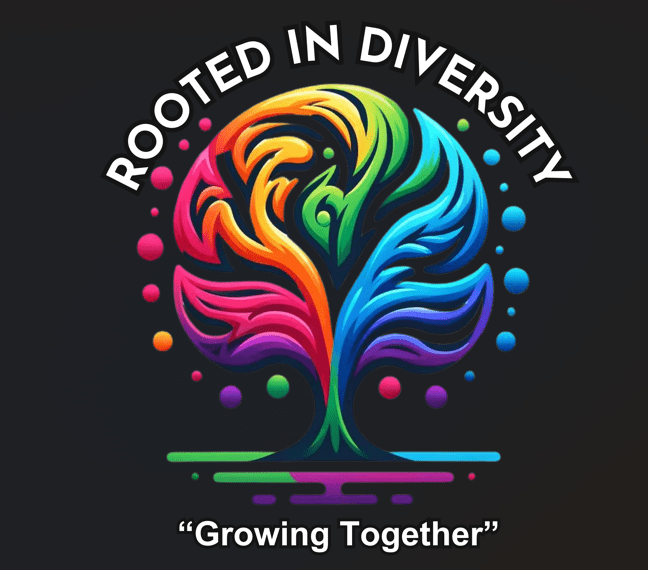

Creating a symbol for neurodiversity, inspired by my daughter’s journey, led me through a thoughtful exploration of existing images. I began with a butterfly, symbolizing transformation, with one wing designed in fragmented, multicoloured puzzle pieces. This was meant to depict complexity and growth, yet I soon learned that the puzzle piece can feel alienating to many in the neurodivergent community.
Often, it implies that autism or other conditions need to be “solved” or “completed,” rather than accepted and celebrated as they are. This symbolism didn’t align with the message I wanted to send about inclusion and understanding.
Shifting from the butterfly, I explored the phoenix—a powerful symbol of resilience and renewal. The phoenix resonated deeply, as it reflected the strength I see in my daughter, who continually rises from difficult days of sensory overload or social challenges.
This symbol also speaks to autistic burnout, a significant experience for many, where the demands of navigating a neurotypical world can lead to deep exhaustion that goes beyond typical stress.
Still, as powerful as the phoenix is, it felt incomplete. I wanted a symbol that reflected not only individual resilience but also the importance of community and support. And that’s when the idea of the tree took root.
Embracing the Tree as a Symbol of Growth and Community
As I moved away from previous designs, the image of a tree began to emerge as a powerful symbol for neurodiversity—a representation of both individuality and interdependence. Trees thrive through a deep network of roots, drawing nourishment from the soil and connecting to the surrounding ecosystem.
Similarly, neurodivergent individuals often find strength and stability in their support systems, whether it’s family, friends, community resources, or even advocacy groups. These “roots” provide essential nutrients for growth, resilience, and flourishing in a world that can sometimes be challenging to navigate.

Above the surface, the tree’s branches and leaves capture a beautiful diversity. But just like in neurodivergent conditions, there’s so much happening beneath that others may never see.
This idea of “what lies beneath” is especially resonant in conditions like ADHD, where visible behaviours are just the tip of the iceberg. Many underlying traits and challenges—like anxiety, hyperfocus, or emotional sensitivity—often remain hidden yet play a significant role in daily experiences.
By choosing a tree as the design’s core, I wanted to honour both the visible and invisible aspects of neurodiversity, celebrating the unique strengths and needs of each individual leaf while also recognizing the collective strength of the community.
Each branch represents a unique path, each leaf a unique person, and together, they create a vibrant, interconnected network that provides strength, shade, and beauty for everyone involved.
The Tree’s Colors and Leaves: Celebrating Individuality
One of the most meaningful aspects of the tree design lies in its leaves, each representing a unique individual within the neurodivergent community. Neurodiversity is beautifully varied—each person presents differently, with unique strengths, challenges, and characteristics.
Much like leaves on a tree, these traits may look different on the surface but are equally essential to the whole. Whether it’s the vibrant creativity often found in ADHD, the intense focus common in autism, or the resilience shared by many neurodivergent individuals, each leaf brings its own beauty to the tree.
This diversity reflects the need for neurodiversity acceptance, where every person’s strengths and differences are valued.
Beyond individual expression, the tree represents a connected network—a reminder that neurodiversity is not isolated but part of an inclusive ecosystem that relies on neurodivergent individuals and neurotypical allies to flourish.
Just as trees thrive within a larger forest, the neurodivergent community finds strength in support and inclusion, creating spaces where every person can thrive. By acknowledging that we all have different needs and contributions, we can build a network that truly values and respects each person’s place in the community.
Advocacy Through Fashion: Start Conversations with What You Wear
Fashion has incredible power—it can make a statement, spark curiosity, and invite conversation. Wearing clothing that advocates for neurodiversity is more than just a style choice; it’s a way to openly support and celebrate the neurodivergent community.
A T-shirt, for instance, becomes a canvas for expressing neurodiversity acceptance, sharing the message that autism, ADHD, and other conditions deserve understanding and respect. Whether at the grocery store, on a school run, or at a community event, these designs serve as conversation starters, opening the door for people to ask questions and learn more about neurodiversity.
Beyond simply promoting awareness, wearing these symbols can foster a sense of solidarity. It’s a way for neurotypical allies, parents, friends, and neurodivergent individuals themselves to visibly show their support.
This public expression can be incredibly powerful—wearing something that says, “I see you, I understand, and I stand with you,” helps create a more inclusive and empathetic world. Fashion becomes an ally in the journey toward neurodiversity acceptance, breaking down barriers and encouraging us all to learn and grow together.
If you’re ready to make a statement and advocate for a more inclusive world, consider exploring BellaZinga’s Neurodiversity T-Shirt. By wearing designs that celebrate neurodiversity, you’re not just putting on a T-shirt—you’re taking part in a movement toward understanding, acceptance, and connection.
 BellaZinga.Blog
Leave a comment