Author: Jill Wismer
-

Unlocking Voices, Bridging Worlds: How Technology Empowers Autism Communication
AI Assisted
You, like many, may believe that the power of technology lies in its ability to connect us with people and information. It’s true; technology has indeed transformed the way we interact with the world. But what if I told you that for some, technology is not just a tool for connection—it’s a lifeline? Today, we’re diving into the world of individuals with autism and how technology is revolutionizing their communication, empowering every voice, and promoting neurodiversity inclusion.
Imagine the world through the eyes of someone with autism—a world that often comes with unique communication challenges. Verbal expression might be limited or even non-existent, making it a daily struggle to convey thoughts, needs, and emotions. This is where technology steps in as a beacon of hope.
Source: Pexels
The Power of Augmentative and Alternative Communication (AAC)
For those facing speech and language difficulties, Augmentative and Alternative Communication (AAC) technology has been a game-changer. One such remarkable tool is Proloquo2Go—an app that stands as a testament to the marriage of technology and inclusivity. It allows individuals to communicate by selecting icons or words, which are then converted into spoken language. Imagine the joy of finding your voice through a device, finally bridging the gap between thoughts and expression.
Unlocking Emotions Through Technology
Understanding and expressing emotions can be a complex journey for individuals with autism. Technology has responded with innovative solutions. Touch and Learn, an app designed like a captivating game, helps children with autism explore and comprehend emotions. It transforms the process of emotional learning into an engaging adventure. Picture a child’s face lighting up as they master the intricacies of human emotions, thanks to this digital companion.
Vocabulary Expansion Through Play
Another technological marvel, Otsimo, reimagines vocabulary development. Through interactive gameplay, this app transforms learning into a captivating journey. Imagine a child eagerly engaging with language-building exercises because they’re having fun, not because it’s a chore. Technology has made this possible.
Fostering Independence and Connection
The ability to communicate through a tablet or smartphone using AAC software opens doors that were previously locked. It grants some individuals with autism the freedom to express their needs and interact with others in ways they might not achieve otherwise. Think of the newfound confidence that comes with being able to order a favorite meal or express discomfort, all through a device you carry with you.
The Role of BellaZinga
At BellaZinga, we celebrate this incredible journey of empowerment through technology. While our store may not sell tech products, our mission aligns perfectly with the transformative power of these tools. We promote awareness, acceptance, and celebration of neurodiversity, with a special focus on autism and ADHD.
When you shop with us, you support a vision of a world where every voice is heard and valued. Our clothing, shoes, and household items are more than just products; they’re symbols of a commitment to inclusivity and empowerment.
As you explore our offerings, remember that you’re contributing to a brighter, more inclusive future. With every purchase, you’re spreading the message and helping individuals with autism unlock their voices and bridge the gap to a world that sometimes struggles to understand their unique perspectives.
Technology is not just changing lives; it’s giving individuals with autism the means to express themselves, connect with others, and ultimately, lead more fulfilling lives. As we continue to embrace these advancements, we’re inching closer to a world where communication barriers cease to exist.
Thank you for being a part of this transformative journey, for supporting BellaZinga, and for standing with us in the celebration of neurodiversity and inclusion.
#TechForCommunication #Inclusion #Neurodiversity
-

Thanksgiving Analysis, Autism: Understanding the Holiday’s Impact on ASD Individuals
Written with the help of AI.
Thanksgiving is a time-honoured tradition celebrated with family and friends, involving a feast, gratitude, and togetherness. For individuals with autism and their loved ones, navigating the holiday can present unique challenges, such as sensory overload, changes in routine, and social expectations. By understanding these factors, creating an autism-friendly environment, and involving a supportive network, all your family celebrations can be joyful and inclusive events for all.

A significant aspect of making Thanksgiving and other family holidays more accessible and enjoyable for autistic individuals lies in comprehending their unique needs and experiences. Those who have autism may experience heightened sensitivity to stimuli, including sounds, smells, and tastes, which can be overwhelming in a typical holiday gathering. Additionally, alterations to their regular schedules may evoke unintended stress or discomfort.
To counter these challenges, it’s crucial to create a supportive and autism-friendly environment during Thanksgiving that acknowledges and accommodates these needs. By working closely with loved ones and collaborating on practical solutions, families can transform their holiday celebrations into cherished moments full of blessings and abundance.
Key Takeaways
- Creating an autism-friendly environment at Thanksgiving, Christmas and other holidays fosters inclusivity and enjoyment for all.
- Understanding the unique needs and sensitivities of autistic individuals is key to navigating the holidays.
- Collaborating with a supportive network can significantly ease holiday challenges and promote a joyful experience.
Understanding Autism
What is Autism Spectrum Disorder
Autism Spectrum Disorder (ASD) is a complex neurological condition that affects the way a person processes information, perceives the world and communicates with others. It is called a “spectrum” disorder because it manifests in many different ways, with varying levels of severity. ASD is typically diagnosed in early childhood, and the signs become more apparent as children grow and interact with their environment.
Affect of Autism on Social Interactions
Children with ASD often experience difficulty in social settings, as they may struggle to understand and interpret social cues, facial expressions, and body language. They may also have trouble making friends, maintaining eye contact, and engaging in conversations. This can lead to feelings of isolation and anxiety for both the child with ASD and their caregivers.
However, many individuals with ASD can develop strong social skills, with proper support and interventions tailored to their specific needs. Parents, teachers, and other professionals can help these children by promoting understanding and acceptance of ASD within the broader community.
Understanding Autism Meltdowns
Autism meltdowns are not tantrums, but rather the result of overwhelming stress, anxiety, sensory overload, or unmet needs. A meltdown can be triggered by a variety of factors, such as sudden changes in routine or unexpected events. They are an emotional and physical reaction to this stress, and often involve a loss of control over emotions and behaviours.
During a meltdown, children with ASD may exhibit behaviours such as crying, yelling, or physical aggression. It’s essential to understand that these actions are not intentional, but rather a response to the overwhelming feelings being experienced. Providing a calm, supportive environment and employing strategies to prevent or address potential triggers can help individuals with ASD reduce the frequency and intensity of meltdowns.
Navigating Thanksgiving with Autism
There are a number of strategies you can use to make your family celebration easier for your autistic child. Pre-Thanksgiving Preparations
To ensure a smooth and enjoyable experience during Thanksgiving (and subsequent holidays), it’s crucial for parents to plan ahead and prepare their child with autism for any changes in their routine. Discussing the new schedule and the upcoming events can help the child understand the differences compared to their regular routine. Providing a visual schedule or social stories can be particularly beneficial for children with autism. For example, thanksgiving themed visuals can help them comprehend what to expect during the day.
Encourage the involvement of a support system, including friends and family members who understand and are comfortable with the child’s needs. This can make it easier for the child to navigate the changes in routine during the holiday.
Navigating Thanksgiving Day
On Thanksgiving Day, it is essential to maintain as much structure as possible while being flexible to any unforeseen situations. Depending on the needs of the child with autism, consider designating a quiet space where they can retreat during overwhelming moments. When attending family gatherings, consider bringing items or activities from home that the child is familiar with, as suggested by Autism Speaks.
During the meal, provide options that cater to the child’s sensory needs and preferences. Keep in mind the possible challenges with social interactions and adjust expectations accordingly. Encourage participation, but respect the child’s limits and allow them to take breaks when needed.
Post-Thanksgiving Analysis
After the Thanksgiving celebrations, it’s essential to assess the child’s progress and overall experience. Review any challenges they might have encountered during the day and develop strategies to address them in future situations. Acknowledge the child’s successes and use this information to inform future planning and preparation.
Ultimately, the key to navigating Thanksgiving with autism is a combination of thorough preparation, maintaining structure, and flexibility. By being proactive and understanding the child’s needs, parents and caregivers can ensure a more enjoyable and autism-friendly Thanksgiving experience.
Creating Autism-Friendly Thanksgiving Environment
These three C’s are so helpful to create an autism friendly environment. Autism-Friendly Activities
One way to ensure an autism-friendly family get-together is to plan activities that cater to the sensory needs and preferences of individuals with autism. Consider incorporating toys and board games designed for those with autism spectrum disorder, and create opportunities for structured play. Additionally, using social stories can help prepare them for unfamiliar or potentially overwhelming situations that may arise during the holiday festivities.
Creating an Autism-Friendly Menu
Creating an autism-friendly menu is another important aspect of planning a Thanksgiving celebration that accommodates everyone’s needs. Traditional dishes like turkey should be included, but also consider the dietary preferences of individuals with autism, who might be picky eaters or have specific textures or flavours they avoid. For example, offering alternatives like velveeta shells and cheese can accommodate different palates. Collaborating with families beforehand can provide valuable insight into preferred foods and any dietary restrictions.
Providing a Safe Space
Thanksgiving celebrations can be loud and chaotic, potentially causing distress for those with autism. Providing a quiet and safe space for individuals to retreat to if they need a break from the festivities is essential for their comfort and well-being. Equip the space with noise-reducing headphones and soothing items like sensory toys or weighted blankets. Ensuring there are designated quiet spaces also allows for a more enjoyable experience for everyone.
Incorporating autism-friendly activities, creating an accommodating menu, and providing a safe and quiet space are all essential components of creating an autism-friendly Thanksgiving environment. By being mindful of the needs and preferences of individuals with autism, hosts can help ensure a more inclusive and enjoyable holiday celebration for everyone involved.
Involving the Support System

Holiday celebrations often involve a lot of planning, especially when family members with autism are involved. One of the keys to a successful holiday gathering is involving the support system, which mainly includes the immediate family and extended family members.
Role of Immediate Family
The immediate family plays a significant role in providing support for an individual with autism. They are the primary source of love and understanding and can have a deep understanding of how best to support their loved ones during special holidays.
In preparation for the celebration, it is important for the immediate family to communicate about their loved one’s needs. They should discuss any potential challenges that might arise, such as sensory sensitivities, dietary restrictions, or difficulties with social interactions. By being proactive and open about these issues, the immediate family can work together to create a comfortable and enjoyable experience for their loved one with autism.
Additionally, immediate family members can help their loved ones with autism participate in Thanksgiving traditions, such as giving thanks or sharing what they are grateful for. Some ideas to facilitate this involvement can be found in this podcast about autism and Thanksgiving.
Understanding the Role of Extended Family
Extended family members, such as in-laws, aunts, uncles, and cousins, also play an important role in creating an autism-friendly Thanksgiving gathering. By educating themselves about autism and being open to adjustments, they can help contribute to a supportive environment.
The immediate family can start by sharing information with the extended family about the specific needs and preferences of their autistic loved ones, and what they can expect during the celebration. Clear communication is key, as it can help minimize misunderstandings and discomfort.
At the event, it is beneficial for extended family members to be patient and flexible. They should try to be understanding if there are any disruptions or changes in plans that may be necessary due to their loved one’s autism. Additionally, they can provide emotional support and encouragement, which can go a long way in making the individual with autism feel included and valued.
In both cases, the support system of immediate and extended family members can be instrumental in helping someone with autism have a positive Thanksgiving experience. By being understanding, communicative, and flexible, everyone can contribute to an enjoyable and inclusive holiday celebration.
Holiday Challenges and Solutions
Managing Disruptive Behavior
Holidays can be particularly challenging for families with children on the autism spectrum. Disruptive behavior might be heightened during this time due to changes in routine, social expectations, and sensory overload. To help manage such behavior, it is essential to plan ahead and implement appropriate strategies.
One approach is to use social stories to illustrate and explain specific social situations that may arise during holidays. This helps the child understand what to expect and reduces anxiety. Furthermore, maintaining clear communication with your child can help set expectations and enable them to express their needs more effectively.
Dealing with Sensory Overload
Many autistic individuals have strong negative reactions to bright lights, loud noises, strong flavors, and smells. The holidays can sometimes feel like a sensory assault, making it crucial to take steps to reduce sensory overload.
One strategy is to bring sensory items, such as headphones or fidget toys, that can help the child self-regulate in overwhelming situations. Monitoring noise levels and providing a designated quiet space for your child to retreat to when needed can also be helpful in managing sensory overload.
Handling Changes in Routine
Daily routines provide structure and predictability for autistic children, making holiday-related changes in routine particularly challenging. To minimize the stress associated with disruptions, it is essential to plan ahead and help your child adjust to the changes in routine.
Creating a visual schedule outlining the events and activities during holiday celebrations can be beneficial. This schedule can be reviewed ahead of time to help familiarize your child with the upcoming events. Scheduling downtime, maintaining familiar routines when possible, and gradually introducing new events or activities can make holiday celebrations more enjoyable for everyone involved.
Conclusion: Blessings and Abundance

In the spirit of Thanksgiving, it is essential to recognize the blessings and abundance in our lives, especially for those coping with autism or supporting family members with autism. The holiday provides valuable opportunities for families and individuals to appreciate the unique gifts that autistic individuals bring to the table.
The cornucopia is a symbol of abundance and a common sight during Thanksgiving festivities. This overflowing “horn of plenty” serves as a reminder for everyone to be grateful for all the good in their lives. In the context of autism, the cornucopia can represent the strengths and talents often associated with autism spectrum disorder, such as attention to detail, creativity, and persistence.
There is no one-size-fits-all approach to celebrating family holidays, and for families touched by autism, finding ways to adapt and adjust traditional Thanksgiving customs can be an invaluable step toward creating a more inclusive and joyful celebration. By incorporating strategies to manage sensory overload or social challenges, a Thanksgiving meal can become a comfortable space for everyone involved.
In the end, it’s essential to look beyond the challenges that autism may present and focus on the blessings and abundance that autistic individuals contribute to the families and communities around them. Autism can certainly pose its difficulties, but by embracing the unique talents and qualities of those living with autism, we can foster a greater sense of connection, love, and gratitude during Thanksgiving and all year round.
Frequently Asked Questions
How does Thanksgiving and other family celebrations affect autism spectrum individuals?
Thanksgiving can be a challenging time for individuals on the autism spectrum due to sensory overload, changes in routine, and social demands. The large gatherings, new foods, and festivities may cause anxiety and discomfort for some individuals with autism. It is essential to recognize these potential issues and plan accordingly to ensure an enjoyable and inclusive holiday experience for everyone.
What strategies can help autistic children during Thanksgiving and other holiday celebrations?
Strategies to help autistic children during Thanksgiving celebrations include preparing them in advance for the event, creating a visual schedule, offering a quiet space for them to retreat to if needed, familiarizing them with the location and attendees, and involving them in the planning and decision-making process. Additionally, consider incorporating autism-friendly activities and adjusting the environment to minimize sensory overload.
How can we promote understanding of autism during Thanksgiving?
Educating family members and friends about autism can go a long way in promoting understanding during Thanksgiving gatherings. Share information about the individual’s unique needs, triggers, and coping strategies. Encourage communication and empathy by facilitating open conversations about autism and offering resources for those interested in learning more about it.
Which Thanksgiving activities are more suited for people with autism?
Some Thanksgiving activities that may be better suited for people with autism include simple arts and crafts, watching parades or holiday movies, and helping with food preparation or setting the table. These activities can provide structure and familiarity while still allowing for social interaction and holiday fun.
How can families with autistic members adjust their Thanksgiving and other holiday traditions?
Families with autistic members can adjust their Thanksgiving traditions by being flexible and accommodating. This may include modifying the environment to reduce sensory stimuli, simplifying meal plans to accommodate dietary preferences, and incorporating more inclusive, autism-friendly activities. Communication and understanding among family members are critical in creating a supportive and enjoyable holiday experience for everyone.
What resources are available for managing autism during Thanksgiving gatherings and beyond?
There are several resources available for managing autism during Thanksgiving gatherings, such as Autism Speaks and Acorn Health, which provide expert advice and tips for creating an autism-friendly holiday experience. Utilize these resources to gather ideas and develop an individualized plan for your family gathering based on the specific needs and preferences of the autistic individual.
-

What Skills Single Parents Bring to the Workplace: Unstoppable Jugglers in Action
As a single parent, you might think that juggling family and work commitments is a Herculean task. But have you ever considered the exceptional skills you’ve acquired through this balancing act? Your unique experiences as a solo superhero can actually translate into valuable assets for your workplace.
There were over 10 million families in Canada in 2022, and of that number, nearly 2 million of them were led by single parents. This means that one out of every five families in our country are single-parent families. Clearly, there needs to be more support for this huge demographic.
When it comes to managing work and family, single parents often develop unparalleled time management, multitasking, and crisis-solving capabilities. These very skills make you an exemplary employee. Your can-do attitude and resilience in the face of adversity will not go unnoticed by your colleagues and superiors.
Now, it’s time to embrace your “secret powers” and take pride in the strengths you’ve developed as a single parent in the workforce. Let’s explore your hard-won expertise and how it can enrich your professional life.
Source: Pexels
Key Takeaways
- Single parents possess strong skills in time management, multitasking, and problem-solving
- These skills make single parents valuable assets in the workplace
- Embracing and showcasing these strengths can lead to professional success and recognition
Secret Superpowers of Single Parents
Master Multitaskers
As a single parent, you’ve already demonstrated your ability to juggle multiple tasks at home. Children, laundry, cooking, and sorting out bills—you’ve done it all. Well, these multitasking skills are a boon in the workforce! Your experience in navigating the chaos of solo parenting makes you highly adaptable and able to handle diverse tasks at work with greater efficiency.
Jedi-like Time Managers
Time management is an essential skill in today’s fast-paced work environment, and single parents like you are Jedi masters when it comes to making every minute count. Balancing the responsibilities of raising kids, managing a household, and carving out time for your career has honed your ability to prioritize, delegate, and plan like a pro. Colleagues will look to you as a beacon of productivity during those hectic workdays.
Conquerors of Challenges
Single parents in the workforce, whether divorced, widowed, or facing the pandemic solo, possess a unique mental toughness. The challenges you’ve overcome in your personal life have strengthened your resilience and problem-solving abilities in the face of adversity.
As a result, you’re more equipped to tackle complex situations at work, and your colleagues will be inspired by your tenacious spirit.
Navigating Workplace and Child Care
Walking the Tightrope
As a single parent, you’re basically a superhero, juggling work-life balance with the grace of a tightrope walker. You manage the demands of your career and the care responsibilities for your children, all the while keeping a sense of humour.
Your experience with childcare gives you a unique set of skills that can benefit the workplace, like multitasking, problem-solving, and remaining calm under pressure.
You’ve got the ability to maintain a steady pace even when the going gets tough. Your children are like coworkers with endless questions and urgent requests, but you handle it all with ease.
Just nail that presentation, rush home to fix dinner, and help your child with their science fair project that’s due tomorrow – all with a smile on your face! You got this, Mama! (Or Dad!)
The Never-Ending Juggling Act
As a single parent, it’s not just about making a house a home but also seamlessly integrating your career and family life. Taking advantage of flexible work arrangements like working from home or adjusted hours can help you strike that delicate balance.
If you’re lucky enough to have sick leave options or even extra help from babysitters, that’s fantastic. If not, you always have your secret weapon: quick thinking and resourcefulness.
Need to book a last-minute appointment at the Child Mind Institute? No problem! Your boss needs that report ASAP, but your child is home with the sniffles? You’ve got it covered!
You bravely face workplace challenges, sometimes trading traditional work-life boundaries for a blend that’s uniquely suited to you. Embrace your adaptability and strong organizational skills, my friend. Single parenthood doesn’t hold you back; it makes you resilient, flexible, and a force to be reckoned with in the office halls.
So, remember, no matter how many balls you’re juggling, you’re doing an incredible job. Keep on shining, you multitasking superhero!

Source: Pexels
Support Needed for Single Parents at Work
The Call for Greater Flexibility
Do you feel frazzled trying to juggle work and family life? You’re not alone in craving a more flexible work environment. You see, workplace burnout is a real issue, not just some make-believe thing like sasquatches or maple syrup shortages.
By creating opportunities for remote work, employers can help folks like you find that oh-so-sweet balance between career ambitions and the demands of parenthood.
Building a Better Support System
A support system is key for any single parent, especially in the workplace. Company culture plays a huge role in this, just like how you can’t have spaghetti without parmesan—it’s essential! (or maybe that’s just me?) Your manager and organization must foster an environment where single parents feel included and supported.
Now let’s talk about systemic solutions:
- Public policies can be the Tim Hortons of the workforce, providing the daily fuel needed to keep us going (And who doesn’t love Timmies?). By enacting family-friendly policies, the government can help employers create better work systems for single parents.
- Flexibility is the key to unlocking the ultimate Canadian work-life balance. By offering flexible hours, remote work, and other accommodations, employers can help single parents skate through life more easily.
- Support from co-workers and friends is as important as finding the right Nice ‘n Easy hair colour. (Too much information?) By creating a network of trust and open communication, single parents will have a solid team to rely on during tough times.
So, there you have it. By focusing on greater flexibility and building a better support system, your workplace can become the champion single parents need! Just don’t forget to grab some Timbits for the office along the way.
Tales of Triumph: Making the Most of Single Parent Skills
You may not know it, but you possess a treasure trove of valuable skills and experiences that can directly benefit you in the workplace. Let’s see examples showcasing how single parents shine in professional settings.
Single Parents Shattering the Glass Ceiling
Esme, a single mom of three, attributes her career successes to the skills she developed as a solo parent in her home. In her resume, she proudly highlights her multitasking abilities, excellent time management, and unwavering trust in her own decisions.
These qualities have helped her excel in assignments, leading to amazing results, increased retention, and promotions to PPOs (Preferred Parenting Offices) in her company.
You can draw from your experience as a single parent to showcase these qualities too. Trust yourself, showcase your productivity, and watch your career grow and prosper.
Funny yet Inspiring Stories of Single Parent Multitasking
Life as a single parent is often filled with humorous anecdotes that demonstrate your extraordinary ability to juggle multiple tasks at once. For example, consider the story of a single dad who took conference calls while helping his children with homework.
Or how about the single mom who managed to prepare dinner, fold laundry, and provide technical support for her child’s virtual learning simultaneously? I know you’ve been there.
Incorporate your multitasking skills into your daily work routine. Your colleagues will notice and admire your resourcefulness, ultimately leading to a more productive and efficient work environment.
Final Thoughts: The Single Parent Force is Strong
Who said single parents can’t be superheroes in the workplace too? When you do it solo, you possess unique skills and talents that make you an invaluable asset.
You’ve nurtured a stellar sense of humour to keep an atmosphere light and enjoyable, even in the face of adversity. This translates well into the workplace, making you a great fit for lively, collaborative environments.
Mental health is important, and as a single parent, you know firsthand that handling stress and balancing life’s responsibilities is key. You’re already a pro at time management, prioritizing tasks, and being resourceful in tight situations.
Leading by example, your experience with responsibility nurtures a sense of accountability and a strong work ethic. You are keen to find systemic solutions and be innovative in problem-solving.
Think about negotiating bedtimes or getting your kids to eat their veggies—those are transferable talents that even top management should be envious of!
Compensation and benefits are important, sure, but as a single parent, you’re focused on more than just the dollar signs. You have a deep understanding of the potential a job can offer and the opportunities it provides for not only yourself but also your family.
This means you’re in it for the long haul and will invest in making your workplace a better place for everyone.
So, take a break with a pumpkin-spiced latte and take pride in the fact that you, as a single-parent professional, bring a unique set of skills and traits to the workplace. The Single Parent Force is strong with you, and your colleagues had better watch out—you might just teach them a thing or two.
What’s your experience been like as a single parent? Share with the class!
If you liked this blog, show your appreciation by sharing with your friends and on your social media pages. And if you want to go the extra mile in supporting single parents, check out my online POD store BellaZinga and learn how to embrace neurodiversity.
-
The Hidden Crisis: Autism and Relational Bullying
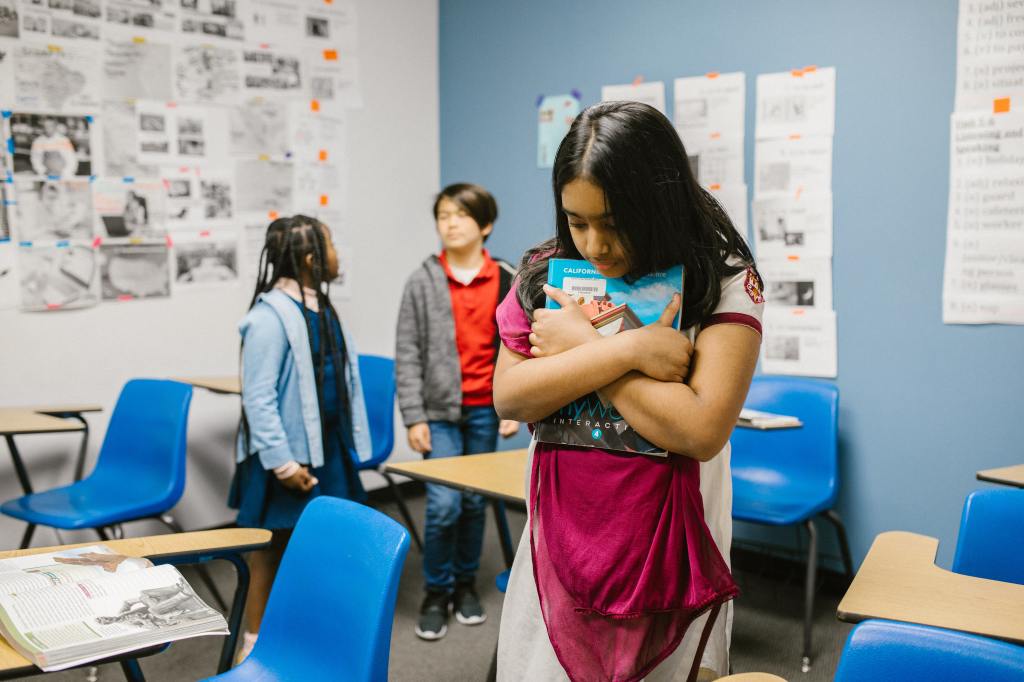
It’s the second day of school, and my stomach is clenched tight, a cold knot of fury radiating from within and extending through my fingers as I type. Within hours of my daughter’s first day of school, her frenemy, AKA her bully, was at her again.
I’d like to say I handled it well. I did not.
You see, this isn’t the first time my daughter has experienced a put-down, slight, or attempt at ostracism from this particular ex-friend. It’s not even the tenth. We’ve gone through two years of dealing with this relational bullying, and the effects on my daughter have been devastating.
Because my daughter is on the autism spectrum and has ADHD, she is more at risk of being a target of mean girls and queen bees. I’d like to say the data on this is incorrect. I can’t. Throughout her short life, my vibrant, unique, intelligent daughter has always been targeted by those kids for many reasons, but perhaps the biggest cause is that she’s different.
My daughter is ASD Level 1, which means you wouldn’t know she’s autistic by looking at her. This invisible difference makes it easy for others to target her for being different without understanding the neurological reasons behind those differences.
And, of course, girls, in particular, are the worst when it comes to cruelty. I experienced mean girl behaviour daily in elementary school, making detachment and objectivity very difficult to find after a lifetime of being targeted myself and observing a lifetime of my daughter being targeted by her tormenters.
Evidence shows over 60% of children and young adults with autism experience bullying. Among them, high schoolers are most likely to be bullied. School-aged children on the autism spectrum who do not need special health care and those from disadvantaged neighbourhoods are also more likely to be bullied than other autistic children.
This article will explore the effects of bullying and relational bullying, particularly for children with autism, through an intimate and personal lens. We’ll cover what bullying and relational bullying are, their effects on children, the emotional challenges parents face alongside their bullied tweens, and how to deal with them.
Together, let’s explore how we can protect children with autism from bullying and help them grow up resilient, confident, and safe.
Source: Pexels
How Do We Define Bullying?
The word “bully” prompts a knee-jerk reaction from parents. After all, no one wants to think their child might be guilty of bullying behaviour. The truth is, many kids are bullies, and many are bullied, and sometimes tweens can fall in between and become both victim and perpetrator.
So, what exactly is bullying, and how do we know we are using the term correctly?
Bullying is defined as aggressive behaviour intended to cause fear, harm, distress, or create an uncomfortable environment for someone. It often involves repeated behaviours and an imbalance of power between the perpetrator and the victim.
This power difference could suggest a difference in age, grade or physical size. Bullying behaviour can take on many forms aside from physical or verbal abuse, such as:
- Excluding or isolating a person
- Spreading rumours or doing things to embarrass someone
- Using technology (texts, emails, social media) to harass someone
- Taking or damaging property
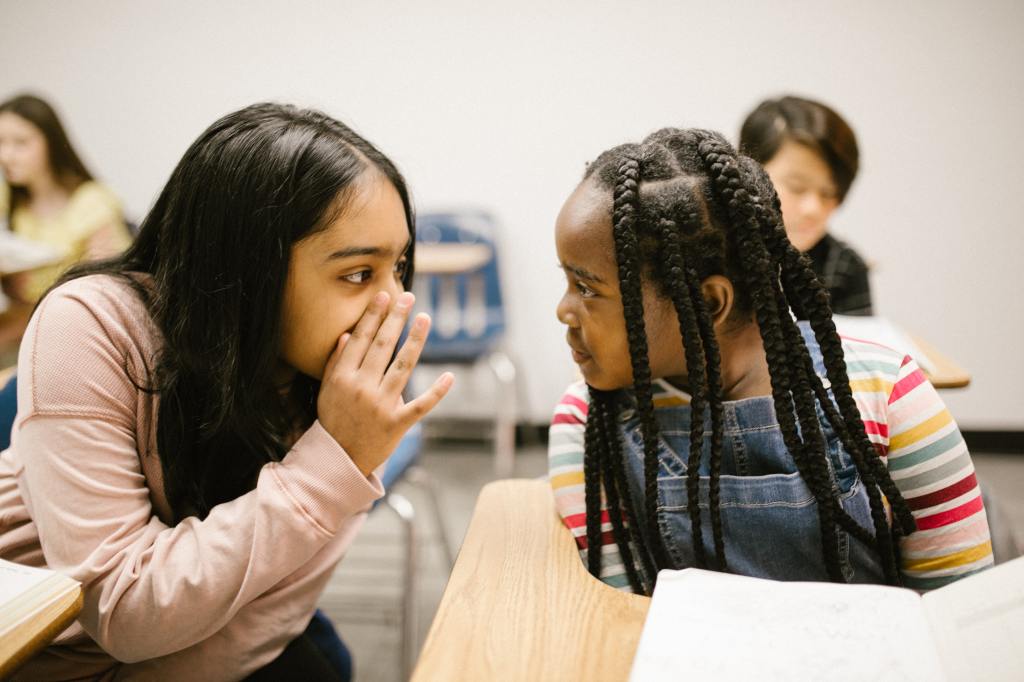
When it comes to girls on the spectrum, they are especially vulnerable to relational bullying or “mean girl” type behaviours due to their difficulty in making friends and their social awkwardness.
This dynamic can put them at risk of becoming the target of gossip and exclusion. Girls with autism may also be more susceptible to humiliation or intentional humiliation due to their sometimes associated language and communication difficulties.
In my daughter’s case, her ex-friend wields her control over her friend group to exclude her and takes every opportunity to dismiss my daughter’s accomplishments, make her feel bad about herself, and stress how no one likes her.
This type of bullying, called relational aggression, seems to be the weapon of choice in “girl world.” (If you grew up in girl world, I know you can relate). Let’s take a closer look.
Defining Relational Aggression
As a child, I was bullied relentlessly in elementary school. I was an easy target. I wasn’t that cute (I grew into my looks later, fortunately); I was a smartypants who used big words and trained as a competitive figure skater.
This meant I missed more school days than I was there for coaching and practice sessions, making it harder for me to fit in or even defend myself on the days I was absent from the rumours created by my nemeses.
Of course, add that I was perceived as a – gasp! – goody-goody who didn’t smoke or kiss boys, and I had the perfect combination of traits that made me stand out.
And not in a good way.
It was common to go to school and have not one person talk to me the entire day upon instructions from our “queen bee.” This included my supposed best friend, who would turn her back when I begged her to speak to me.
Then there were the whispers behind my back, the giggles and jokes made at my expense, and the put-downs. To this day, I struggle with self-esteem issues and setting boundaries.
Unfortunately, this incredibly unfair form of bullying is quite common, especially among girls. Also known as “relational bullying,” it is an insidious type of abuse that differs from traditional bullying and involves more subtle forms of aggression, such as exclusion or spreading rumours.
This harassment is used to damage someone’s relationships or social status and is often more challenging to detect as it is much less overt. It can be devastatingly effective as these relational behaviours can damage people’s self-esteem and leave them feeling isolated in a way that can be harder to overcome than traditional physical bullying.
Children with autism – who may already have difficulty in social situations or picking up on complex social cues – can be especially vulnerable, as they may misread social signals or have a harder time communicating.
Peggy Moss at Empowering Parents lists the following as possible types of relational bullying:
- Intimidation
- Exclusion
- Spreading rumours
- Putting down others in a group setting
- Gossiping about others
- Outcasting
- Humiliating
- Cyberbullying
- Backstabbing
These kinds of behaviours can have serious potential consequences, including depression, anxiety, physical health problems, and increased risk for conduct problems.
At the same time, though, it is crucial to recognize that the effects of relational bullying can be overcome. It is, after all, a form of abuse that can be identified and addressed.
It takes time and hard work, but raising awareness can help young girls know the signs to look out for and how to react to such bullying constructively.
Source: Pexels
Why Are ASD Level 1 Girls So Susceptible to Relational Aggression?
It might help to understand why kids with Level I autism are more at risk than their Level II and III counterparts. First, let’s break down the classification system used by the experts to categorize different levels of ASD diagnoses.
Autism can manifest in various levels; most people fill in somewhere on the continuum. It’s important to understant that these levels are just a general guide and the condition manifests differently in everyone.
Level 1
Sometimes referred to as “high-functioning” or “Asperger Syndrome” (there is much debate about the appropriateness of these terms within autism communities so I felt it important to address), it refers to someone likely to require support for some of the following:
- Difficulty in back-and-forth communication
- Trouble with social cues and body language
- Social anxiety and burnout from long-term masking
- Issues with transitioning between activities
- Challenges in organization and planning
Level II
Requires substantial support and has:
- Difficulty with masking
- Limited ability to change focus or activities
- Engagement in noticeable repetitive behaviour or stimming,
- Struggles with societal norms due to a neurotypical-centric environment
Level III
Needing very substantial support and:
- Is unable to mask
- Experiences a high self-regulation burden
- Has significant difficulty with verbal and non-verbal communication
- Struggles with changes in focus or location
- Engages in noticeable repetitive behaviours
- Is at increased risk for neglect, abuse and discrimination
It’s no surprise that Level I girls are more likely to come into contact with the relational bullying their peers often face because of their wide range of social abilities. They typically don’t have the same social communication and interaction skills as the general population, thus making them more vulnerable to mean-girl treatment.
For instance, my daughter struggles with:
- Reading verbal social cues
- Entirely missing or misinterpreting non-verbal social cues
- Knowing when to enter a conversation
- Taking things literally
- Knowing when someone is not interested in her favourite subject of interest that she wants to share with the world because it’s AWESOME
- Understanding when someone has had enough of a particular conversation and is ready to move on
- The boundaries of personal space and when someone is uncomfortable if she’s in theirs
- Misreading other’s intentions for good or for ill
Because of this, my daughter has been targeted her entire life, and it can be heartbreaking to bear witness to the experience of my child being made to feel lower and lesser than her peers.
It’s made her more withdrawn, less outgoing and less trusting of those around her. But it’s not all hopeless – as I have worked with my daughter, I have noticed that her self-advocacy has improved, and she can stand up for herself when it counts.
It is of utmost importance that girls with autism get the support, love, affection and understanding they need to help them learn to cope with life’s struggles and gain confidence.
With the right environment and guidance, these girls can find their voices and learn to thrive in an often challenging world.
Effects of Relational Bullying on Autistic Girls
It’s difficult to put into words the effects this constant harassment has had on my daughter. Keep in mind, she’s dealt with it her entire. short. life – in every grade, in online school during the pandemic, at her dance studio, and even from instructors who didn’t know any better.
I first saw it manifested in debilitating nightmares and insomnia during the summer between Senior Kindergarten and Grade 1. My daughter would wake up crying and be unable to sleep.
She would have nightmares of herself sitting alone under a tree at school because no one would talk to her. And it’s only gotten worse from there. Imagine that every. day. of. your. life. you have to deal with someone trying to make you feel wrong. defective. less than.
On top of that, you must deal with all the other challenges you face of navigating a neurotypical world in a neuroatypical body and brain. Here’s a list of the harm this type of bullying can cause:
- Depression
- Anxiety
- Insomnia
- Low self-worth
- Headaches
- Nausea
- Stomach aches
- School avoidance
- Fear of social situations
- The urge to self-harm
- Eating disorders
- Trouble concentrating
- Stress-related sicknesses
These are the lasting effects of relational bullying that can affect an autistic girl. It’s insidious, and it’s as real as anything can get. It can set in motion a lifetime of negative consequences and can take away the joyousness of childhood.
This is why it’s so important we start having honest conversations about bullying and its effects in our schools – especially regarding autistic girls. We need to create safe learning environments that are aware of these dynamics and how to prevent them in the first place.
We need more education and understanding of autism, both within the schools and the larger community. We need to make sure our children know there is always hope. That there is another way. No matter what they face today, tomorrow is a new dawn.
Source: Pexels
The Blind Spots: Why Teachers and Coaches Often Miss the Signs
If you think spotting relational aggression is like searching for a needle in a haystack for us parents, imagine what it’s like for teachers and coaches who have multiple kids to manage.
The Resource Crunch
Let’s start with the most obvious yet understated problem: resources. Teachers and coaches are often stretched thin, juggling between academic responsibilities, extracurricular activities, and yes, maintaining a semblance of order among the kids.
Too Few Eyes, Too Many Kids: There’s only so much ground a teacher can cover. The schoolyard, during recess or after school, often becomes a ‘safe’ space for bullies, knowing there’s less adult supervision.
Lack of Specialized Training: Recognizing relational aggression requires specialized training that most educators haven’t received.
The Discord Between Peers and Teachers
There’s a serious disconnect between how teachers and peers view relational aggression. This disparity is especially troubling.
Academic Bias: Teachers often base their judgments on academic performance and classroom behavior. A student excelling in these areas may not raise any red flags, even though they could be a principal antagonist on the playground.
Popularity Paradox: Female students who are popular and overtly aggressive are more likely to be flagged by both teachers and peers. But what about those who operate covertly, hiding their malicious behavior under a guise of charm and friendliness?
The Silent Victims
Much like my daughter, many victims don’t want to ‘tattle.’ They internalize their pain, trying to handle the situation themselves, which often leads to further anxiety and emotional distress.
Fear of Retaliation: The fear of being labeled or facing worse aggression from the bully often keeps victims silent.
Low Self-reporting: This silence means that there are likely many more victims than what the statistics show, making the problem much bigger than it appears.
There’s no simple fix, but understanding why it’s so hard to spot and stop relational aggression is a crucial first step. Only then can we begin to think about meaningful interventions. And trust me, this is a fight worth taking on, not just for our kids, but for everyone’s.
The Emotional Rollercoaster: A Parent’s Journey Through Relational Aggression
I hear you. Honestly, I do. The emotional turmoil that comes with knowing your child is a target of relational aggression isn’t something you can just set aside. It follows you, creeping into the moments that should be free of worry, settling into a pit in your stomach that you can’t seem to shake. This isn’t just a story about kids on a playground; it’s about us parents, too.
The Tug of War: Protectiveness vs. Independence
For any parent, our child’s well-being is paramount. We want nothing more than to send our kids to a safe space where they can grow and thrive. But when that safe space turns hostile, the inner battle begins.
Over-Protection: You’re tempted to wrap them in a protective bubble. And why shouldn’t you? When your child is on the autism spectrum,the world already feels like a battlefield.
Fostering Independence: But you also know you can’t be there to shield them forever. Especially for autistic children, learning independence is critical.
The Emotional Cycle: A Journey Through Many Stages
Stage 1: Empathy and Kindness
It starts with preaching kindness, believing that empathy will prevail. You think, maybe if we understand the bully’s side, we can defuse the situation. You tell your child to be brave but kind, to stand up without sinking to their level.
Stage 2: Accountability
You work tirelessly with your child to help them navigate the social intricacies they naturally find challenging. Mindfulness techniques, social skills classes, breathing exercises, role-playing — you try it all. You do everything you can to equip your child to be the best version of themselves. (and it doesn’t escape your attention that others don’t seem to bother to do this much work with their kids, which frankly, builds resentment.)
Stage 3: Diplomacy
Next, you approach the other parent. You craft your words carefully, advocating for a collective effort to sort out the ‘social difficulties.’ Sometimes it works, and sometimes it explodes in your face, like my unfortunate social media encounter, which I still struggle to forgive myself for. Remember folks, never comment in anger, it never goes well.
Stage 4: Loss of Empathy
Finally, after years of frustration and roadblocks, you find that your reservoir of empathy has run dry. You’ve spent your life empowering kids, and now you’re at a point where negative feelings overshadow any goodwill you had left. And you blame yourself for it.
Emotional Toll: The Unseen Cost
Mental Health: Anxiety, sleepless nights, constant worry – it takes a toll on your mental well-being.
Strained Relationships: Sometimes, it even strains your relationship with your child as you both try to navigate the labyrinth of emotions.
Professional Life: I’d be lying if I said it hasn’t affected my ability to focus on my work, even though every dollar I earn is to ensure a better future for my tiny family.
The Way Forward: Is There One?
Honestly, I wish I had an easy answer, a one-size-fits-all solution. But what I do have is this community, right here, where we share, vent, find support, and pick up the pieces so we can face another day. Because, for our kids, we’ll walk through fire. But we don’t have to do it alone.
We’ve faced hurdles before; we’ll face this one, too. We’ll find a way to protect our children without smothering them, to build their independence without leaving them vulnerable. And hopefully, along the way, we’ll inspire others to stand up, take notice, and make changes that benefit not just our children, but every child who’s grappling with the tough social landscapes of childhood and adolescence.
Stay Connected, Share the Love
If you’ve found this blog post resonating with you, hit that ‘Like’ button and please do ‘Subscribe’ to stay updated on our journey and other important topics. Your support keeps this community thriving and is a beacon for others navigating the same challenges.
Also, I invite you to check out BellaZinga, an online print-on-demand store inspired by my daughter’s one-liners and special interests that serves as a platform for inclusion, education, awareness, and acceptance. Your support goes a long way in empowering us to make the world a more accepting place for our children.
If you do buy something, make sure to put our printable “Things Your Neurodivergent Friends Might Do” and my eBook “Friends Beyond Differences: Embracing Neurodiversity” in your cart.
The promotion is good until the end of September!
These are great resources for educating neurotypical kids about their friends with invisible disabilities like autism and ADHD.
Once you do, make sure to enter the discount code “SPREADTHEWORD” to get those resources absolutely free!Thank you for being part of this incredible community. Together, we can turn our struggles into strength and pave a path for a future where every child feels safe, loved, and included.
So, share this post, spread the word, and let’s create a ripple effect of change. Because in this challenging journey, the more allies we have, the stronger we are.
If you or someone you know is the victim of bullying you can reach out to Bullying Canada at (877) 352 4497. Call or text anytime and their team of caring volunteers will help you. You don’t need to go through this alone.
-

Pathological Demand Avoidance and Autism: A Quick Primer
(Note: Chat GPT Assisted)
“Autism”, “ASD”, and “PDA”. These aren’t just random abbreviations – they’re essential keys to understanding the vast, colourful world of neurodiversity. Dive into this guide and let’s decode the mystery behind PDA, all while keeping a sense of humour about it.
Source: Pexels
What the Heck is PDA (What, You Mean it’s Not a Public Display of Affection)?
Let’s get our bearings straight:
- PDA stands for pathological demand avoidance.
- It’s a subtype of autism spectrum disorder (ASD).
- PDA involves an extreme avoidance of everyday demands, often driven by high levels of anxiety.
- A quick history tidbit: PDA was first identified in the 1980s by child psychologist Elizabeth Newson. (Yep, while you were busy rocking those leg warmers and mullets, science was making strides!)
“Does My Kiddo Have PDA?” – Behaviours to Watch Out For
Now, no two children are alike, and no, I don’t mean like snowflakes. More like, um, ice cream flavors? But here are some general signs:
- Resistance to Ordinary Demands: Ever felt like you’re negotiating with a mini-diplomat just to get shoes on for school? This isn’t your typical child stalling. It’s an intrinsic need to resist routine tasks that most of us find mundane.
- Comfort in Role Play: They might often take on roles or personas and communicate through them. Sherlock today, Spider-Man tomorrow! It’s not just play; it’s a coping mechanism.
- Social Mimicry: They can often imitate others to mask their difficulties. This isn’t about being the ‘class clown’. It’s a way for them to fit in, making it sometimes hard to pinpoint. Crafty little beings, aren’t they?
- High Levels of Anxiety: Their anxiety levels are more profound than the dread you feel when you accidentally like a picture from 2012 while stalking someone on social media. This can manifest in various ways:
- School Avoidance: It goes beyond the occasional “I don’t wanna go!” It’s a deep-rooted fear or reluctance that makes school mornings seem like a scene out of an action movie – and for some chilldren, like mine, a horror movie.
- Aggression When Anxious: Not just a temper tantrum. When they’re pushed to their limit, their fight-or-flight response might lean heavily on the ‘fight’. This could look like punching walls, throwing things, taking scissors to walls, pushing you, or screaming insults at caregivers.
- Panic Attacks: Heart-wrenching to watch, these sudden bouts of intense fear can immobilize them. It’s not “attention-seeking” but a genuine overwhelming feeling they can’t control.
- Self-Harm: Children with PDA often use self-harm, often as a grounding technique to take their mind off their tumultuous feelings of anxiety in their body. This could look like hitting their head with their hands, slapping themselves in the face, or beating their head agains a wall. It’s scary to watch, and can be deeply unsettling for both parent and child.
Diagnosis: When Should You Seek Professional Insight?
Your intuition as a parent is uncanny. If you’re feeling something’s up, trust your gut, and:
- Consult a Specialist: This usually starts with a pediatrician or a child psychologist.Don’t take “no” for an answer. Unfortunately, there are many medical professionals who don’t believe in PDA, and many who are just not familiar with it. This is where you need to do your own research mama, and go with spreadsheets and data in tow!
- Undergo Assessment: This can include observations, interviews, and specific PDA-focused questionnaires.
- Receive a Diagnosis: Now that you have a better understanding of your child’s challenges, it’s time to search for supports that fits their needs (and yours.) You’ll also need to arm yourself with information so you can adovcate with schools, coaches, and any other environments your child may need special accommodations in.
Remember, it’s not about labelling but understanding and supporting your child through this journey.
Treating PDA: No One-Size-Fits-All Here!
Treatment is as unique as your child’s fingerprint or your secret cookie stash (oops, did I just spill the beans?):
- Individual Therapy: Tailored strategies to cope with demands and anxiety.
- Family Counseling: Because, let’s face it, we all need a bit of group therapy after those family board game nights.
- Educational Support: Tweaking their learning environment to suit their needs, minus the unnecessary pressure.
Tips for Navigating the Rollercoaster of PDA at Home
Welcome to the ‘PDA Theme Park’. Hold onto Your Hats!
Navigating the zigzaggy roller coaster that is PDA can be, well, quite the wild ride. But fear not! With a sprinkle of patience, a dash of creativity, and the following strategies, you can ensure the ride is smoother for both you and your young adventurer:
- Pick Your Battles: Does it matter if they wear PJs to the supermarket? Hey, some celebrities have worn meat dresses to award shows, so PJs sound pretty haute couture to me!
- Use Indirect Requests: Instead of the direct “Brush your teeth,” try a bit of playful challenge like, “Hmm, I wonder who can make their teeth shine the brightest?” Engage their imagination!
- Establish Safe Spaces: Picture this – a cozy nook with fluffy pillows, their favorite book, and maybe a soft light. Everyone, especially our PDA champions, needs a sanctuary to retreat to when the world gets a tad too overwhelming.
- Humor is Your Friend: When in doubt, laugh it out! Remember that time you tried to wear two different shoes to work? Yeah, life can be absurd. Sharing a hearty laugh can diffuse tension in a jiffy.
- Negotiate Like a Pro: It’s not about manipulation; it’s a two-way street. Maybe it’s a compromise, or perhaps it’s letting them feel they have a say. “10 more minutes of play, and then we tackle homework. Deal?”
- Keep it Low-Key: Sometimes, the fanfare and fuss can be overwhelming. Approaching situations calmly and without a ton of drama can often lead to more successful outcomes.
- Collaborate with Your Child: Make them part of the solution. “Okay, so we need to do X. How do you think we should get it done?”
- Find Their Motivation: Is there a toy, a story, or maybe a treat they love? Use it as a carrot (or maybe a cookie?). “Once we’ve tidied up, how about we read that new comic together?”
These tips may not look like ordinary parenting, but your child is extraordinary, so these special tips will help them (and you) get stuff done with less head-butting and more hugs.
Wrapping Up: From PDA to BellaZinga!
Speaking of understanding and celebrating neurodiversity, have you heard of BellaZinga? Inspired by a brilliant girl named Bella who dazzles on the autism spectrum, our online store uses printable merch and educational materials to promote the inclusion, acceptance, and celebration of the true spirit of neurodiversity. Need a touch of inspiration or just a sprinkle of awareness in your life? Swing by BellaZinga and let some neurodivergent light shine on you!
P.S. While you’re there, maybe grab a little something. Who says advocacy can’t be stylish? 😉🌟
 BellaZinga.Blog